The Collection
Every piece, named to its source.
Every piece below is a faithful, museum-grade reproduction of a public-domain masterwork, printed on EMA matte art paper and named to its source institution. Or shop the curated sets.
The Herbarium
Redouté, Merian, and the Temple of Flora — flowers drawn to be believed.
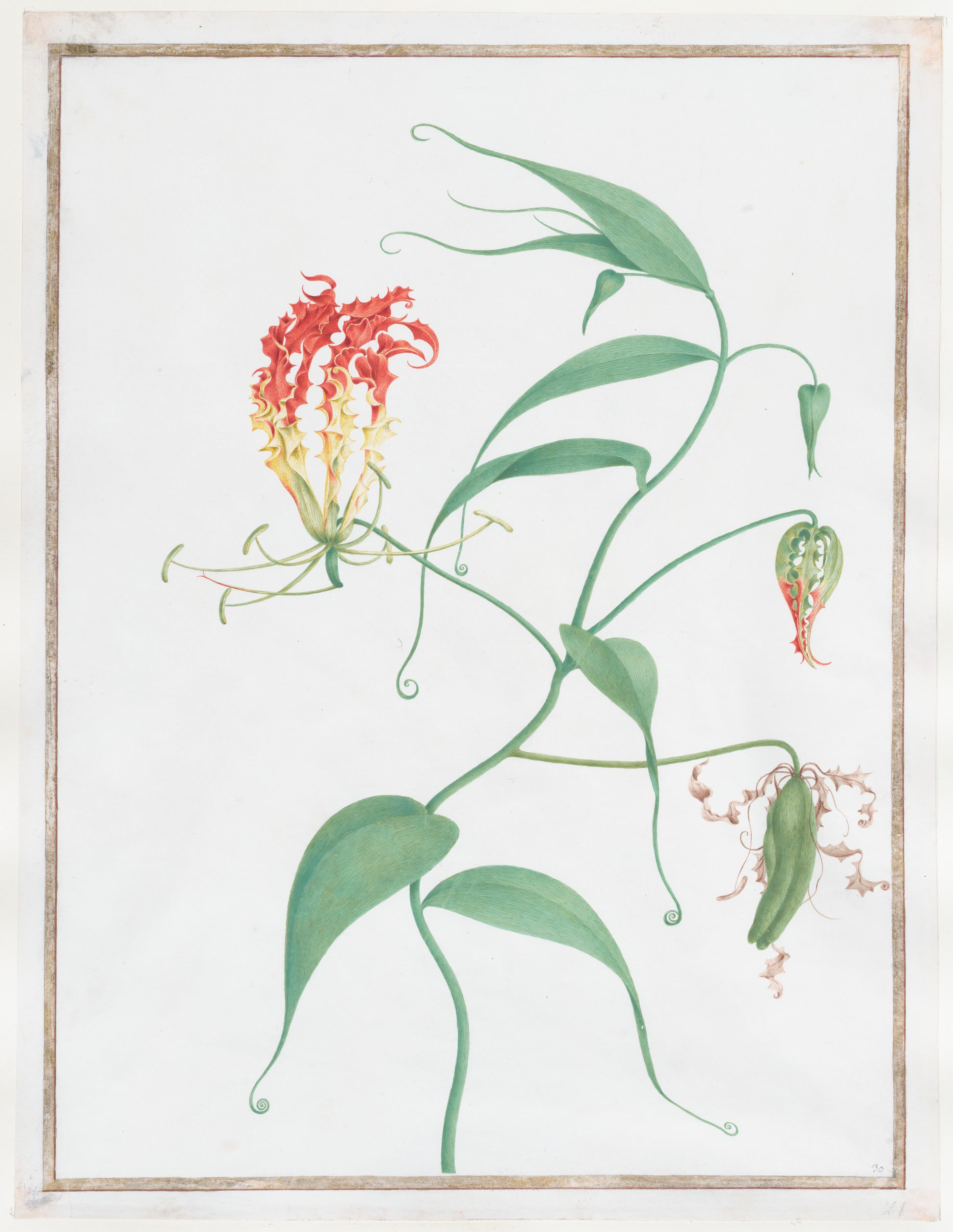
Gloriosa Superba
The climbing lily, in the hand of the man who painted for empresses.
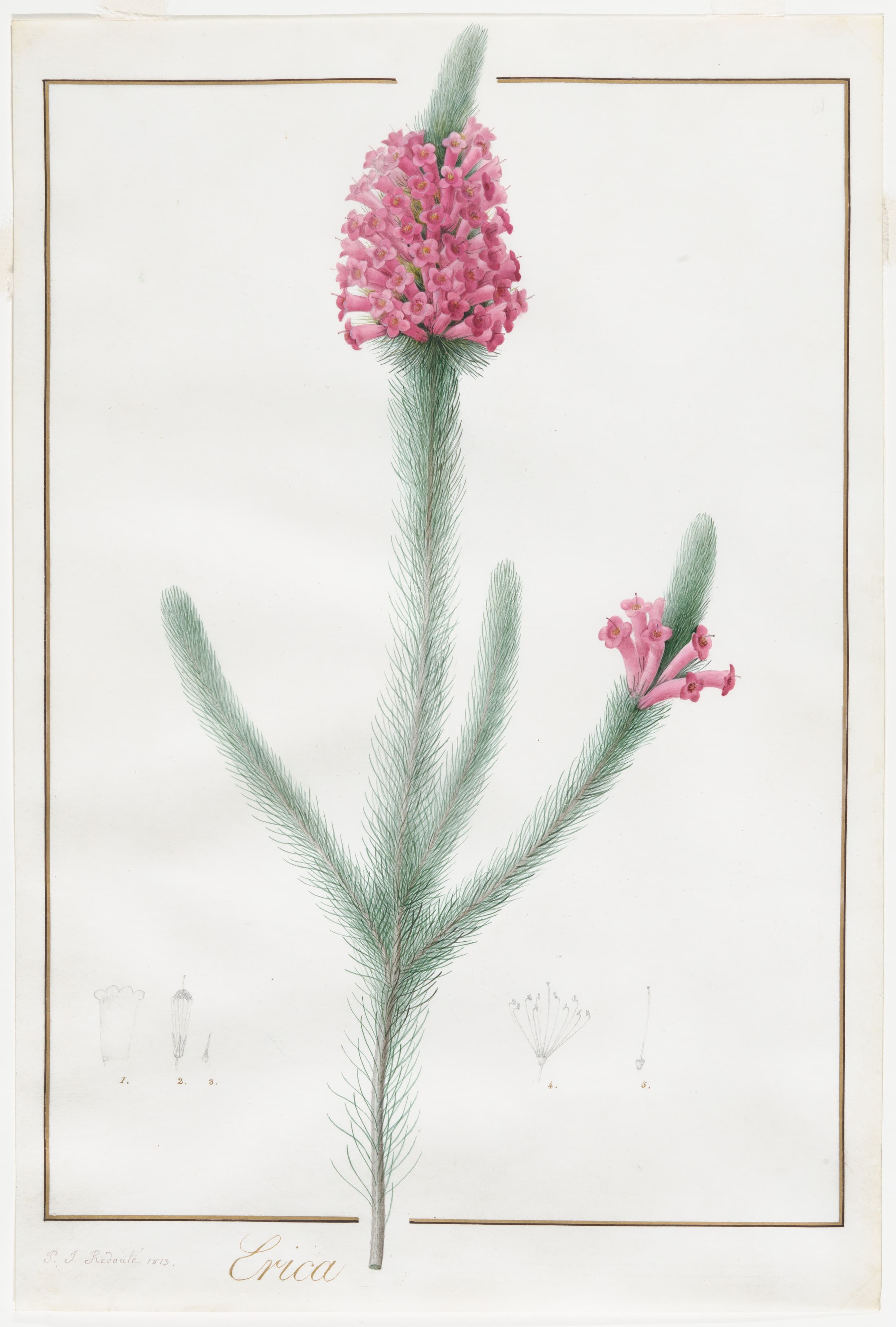
Erica Fulgida
A single heath blossom, painted with an empress’s patience.
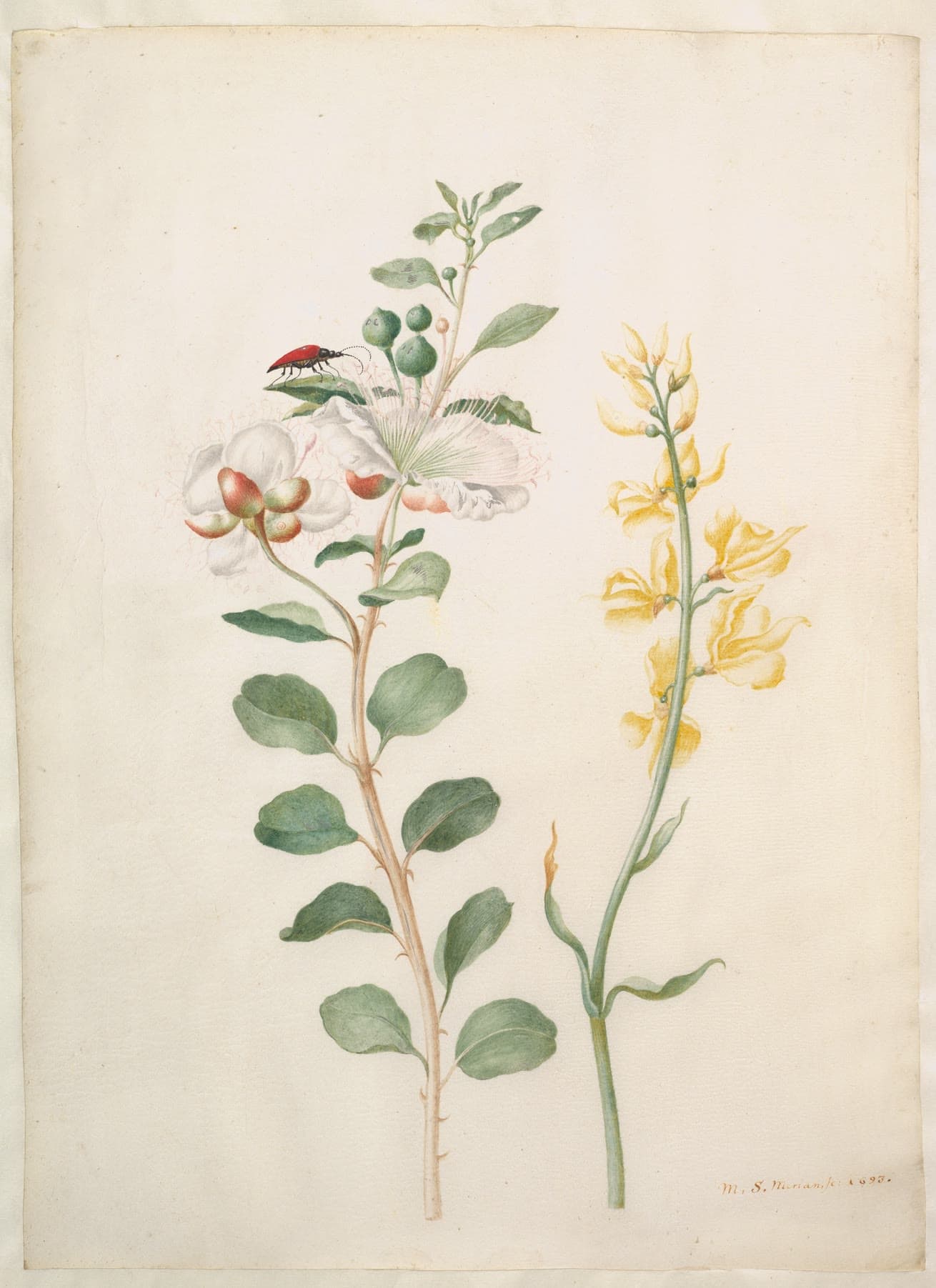
Study of Capers, Gorse, and a Beetle
Plant and insect, observed together, a century before Linnaeus.
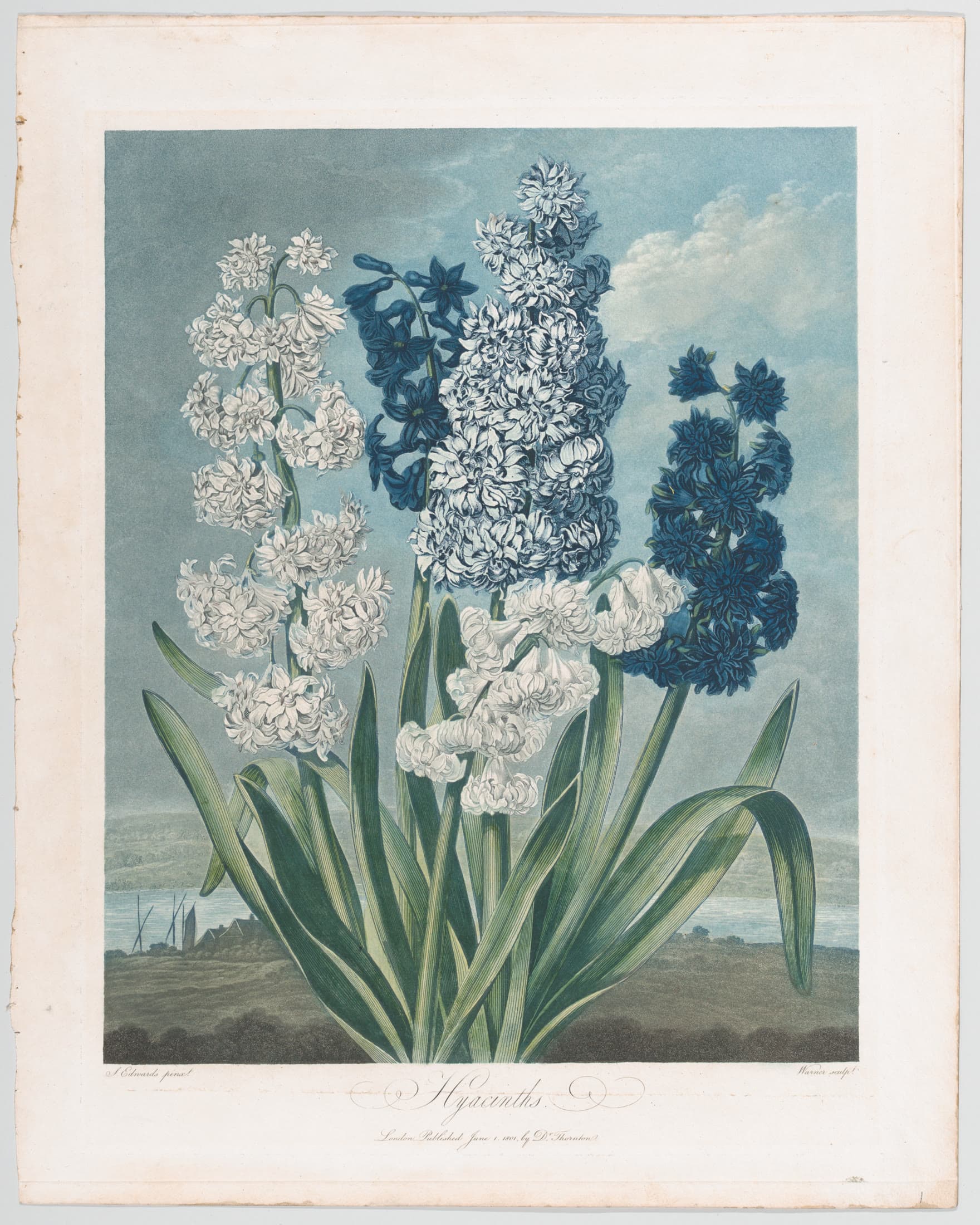
Hyacinths
From The Temple of Flora — flowers staged like Romantic landscape painting.
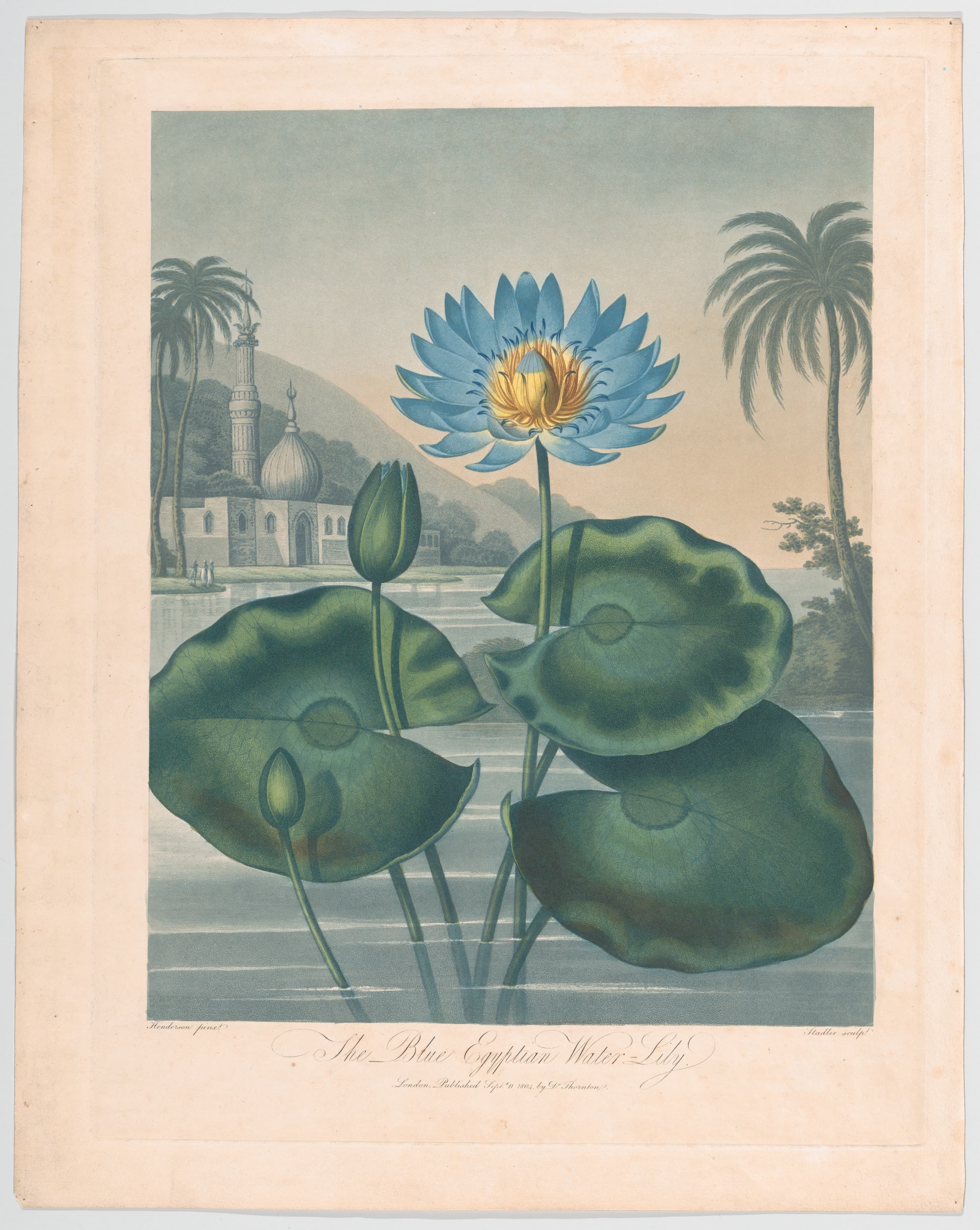
The Blue Egyptian Water Lily
From The Temple of Flora — a lotus staged like a landscape painting.
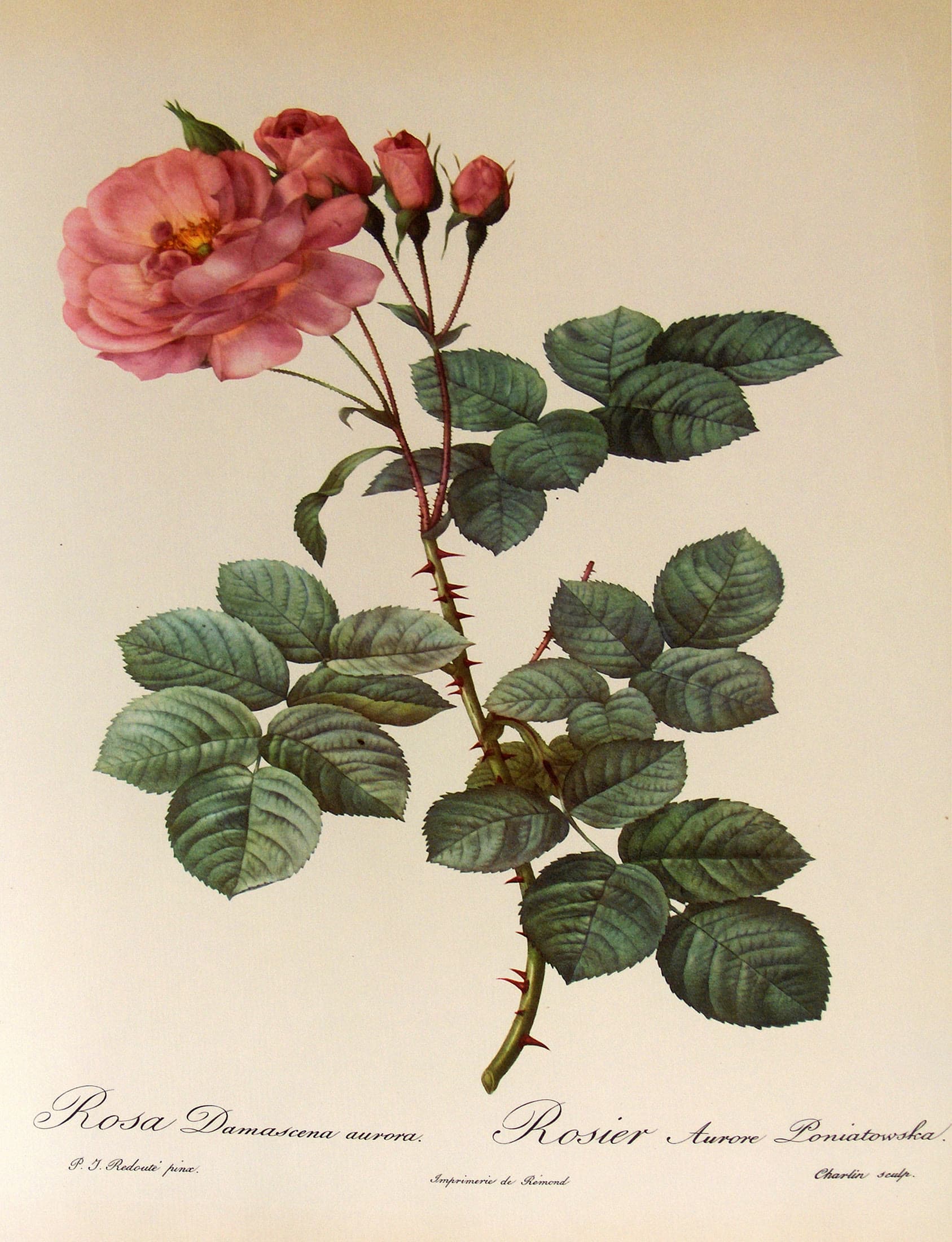
Rosa Damascena Aurora
A damask rose from Redouté's Les Roses — the flower that outlived an empire.
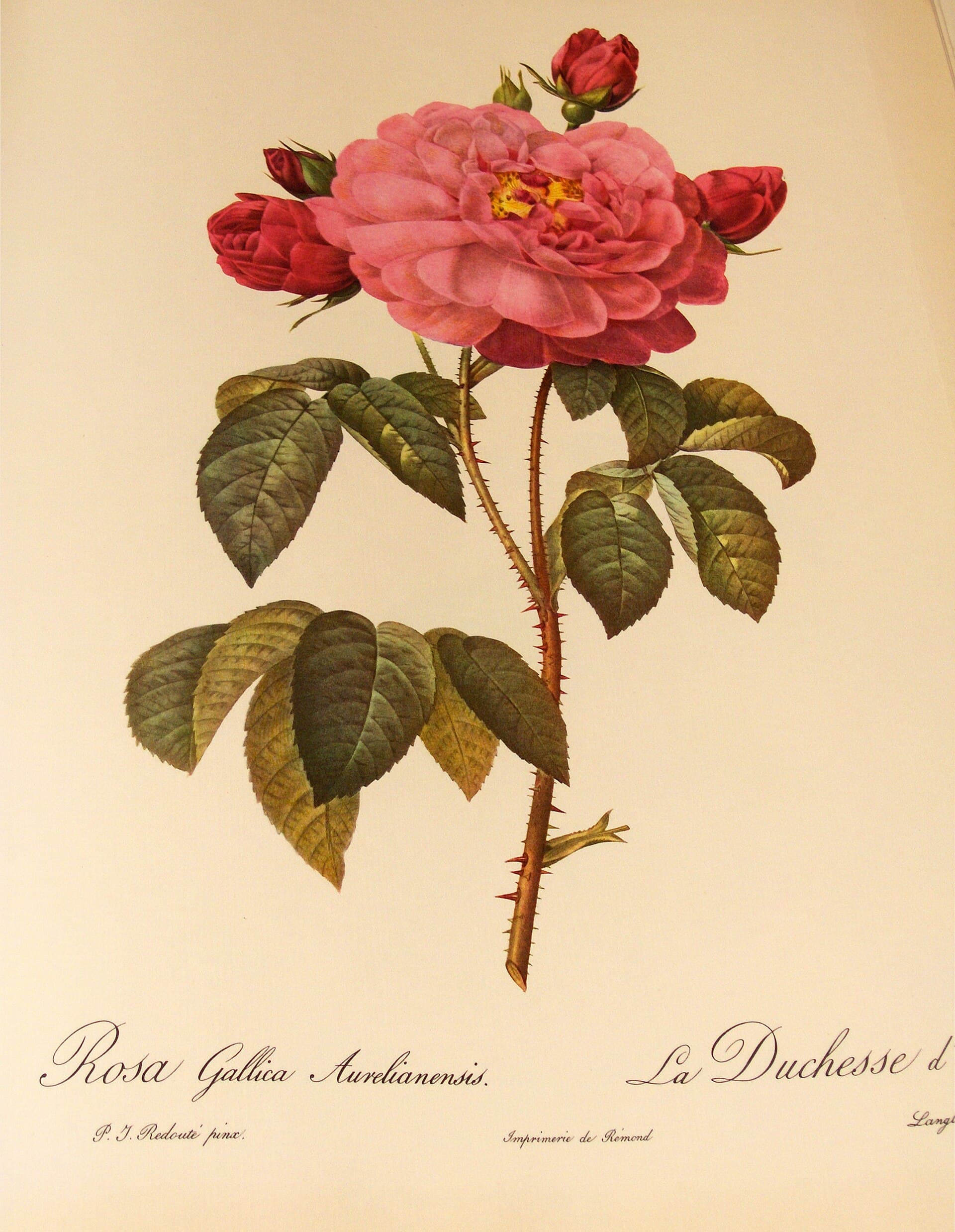
Rosa Gallica Aurelianensis
A French rose from Redouté's Les Roses, the definitive rose portrait book.
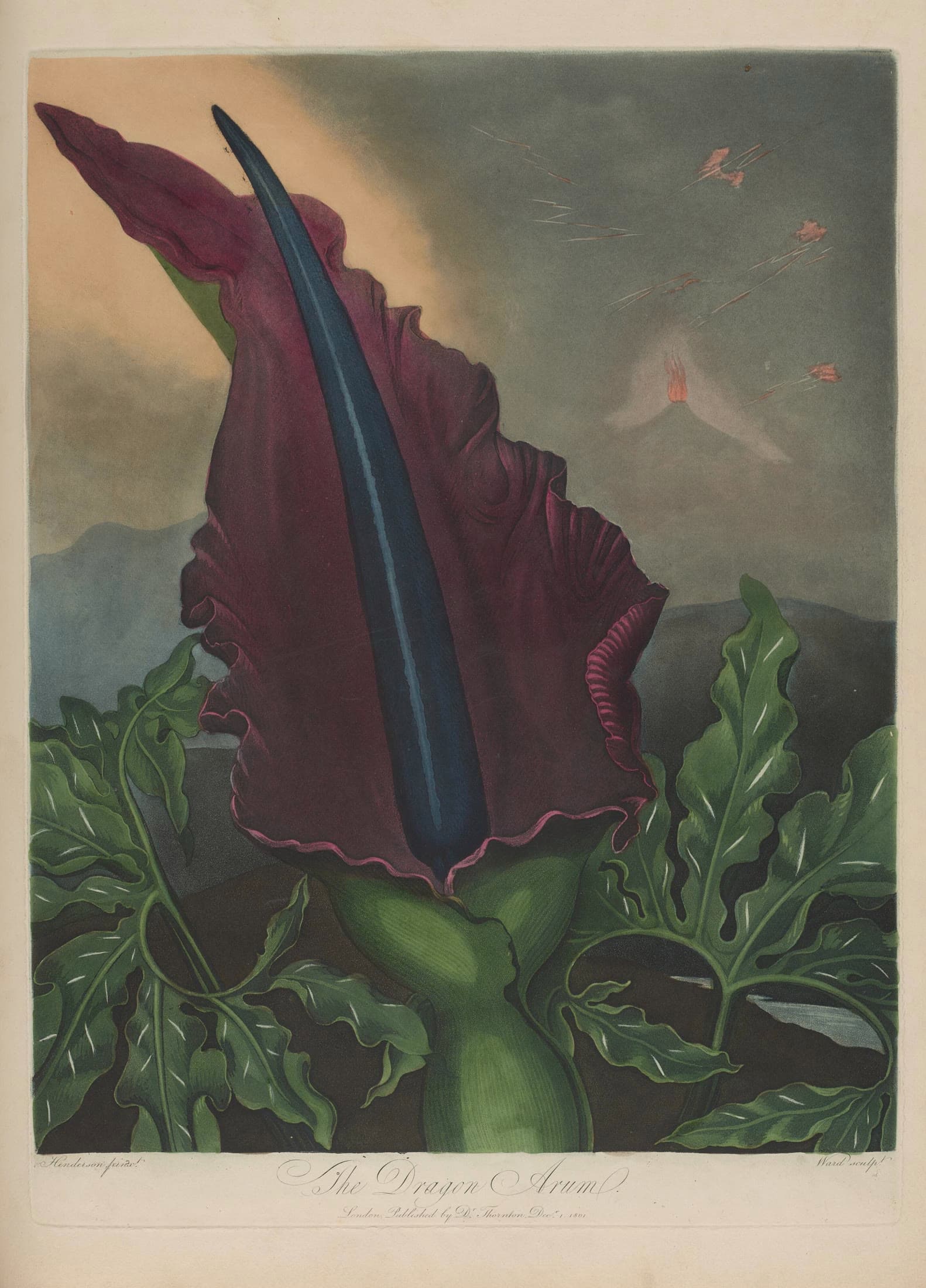
The Dragon Arum
From The Temple of Flora — the strangest, most theatrical plate Thornton ever staged.
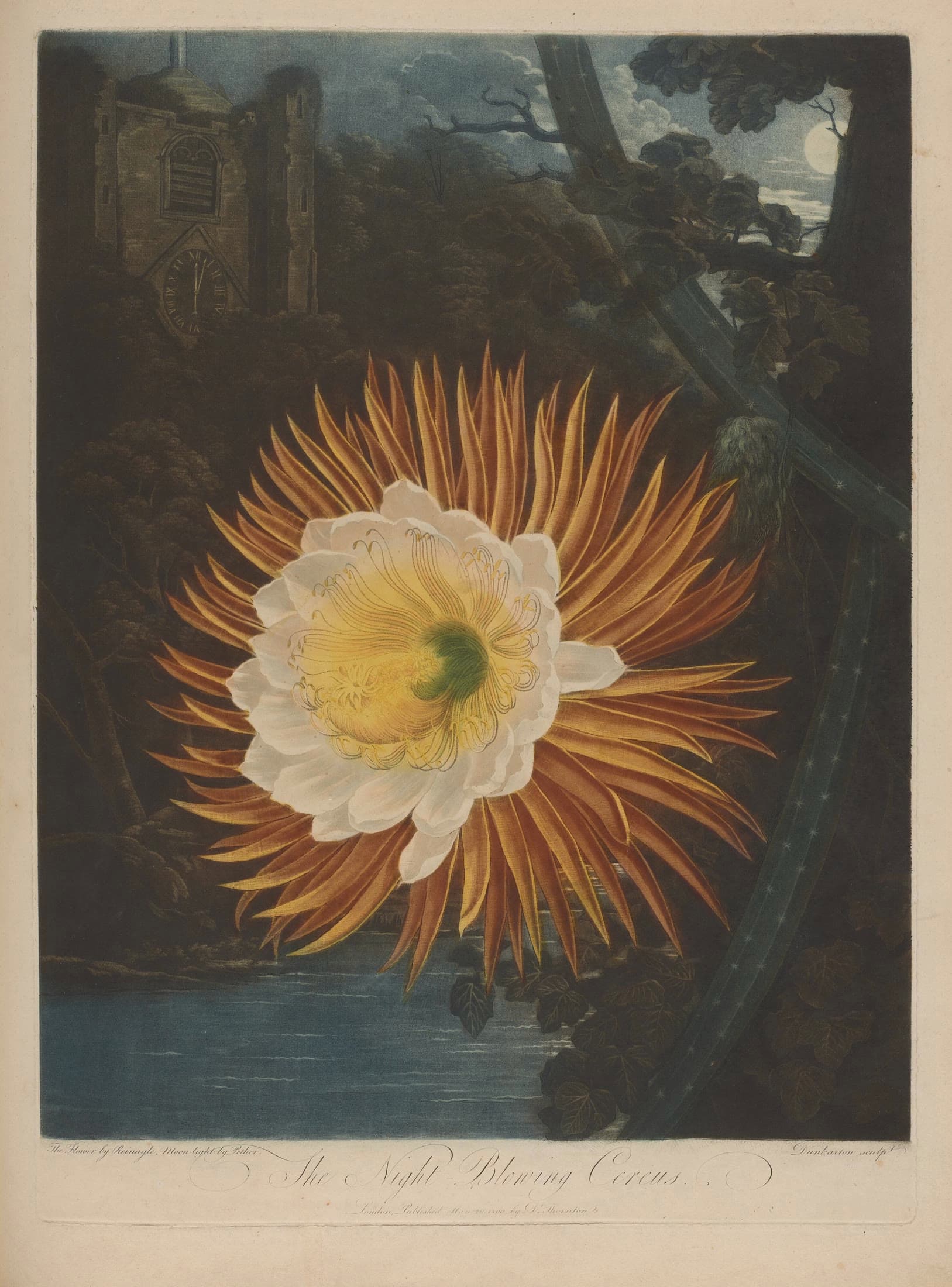
The Night-Blowing Cereus
From The Temple of Flora — a flower that opens once, after dark, and is gone by morning.
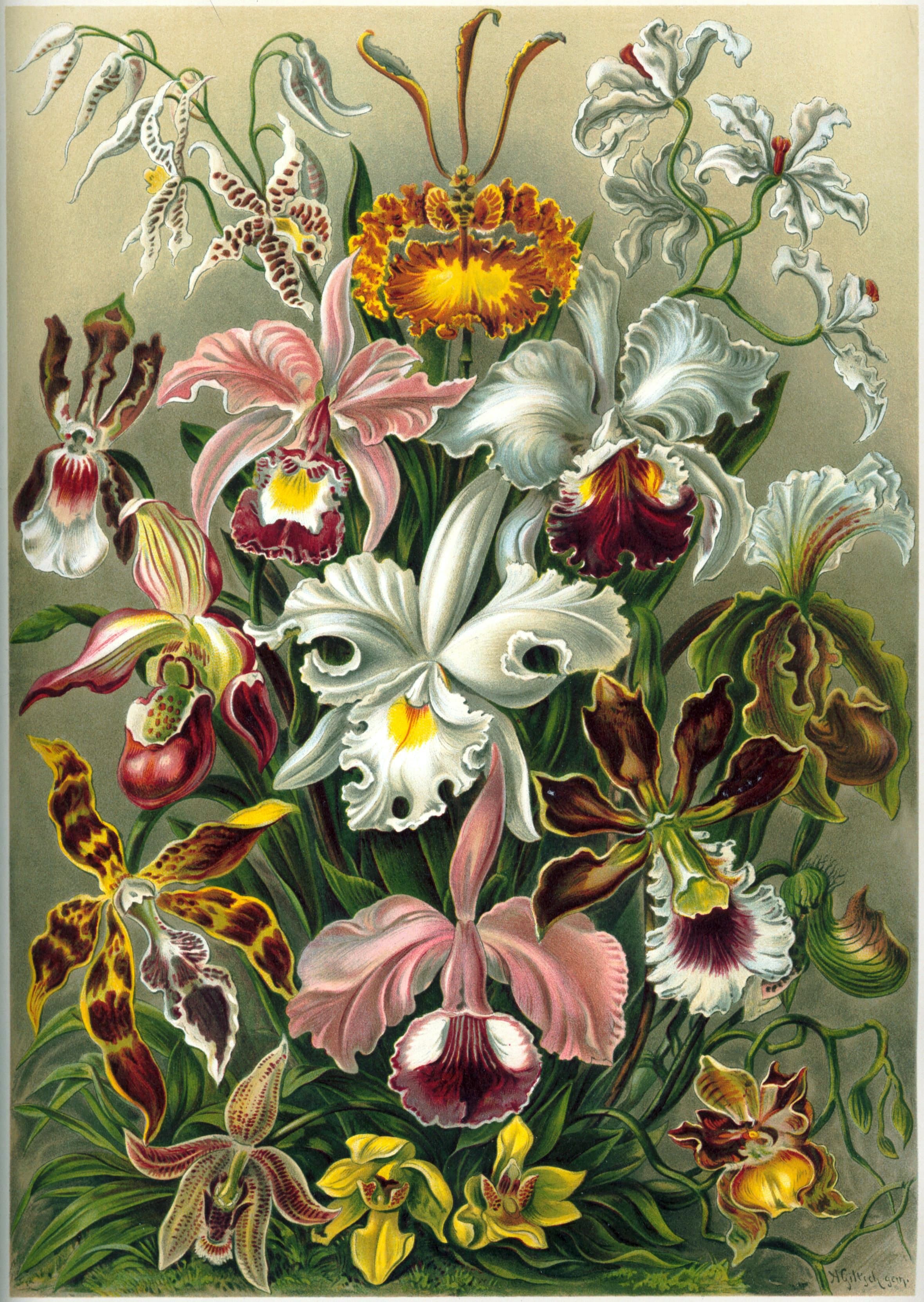
Orchidae
From Haeckel's Kunstformen der Natur — orchids drawn as living geometry.
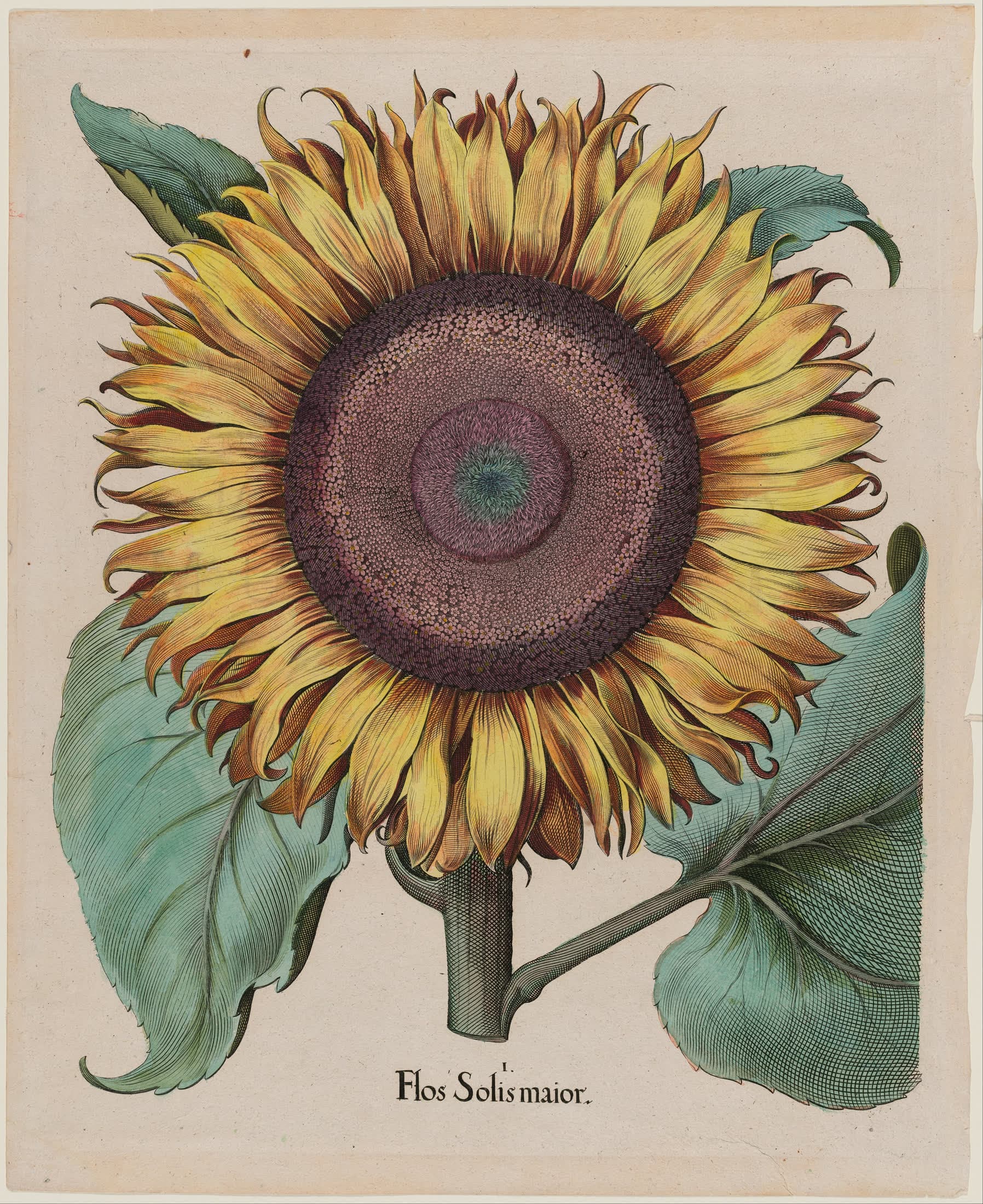
The Large Sunflower
A New World import, drawn life-size for a prince-bishop’s garden catalog.
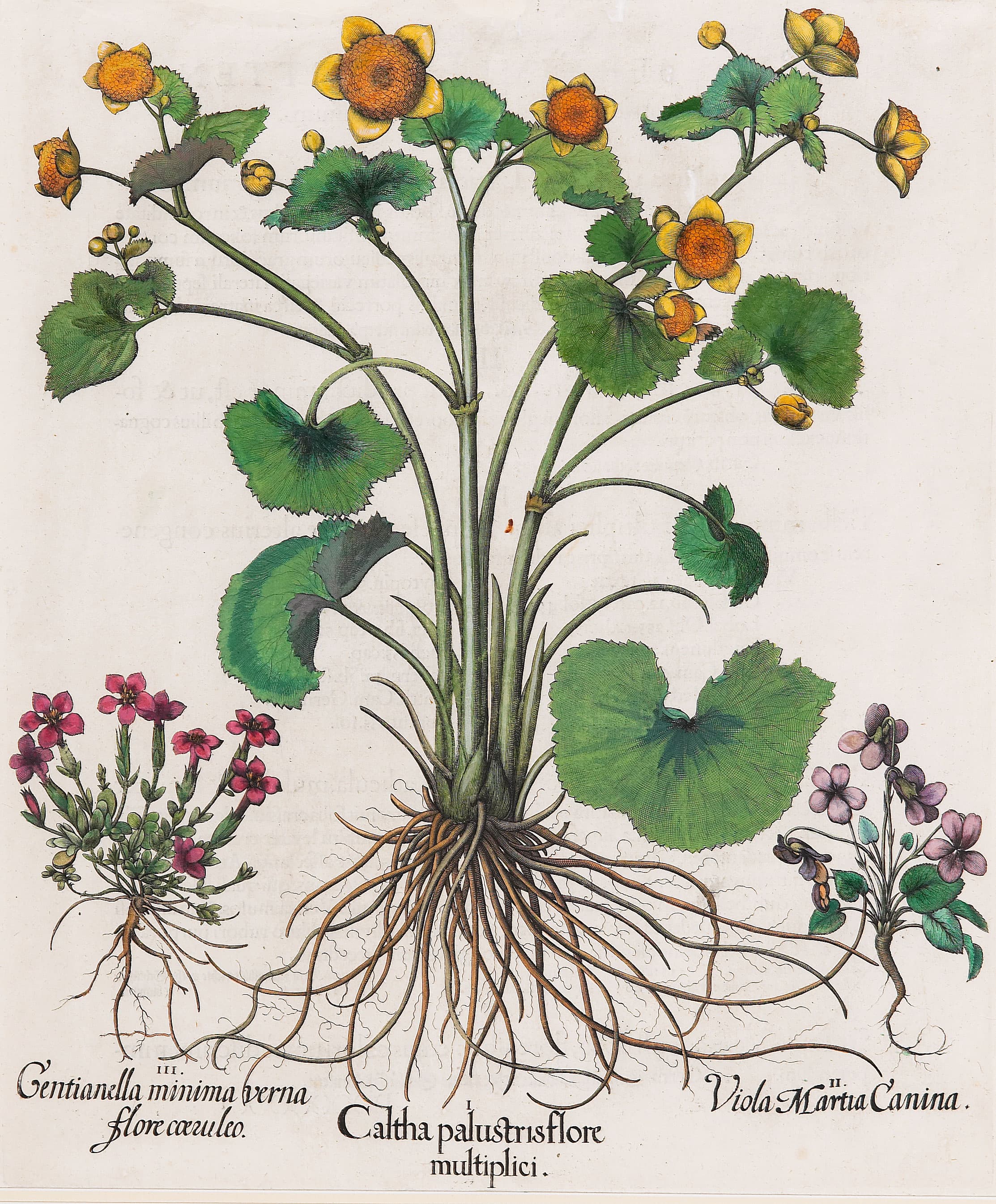
Marsh Marigold, with Companions
Three spring bloomers from the same page of a prince-bishop’s garden book.
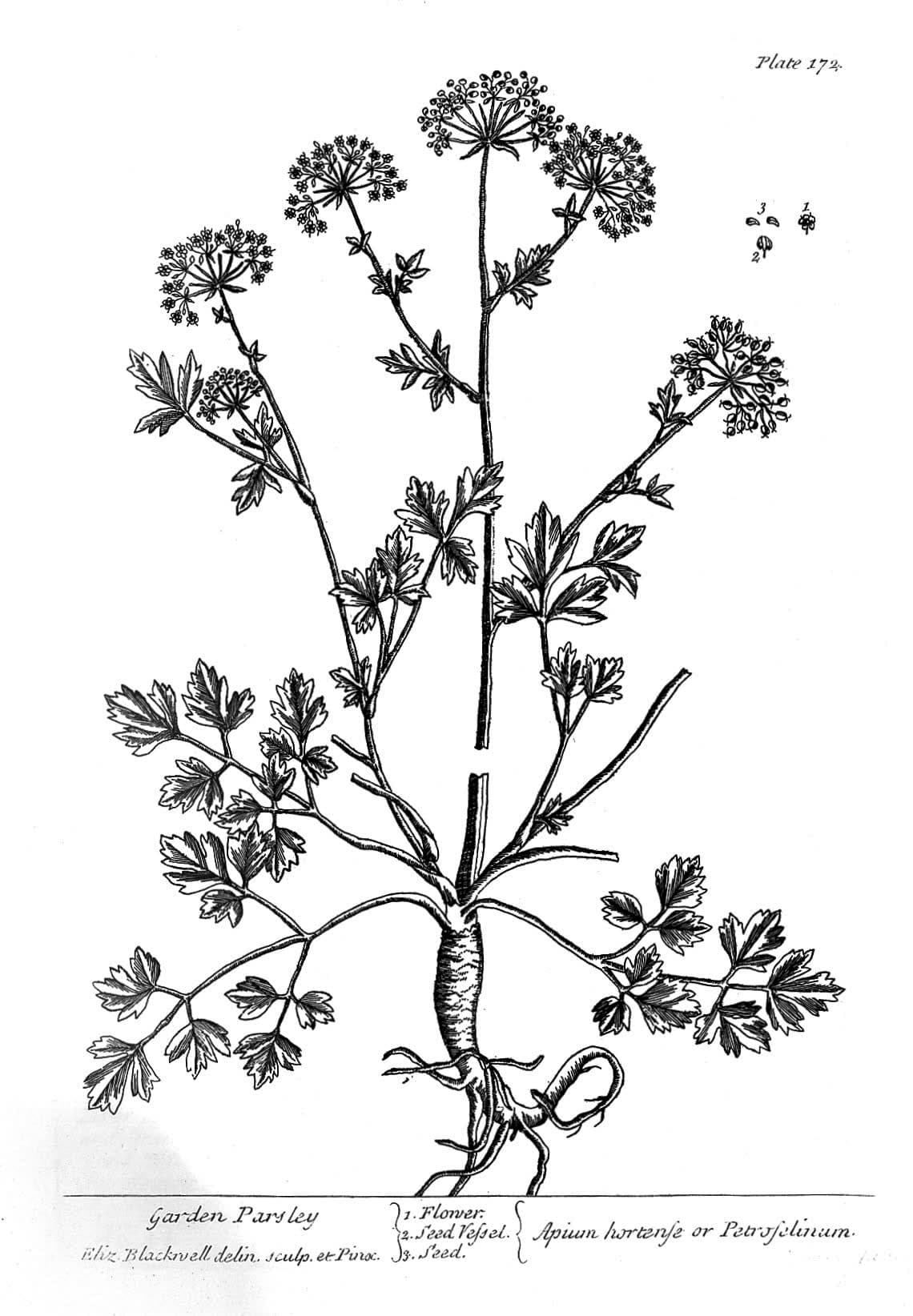
Garden Parsley
A prison-break, drawn one plant at a time.
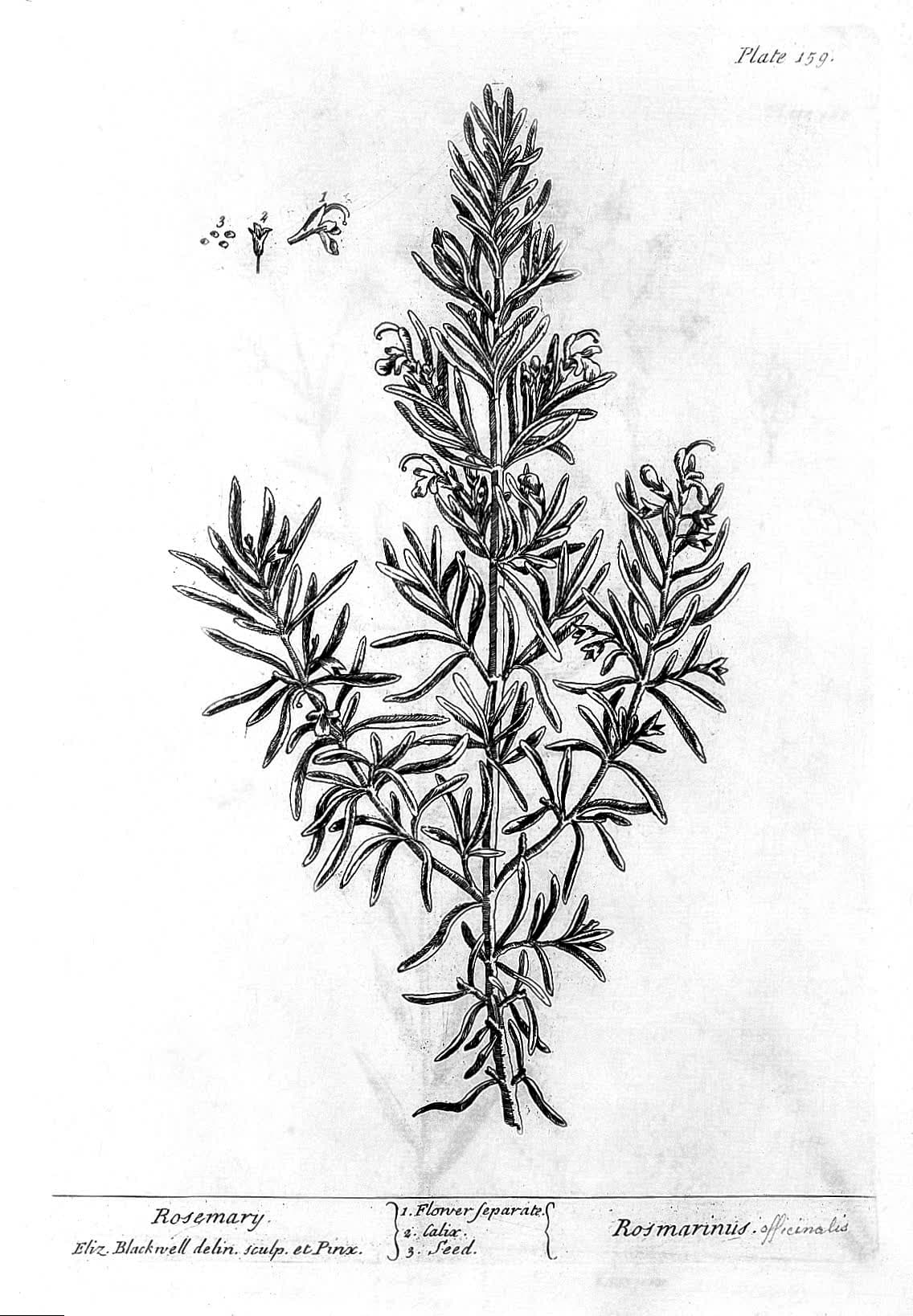
Rosemary
A working apothecary’s reference, drawn by the woman who financed her husband’s freedom with it.
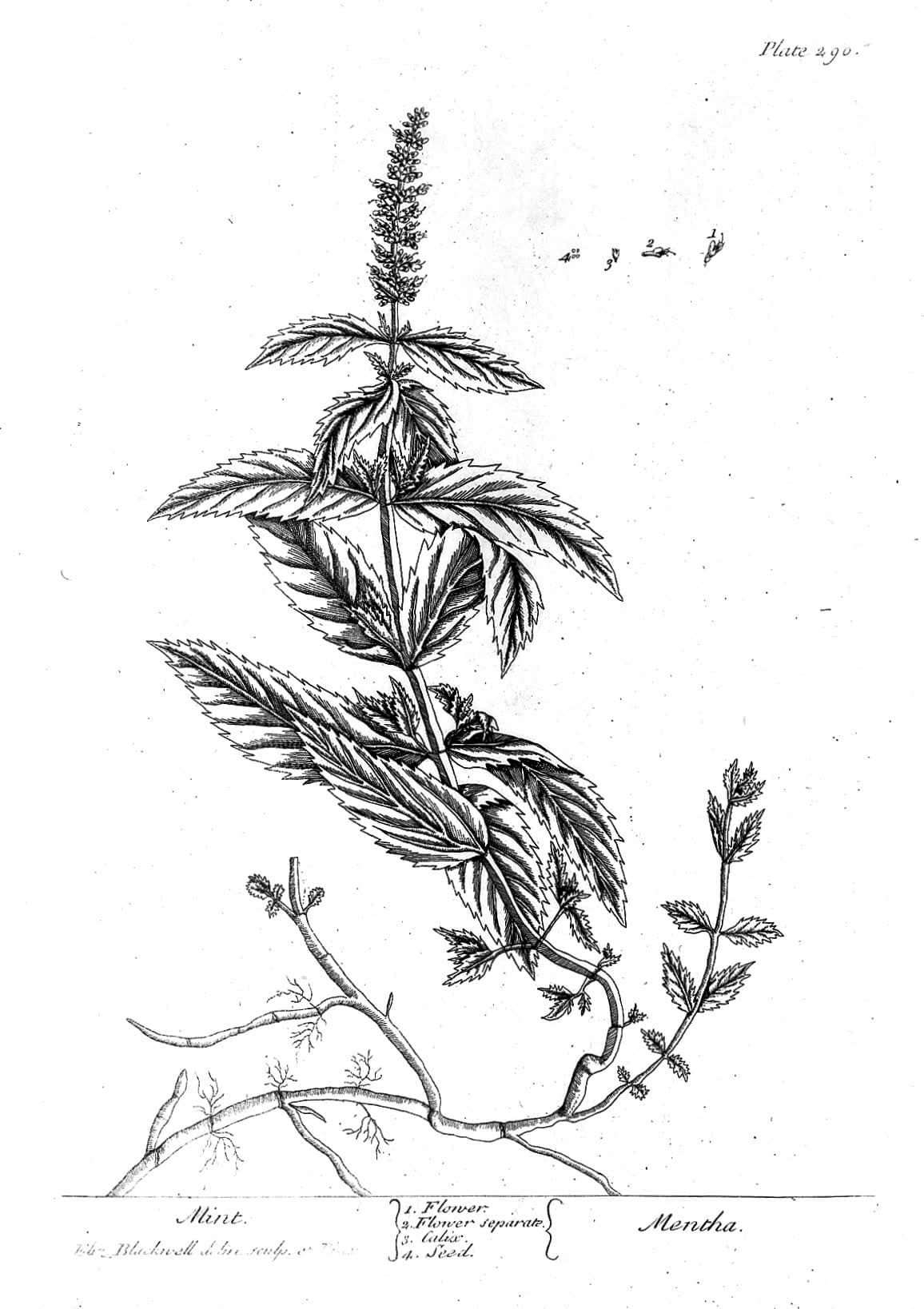
Mint
The third herb from a book drawn to buy a man out of debtors’ prison.
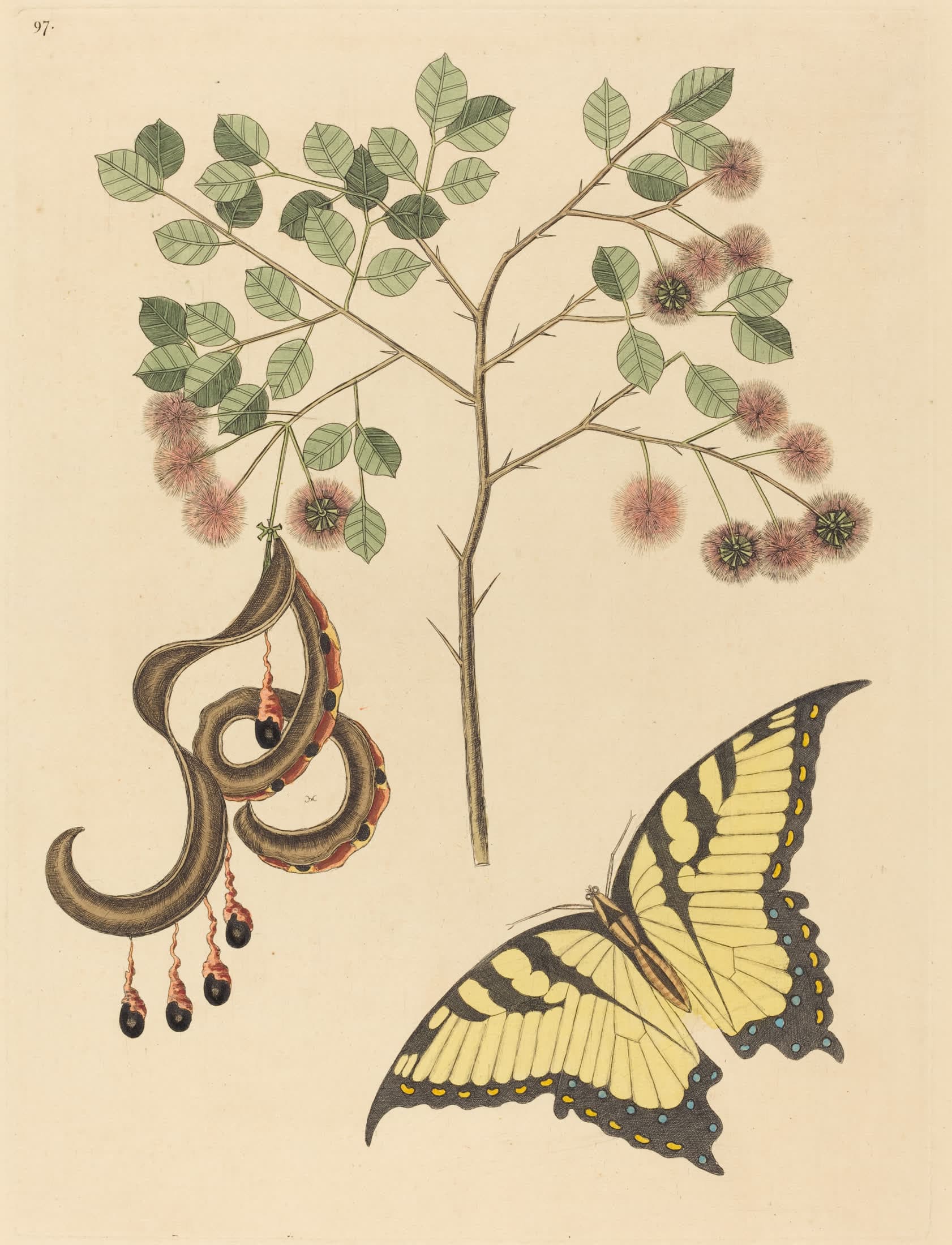
Cat’s Claw, with a Swallowtail
Plant and butterfly, paired the way Catesby paired every specimen in his book.
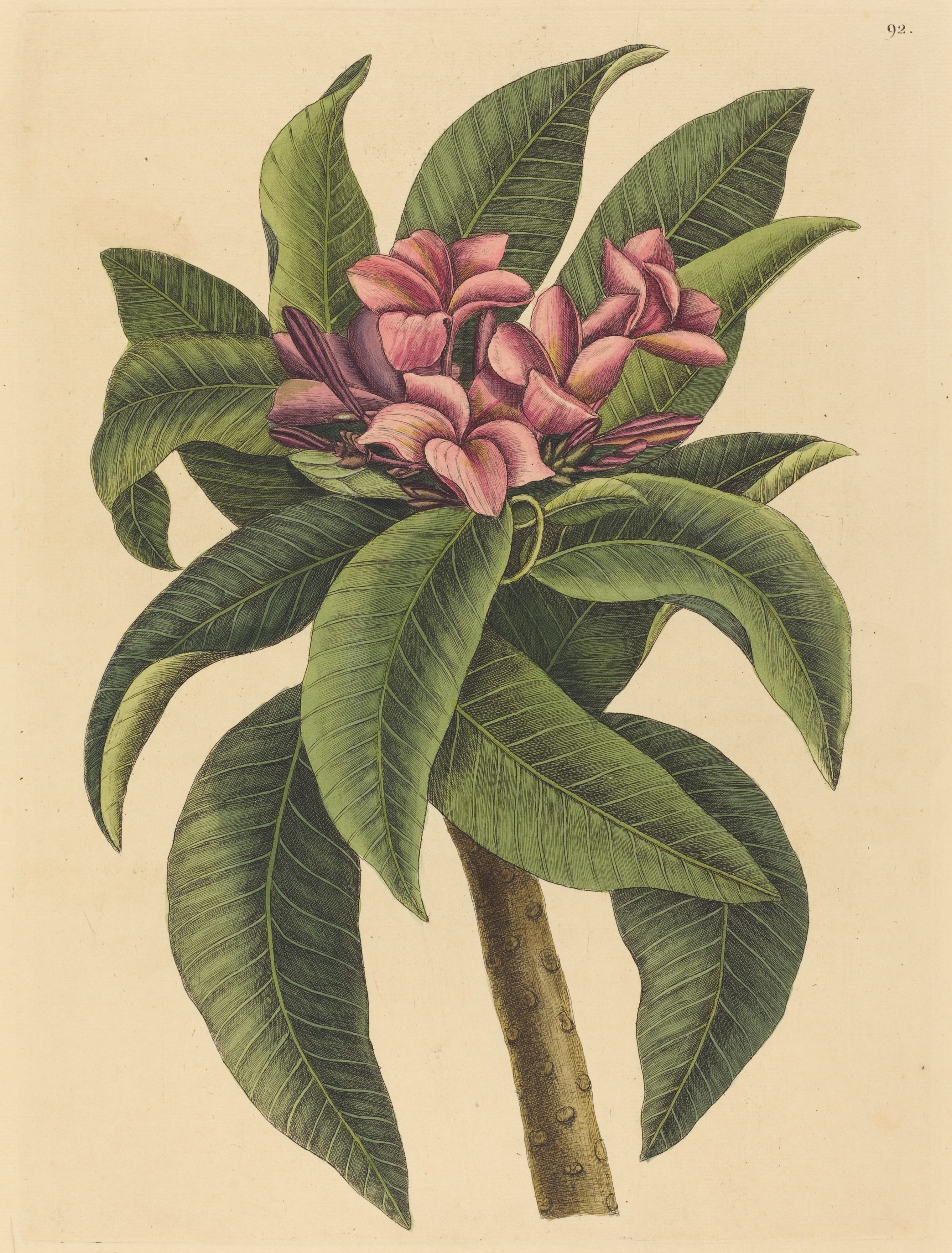
The Red Frangipani
A Caribbean bloom, recorded by the first naturalist to survey the colonial South.
The Firmament
Medieval star catalogues and constellation drawings — the old sky, mapped by hand.
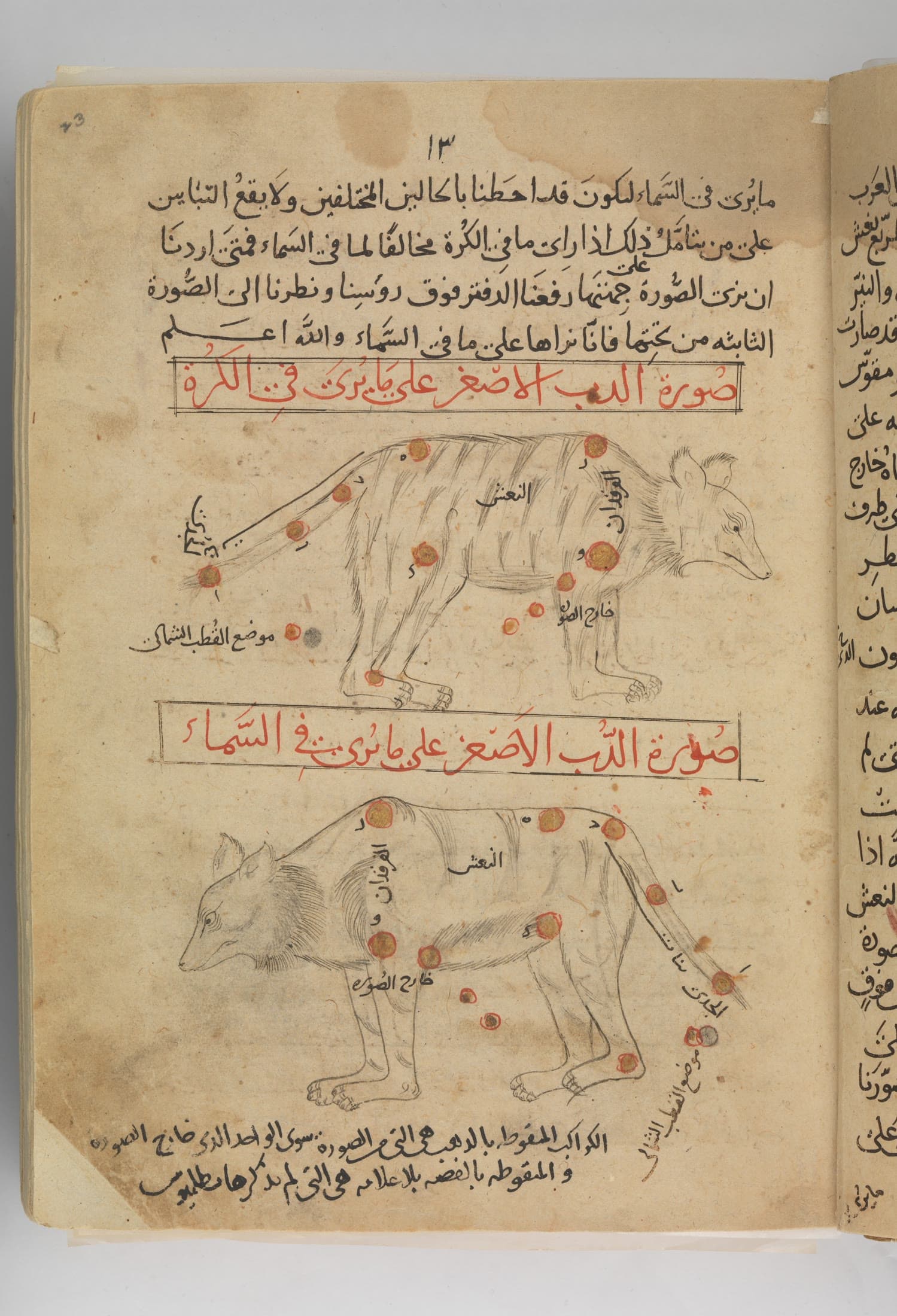
The Book of the Fixed Stars
A medieval Islamic star atlas, copied five centuries after it was written.
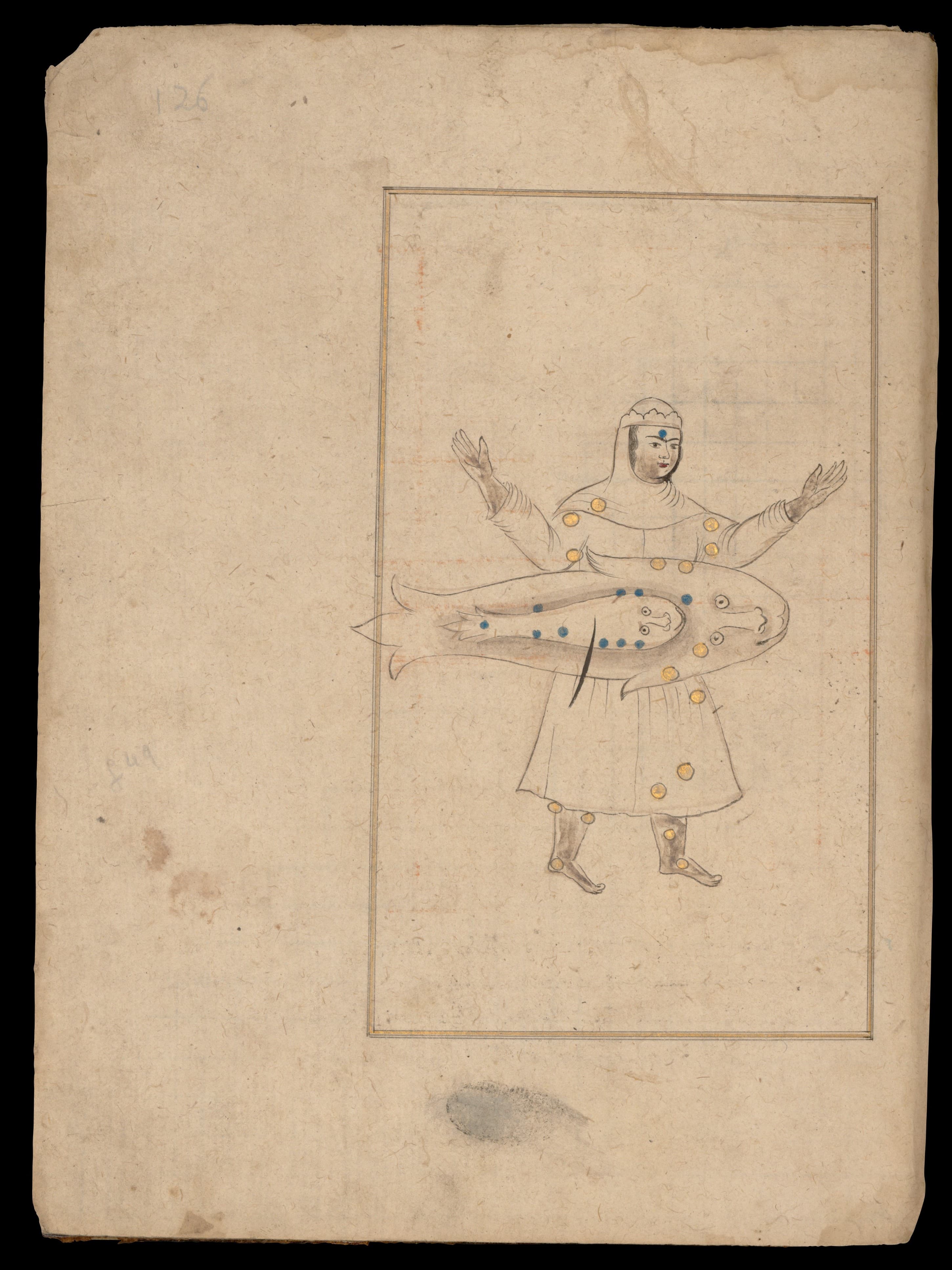
The Book of the Fixed Stars (Ottoman Copy)
Al-Sufi's star atlas, still being copied and used eight centuries later.
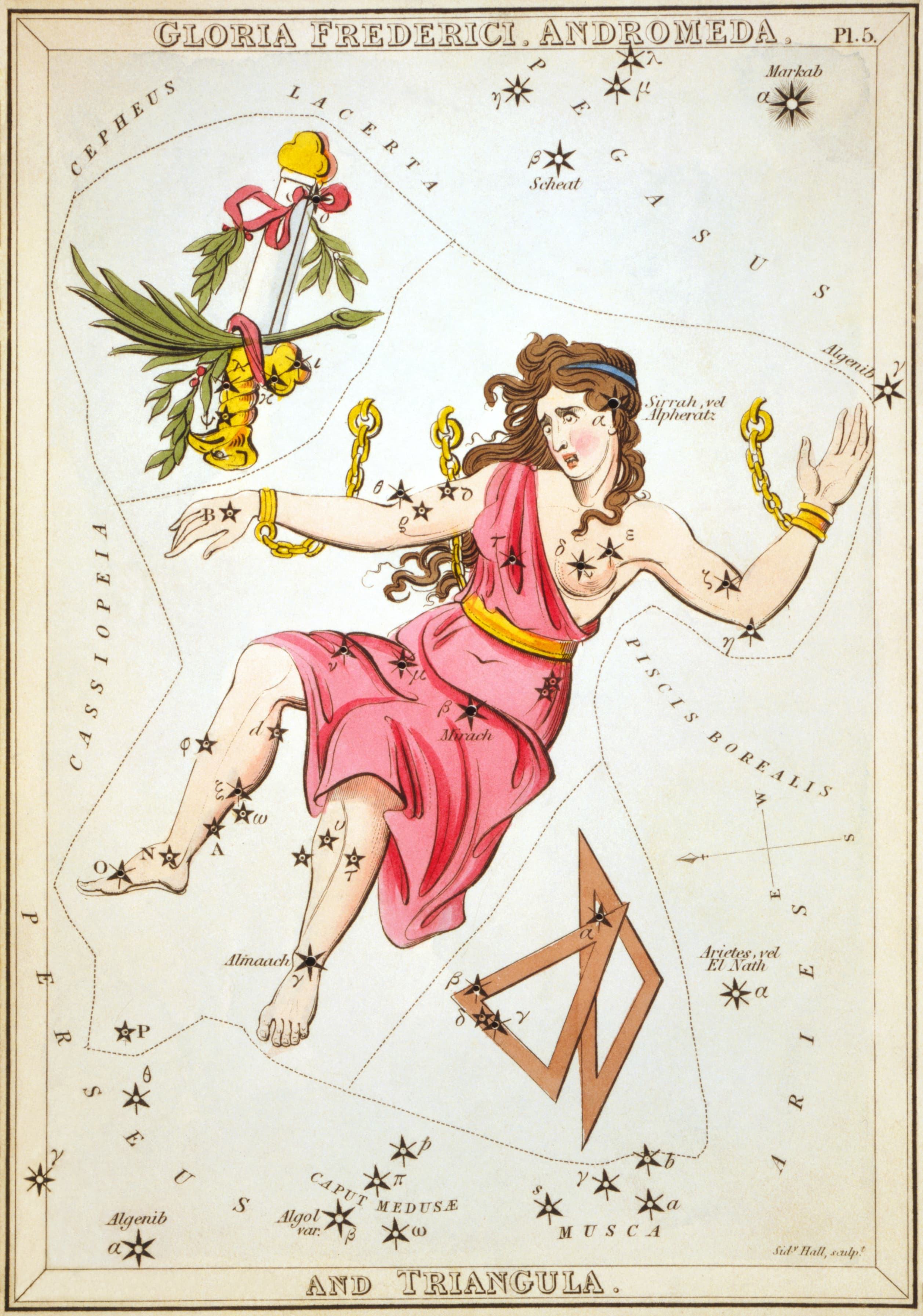
The Constellation Andromeda
A chained princess, pierced with real star positions, held up to the light.
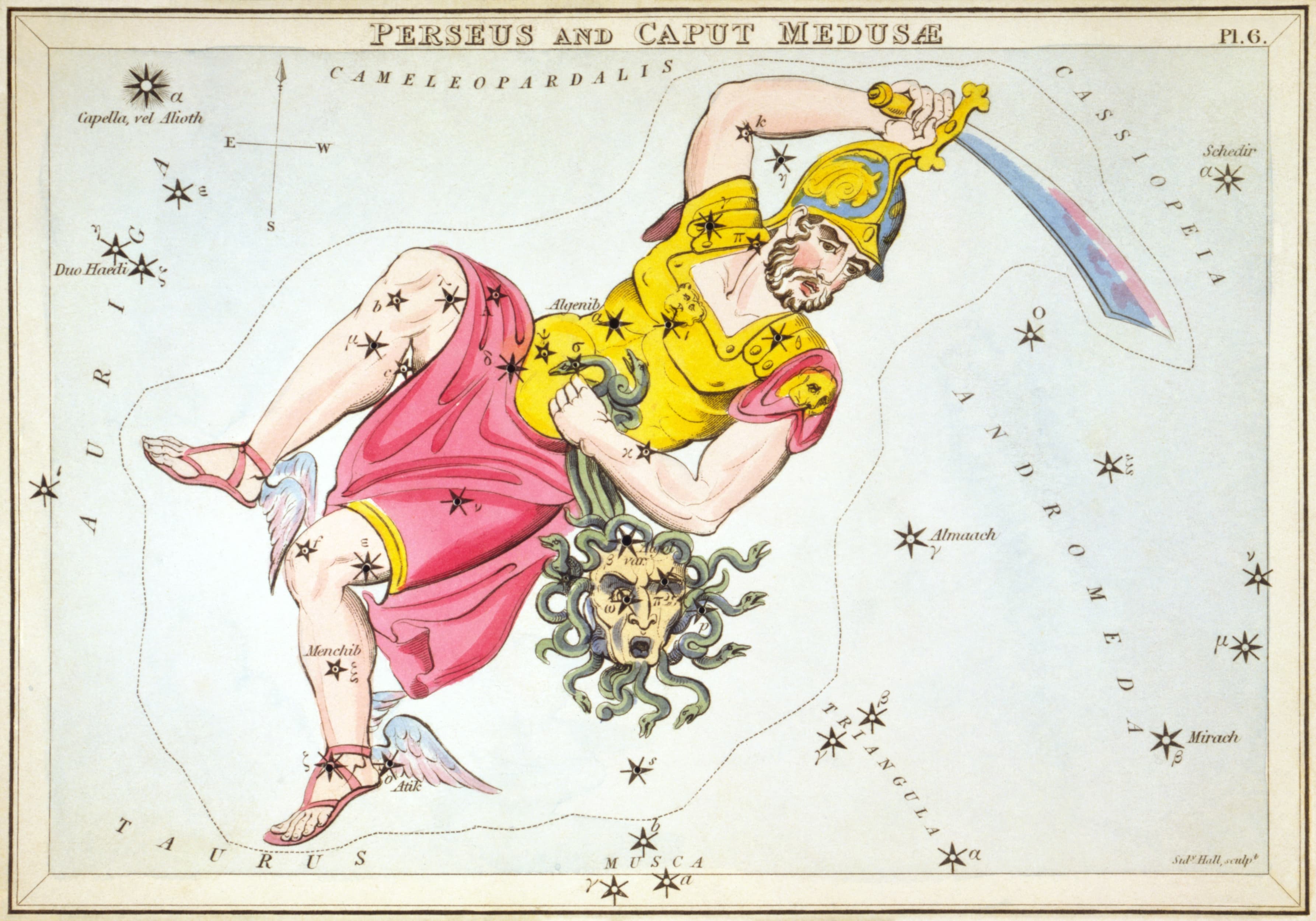
Perseus and Caput Medusae
A hero holding a gorgon's severed head, pierced with real star positions.
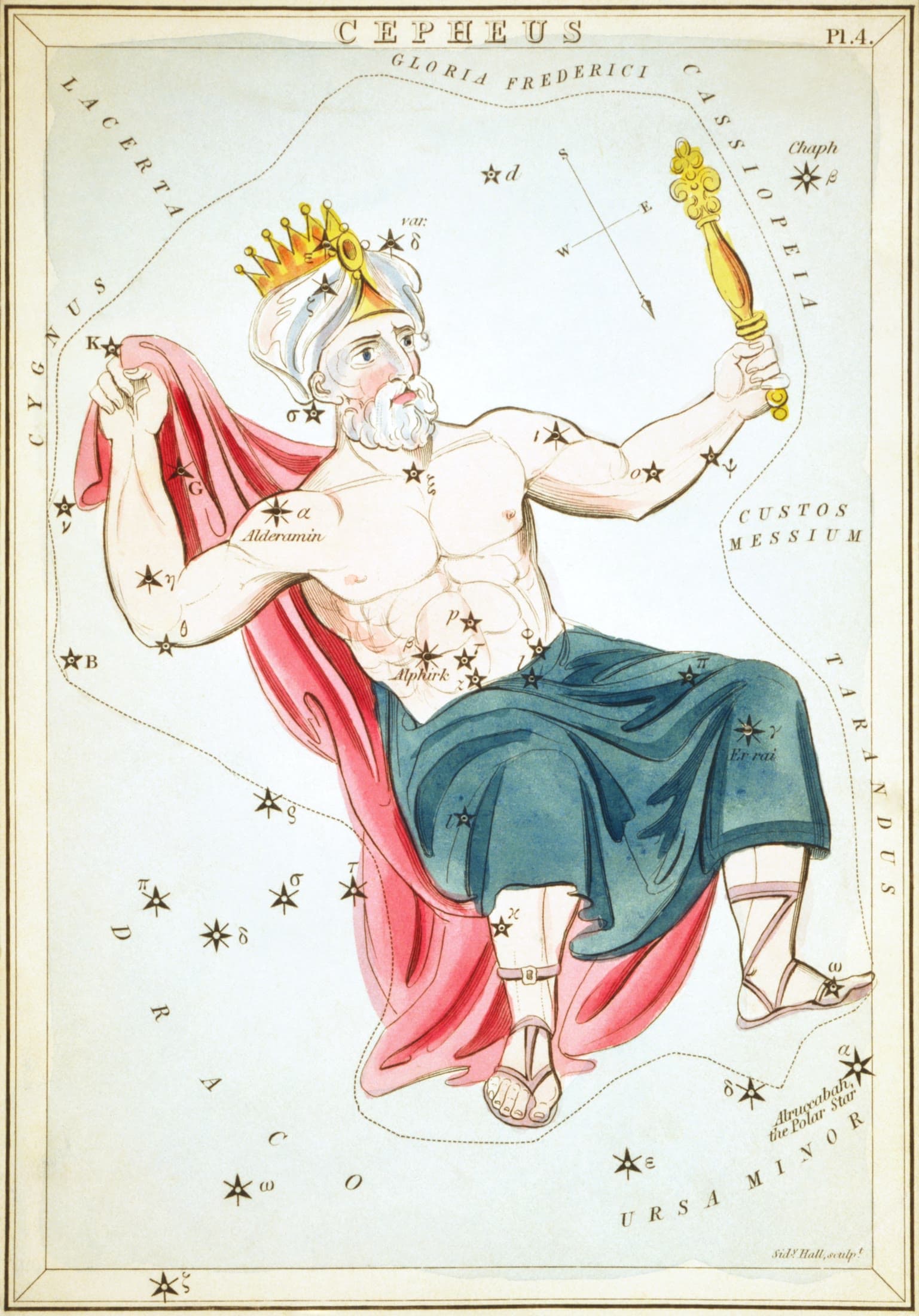
Cepheus
A mythical king of Ethiopia, crowned in gold and pierced with real stars.
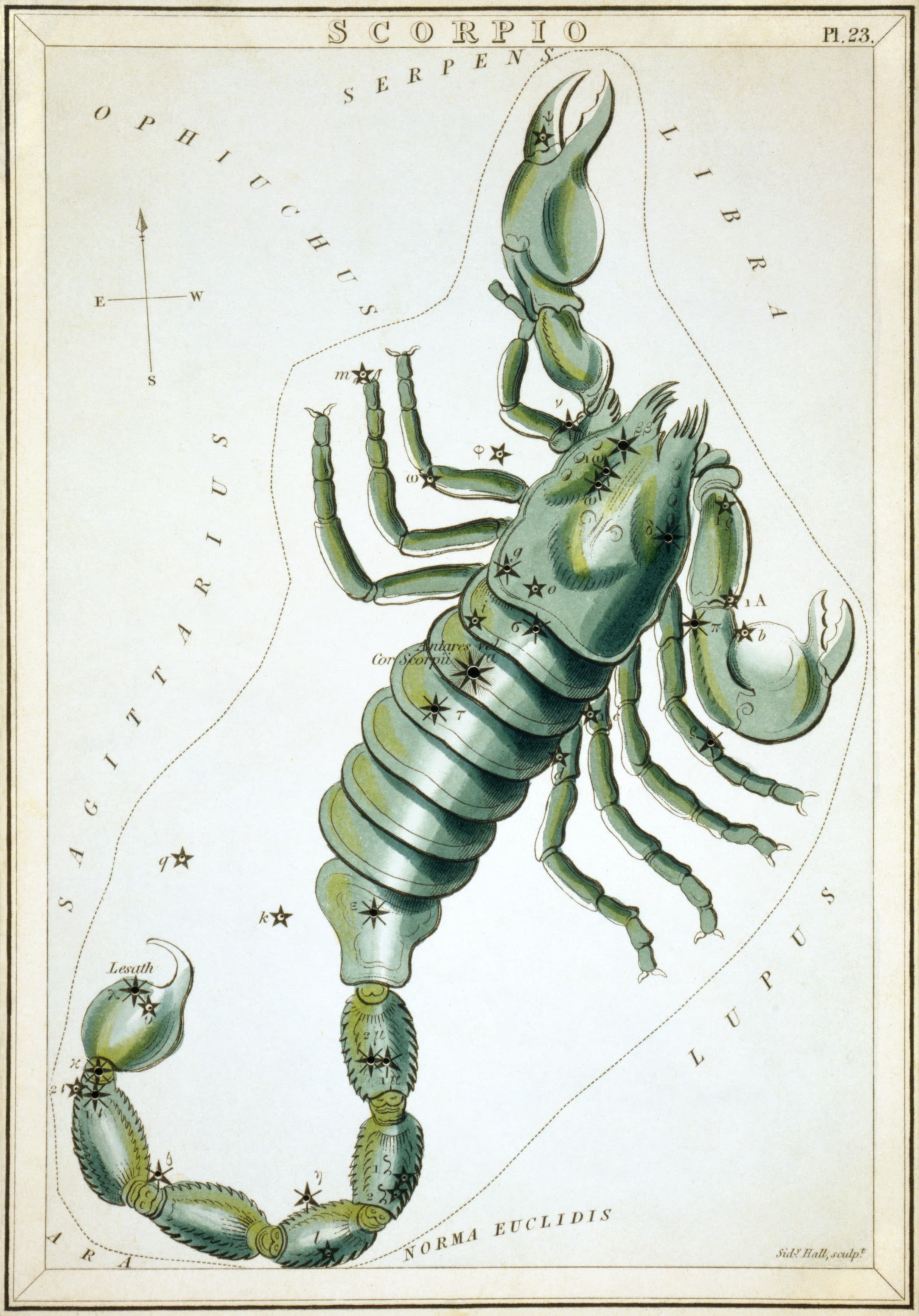
Scorpio
The zodiac scorpion, rendered in cold green-grey and real starlight.
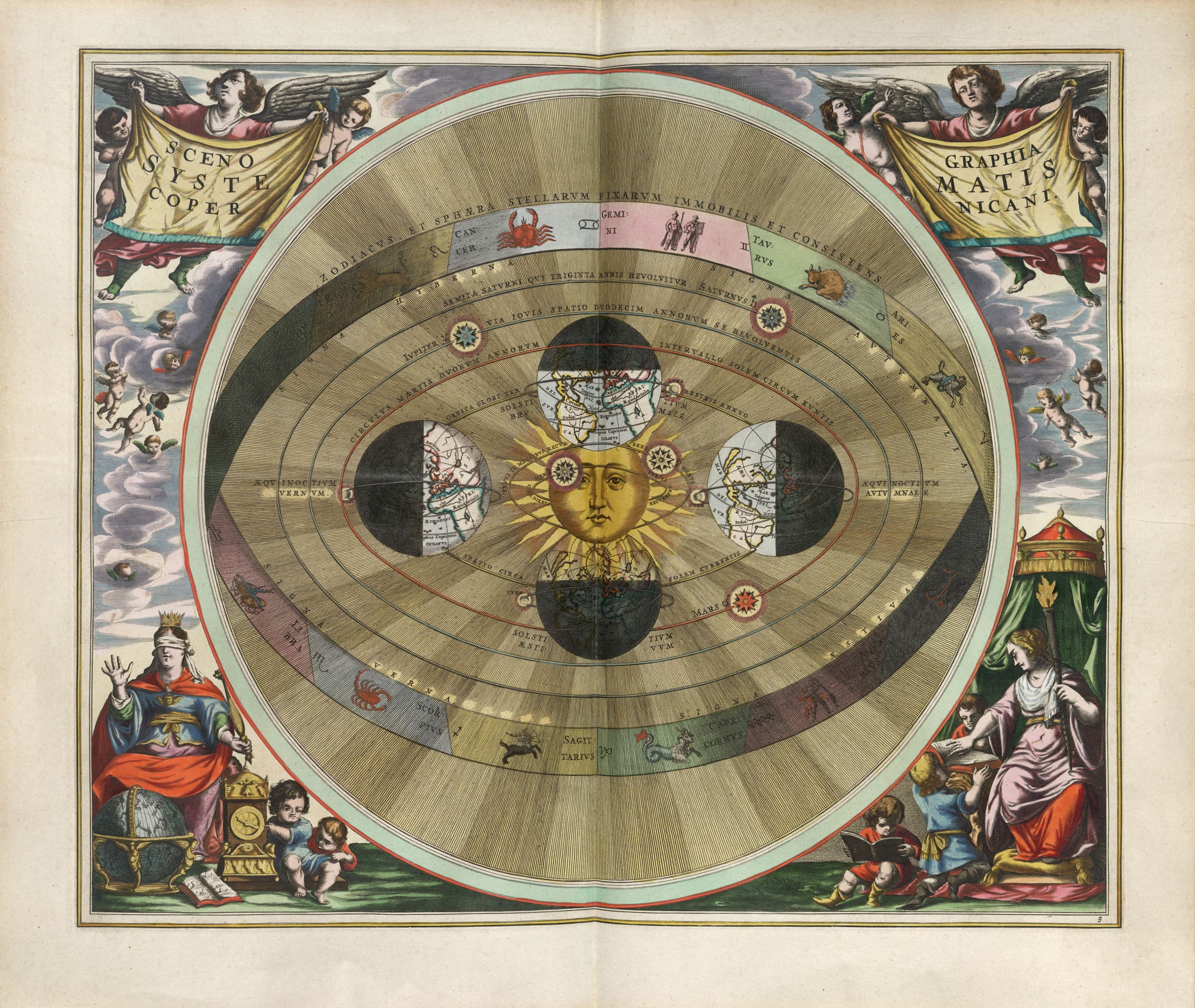
Scenography of the Copernican System
The sun-centered solar system, drawn as a Baroque stage set.
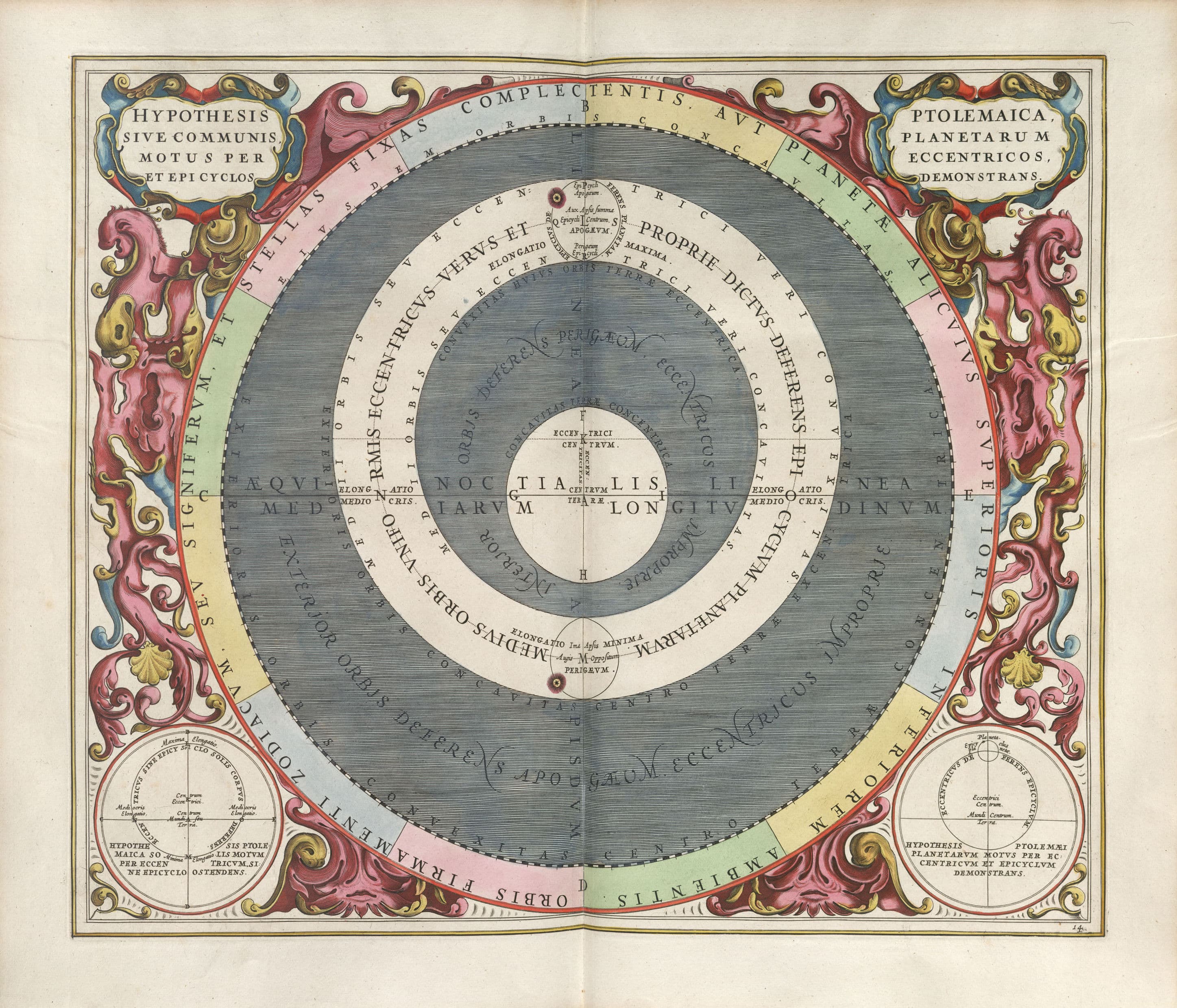
Hypothesis of the Ptolemaic Eccentric and Epicycle
A working diagram of the Earth-centered universe, drawn like a jewel.
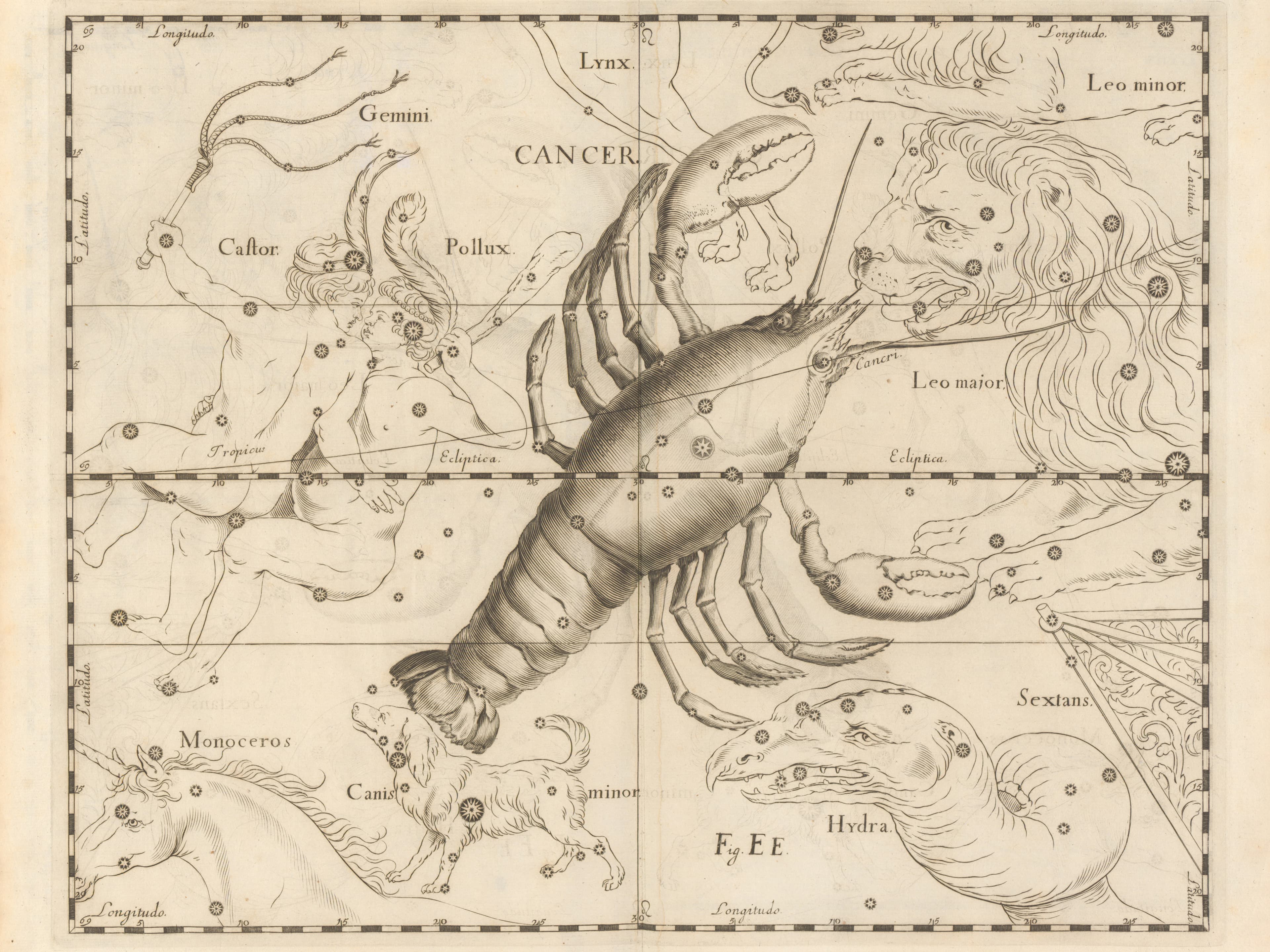
Cancer, Amid a Crowded Sky
The zodiac crab, drawn by a man who trusted his own eye over the telescope.
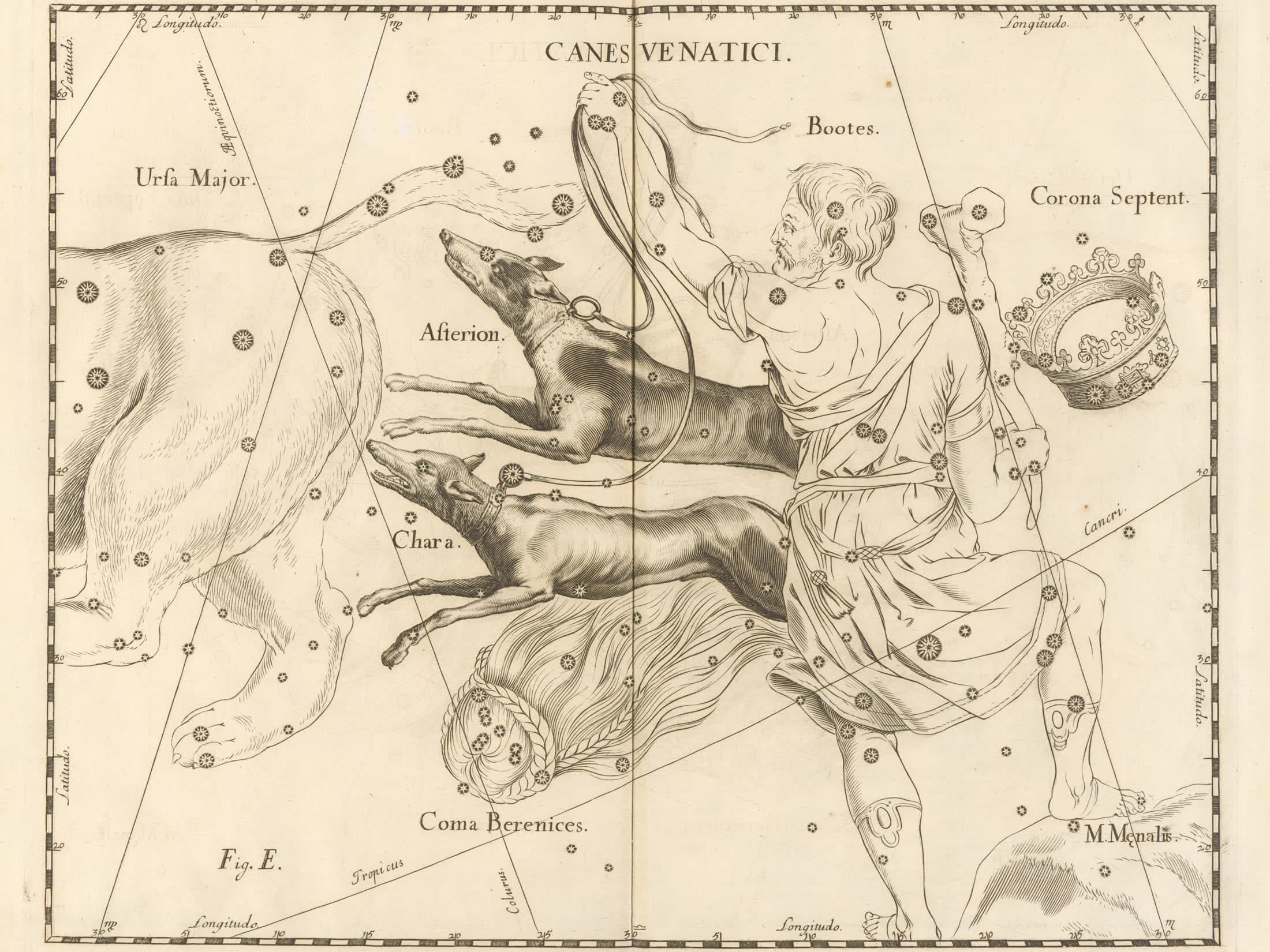
Canes Venatici, the Hunting Dogs
A constellation that didn’t exist until this atlas invented it.
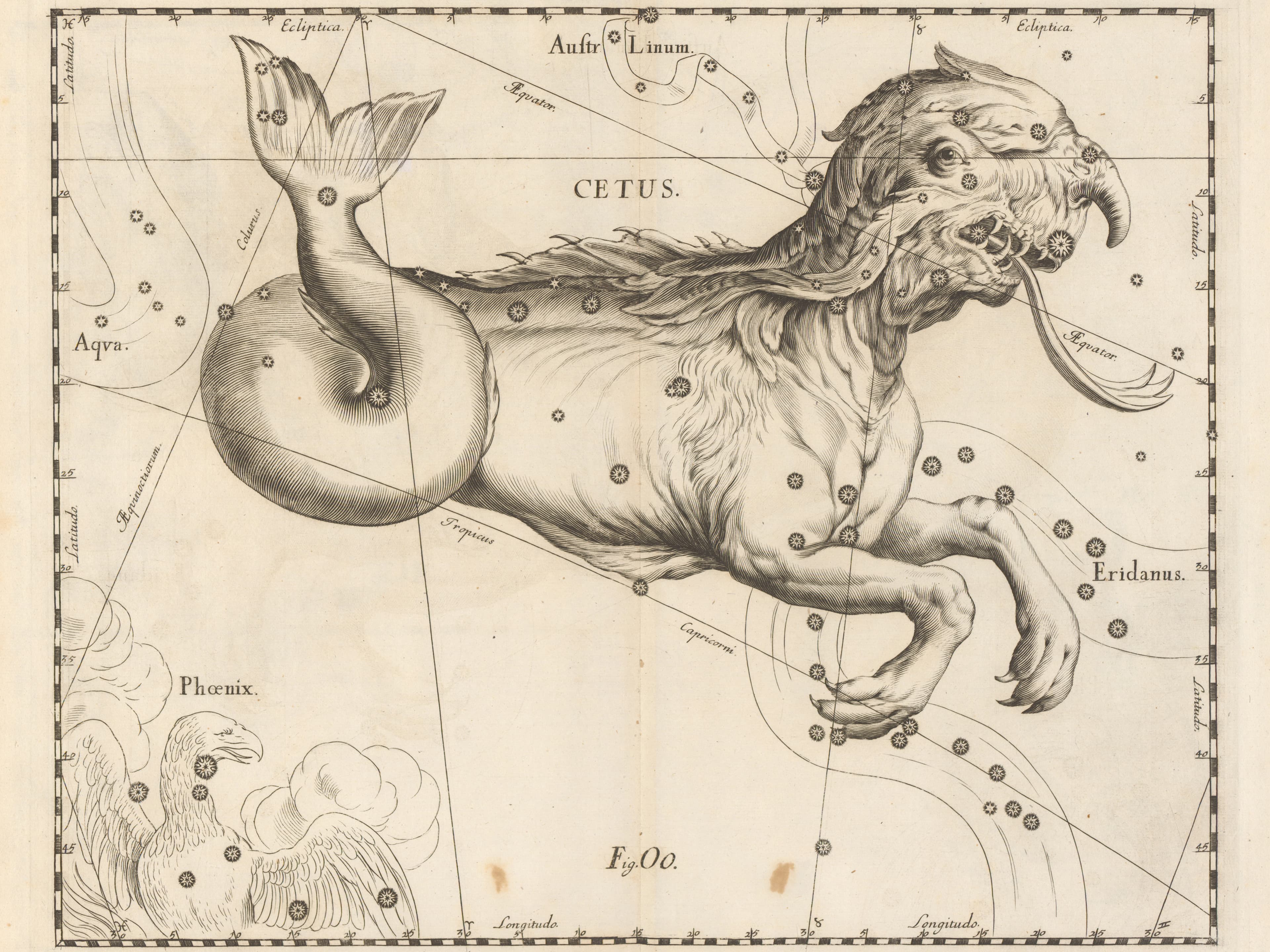
Cetus, the Sea Monster
The beast Perseus slew to save Andromeda, mapped star by star.
The Cabinet
Zoology, entomology, and anatomical plates — the study of living form.
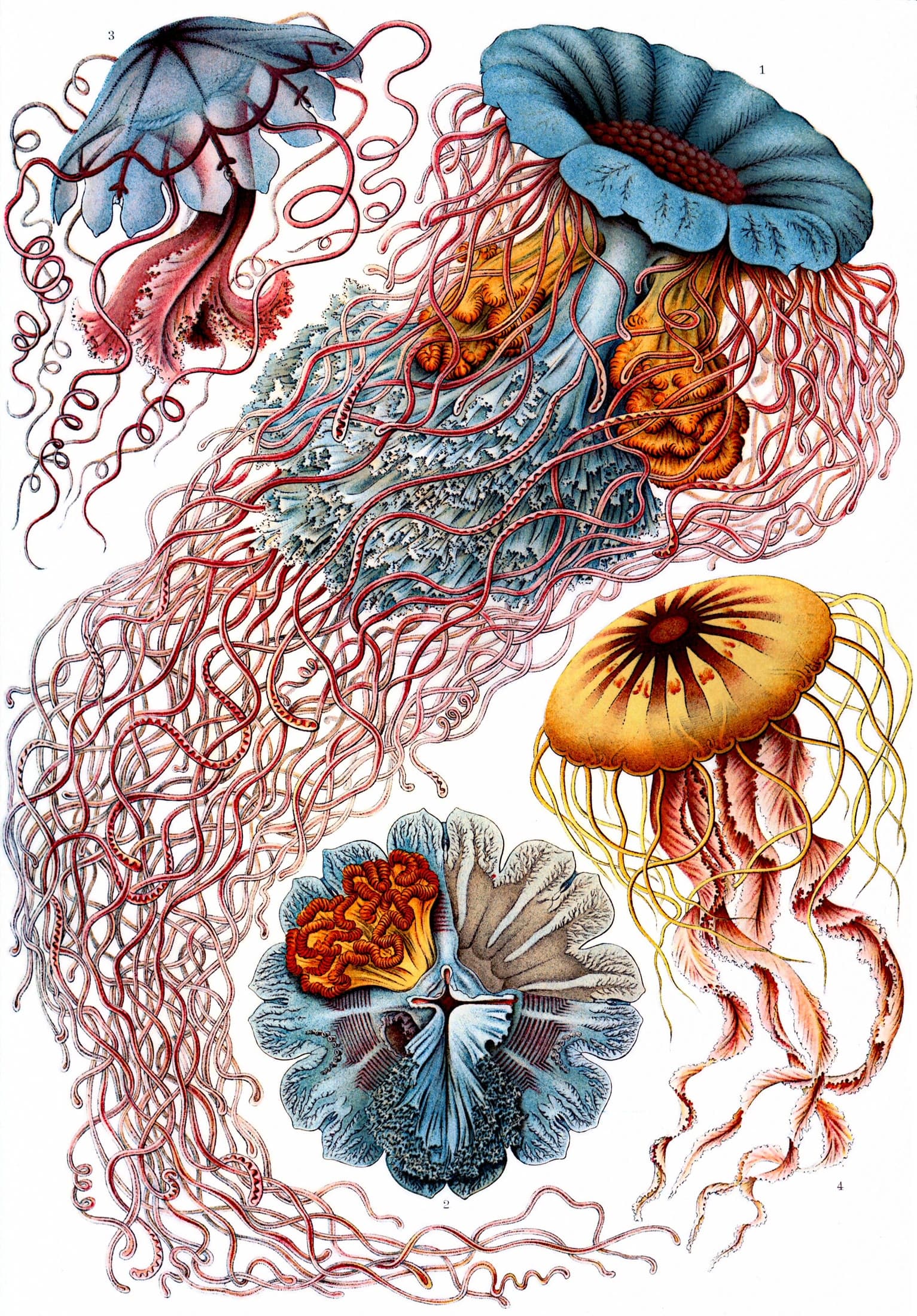
Discomedusae
From Haeckel's Kunstformen der Natur — jellyfish, drawn like stained glass.
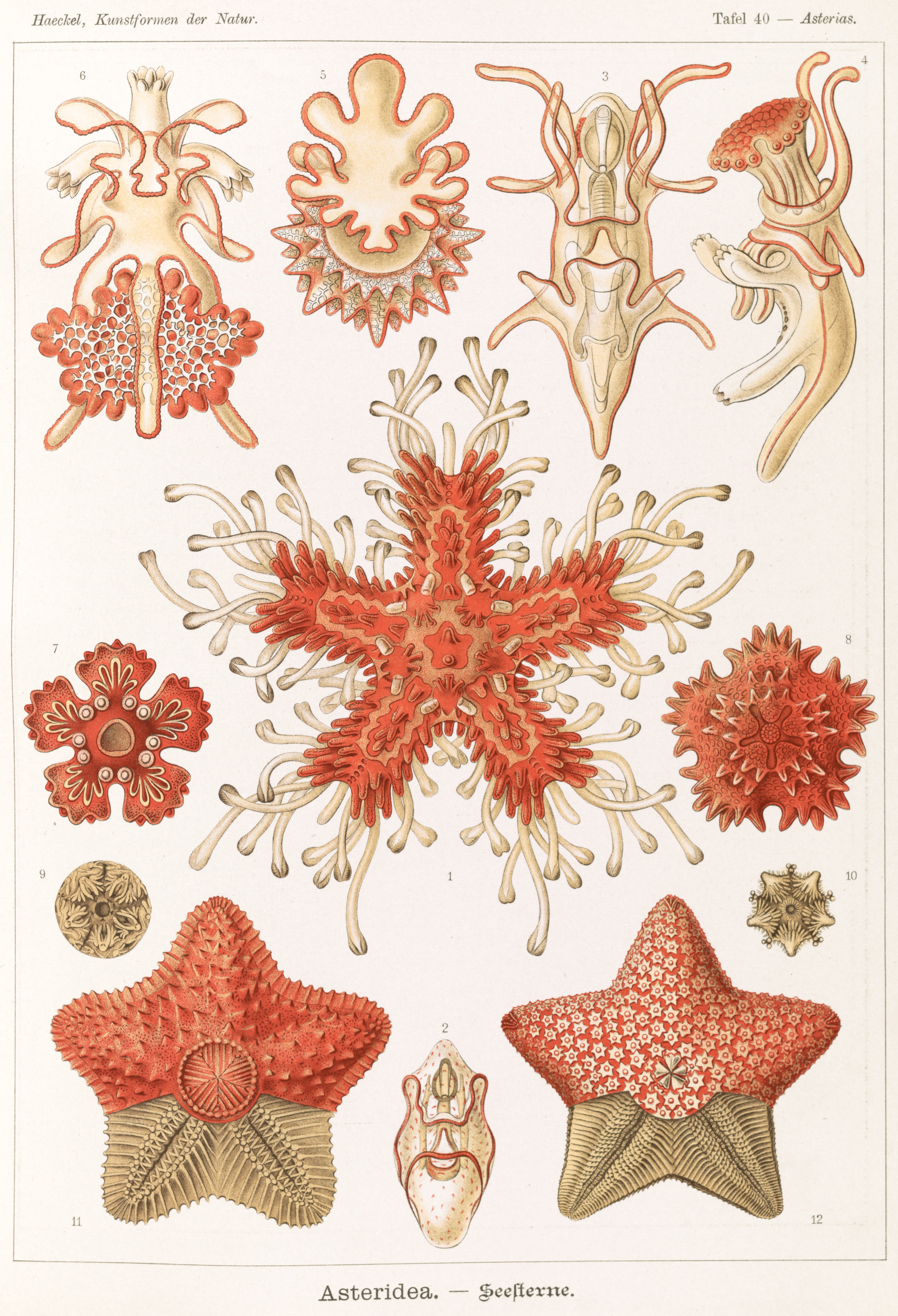
Asteridea
From Haeckel's Kunstformen der Natur — starfish, catalogued like jewelry.
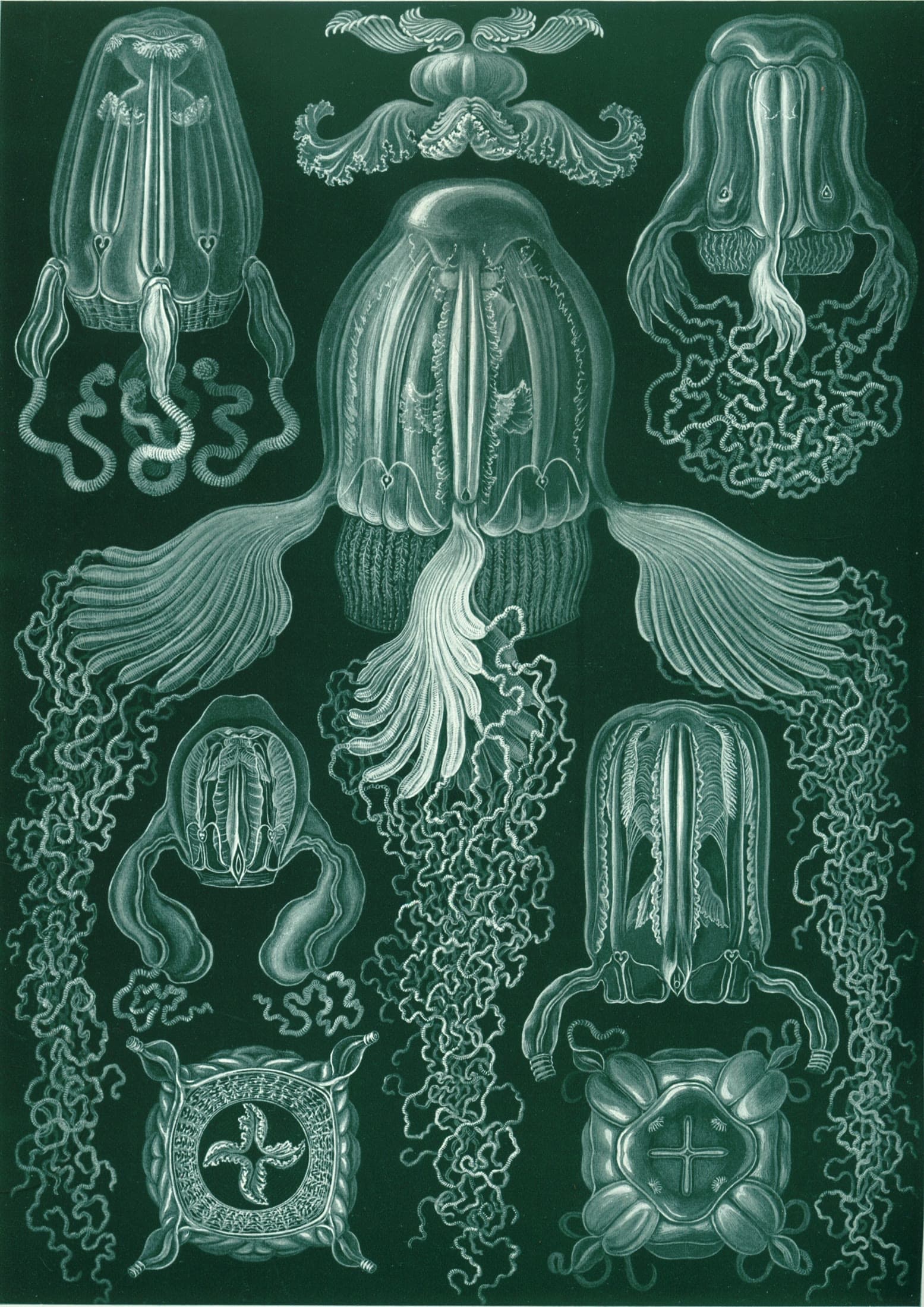
Cubomedusae
From Haeckel's Kunstformen der Natur — box jellyfish, rendered in ghostly duotone.
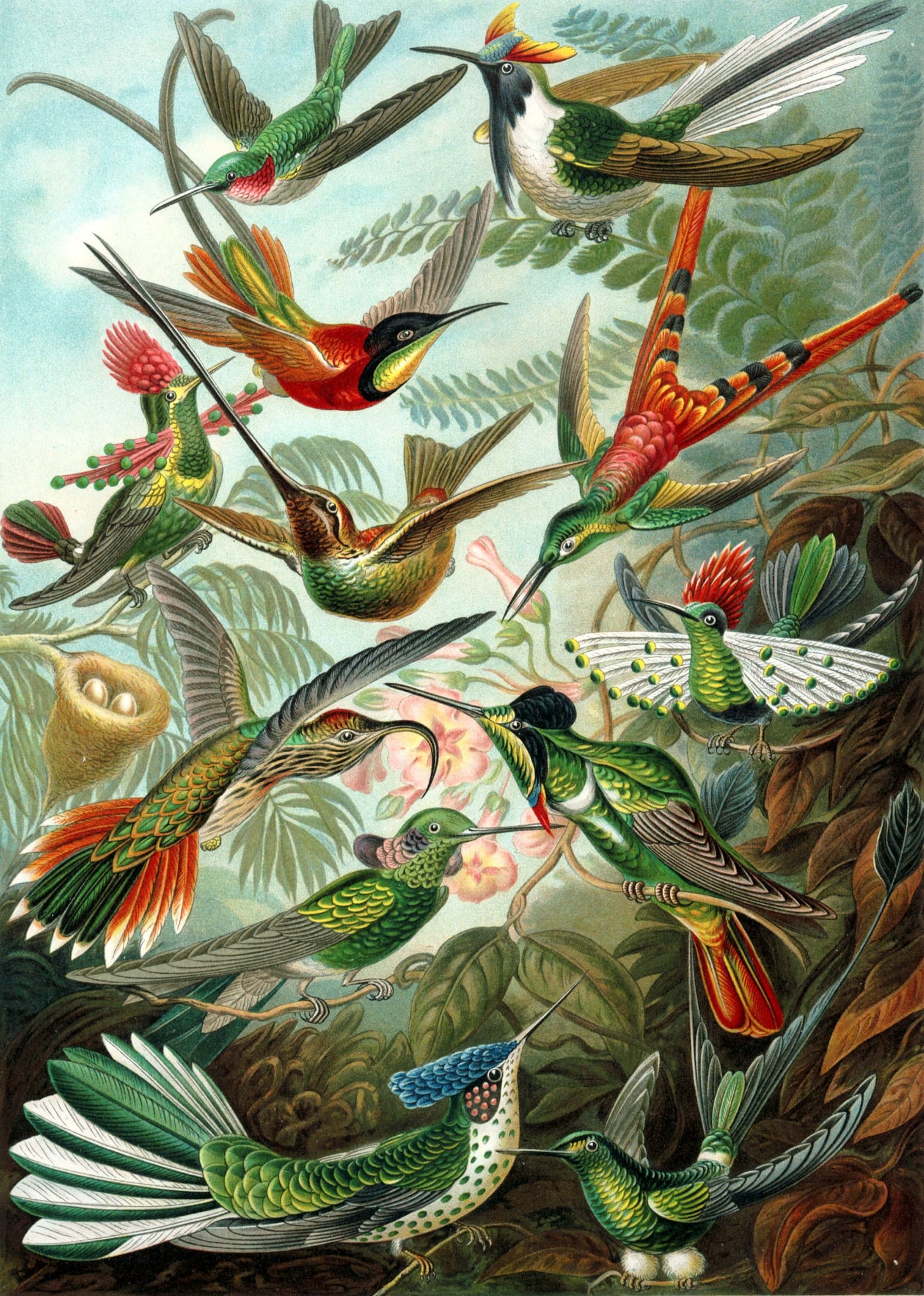
Trochilidae
From Haeckel's Kunstformen der Natur — hummingbirds, the one warm-blooded plate in the set.
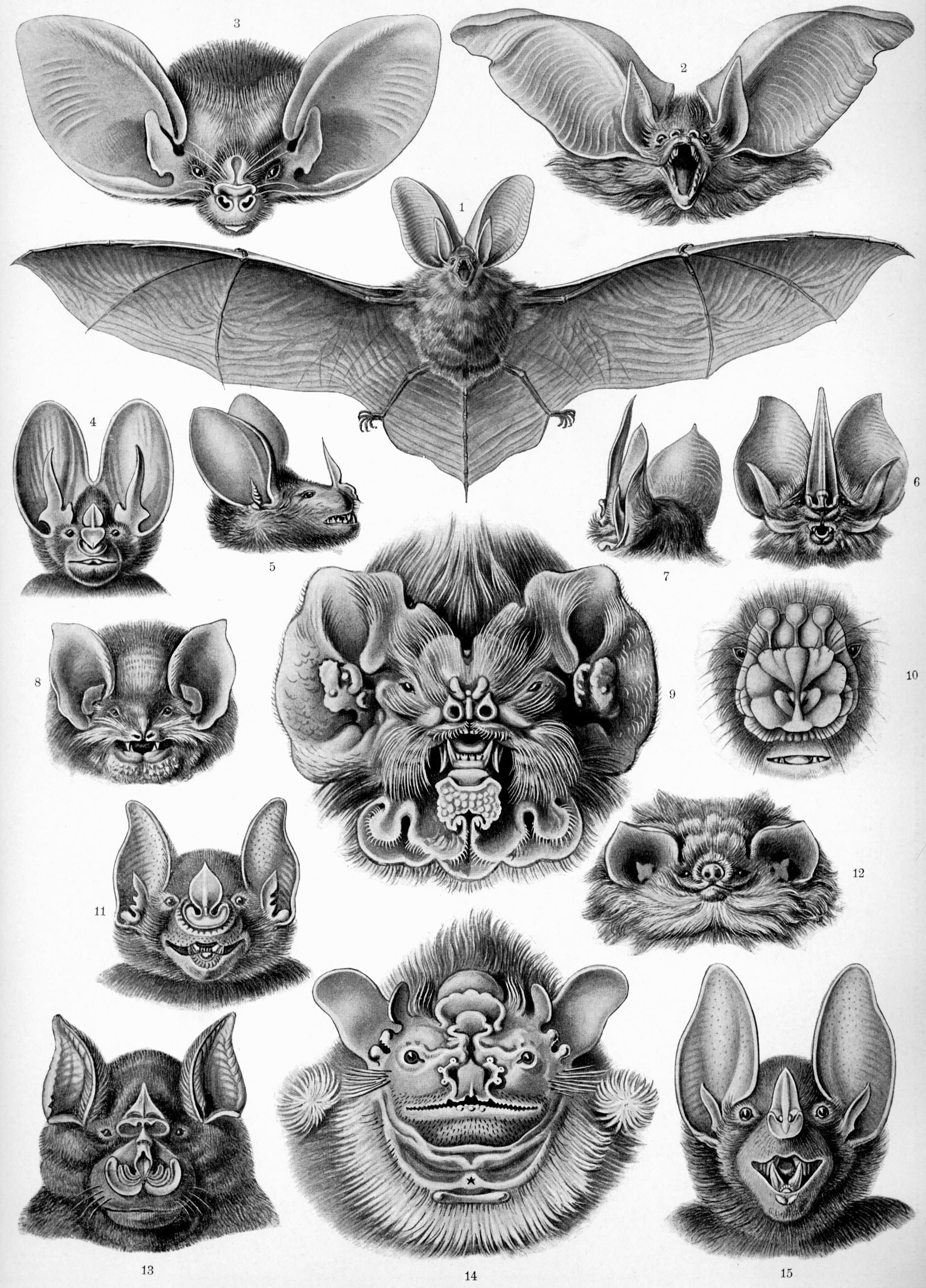
Chiroptera
From Haeckel's Kunstformen der Natur — bat faces, drawn with unflinching, gothic detail.
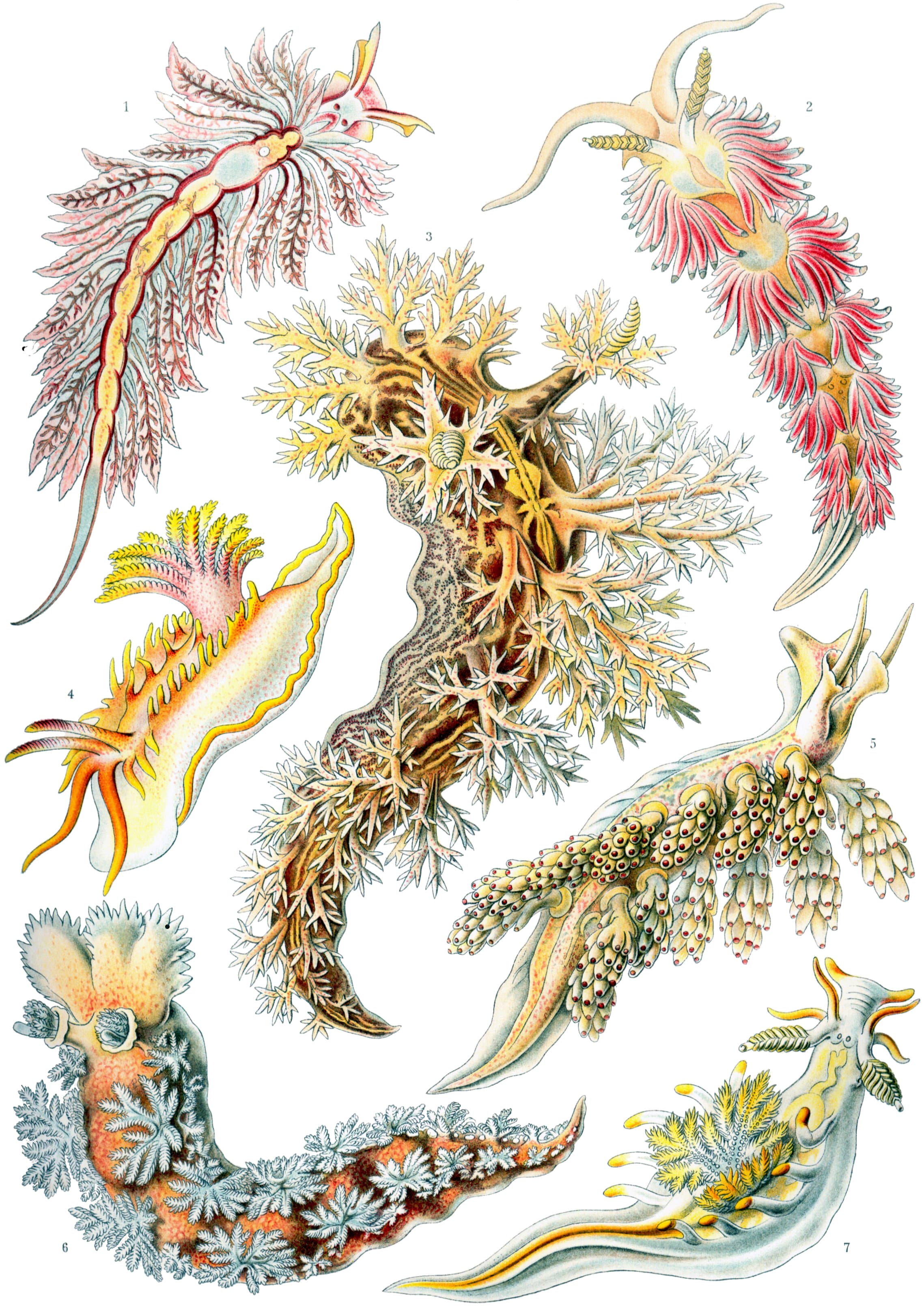
Nudibranchia
From Haeckel's Kunstformen der Natur — sea slugs, more vividly colored than any flower.
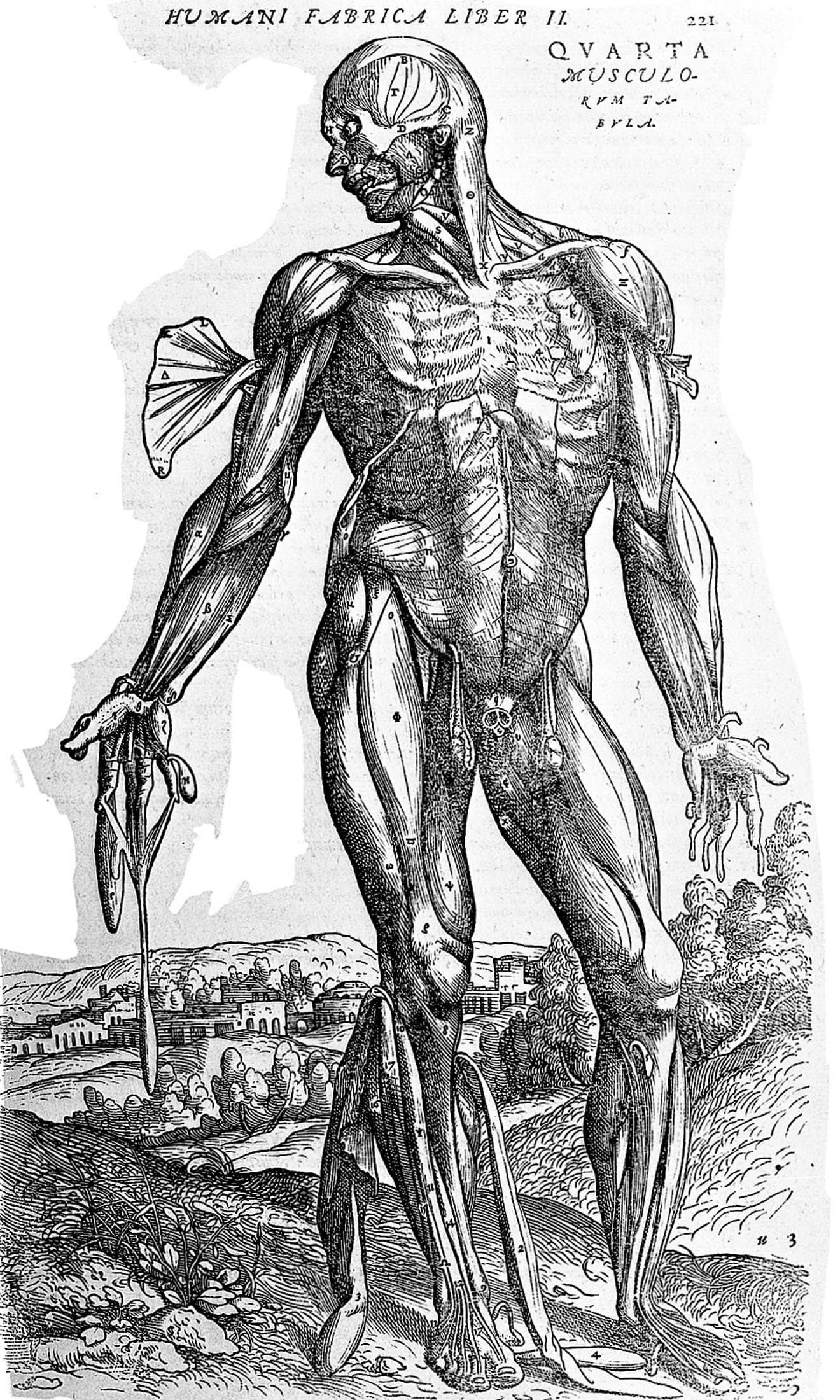
The Fourth Muscle Man
From De Humani Corporis Fabrica — the book that founded modern human anatomy.
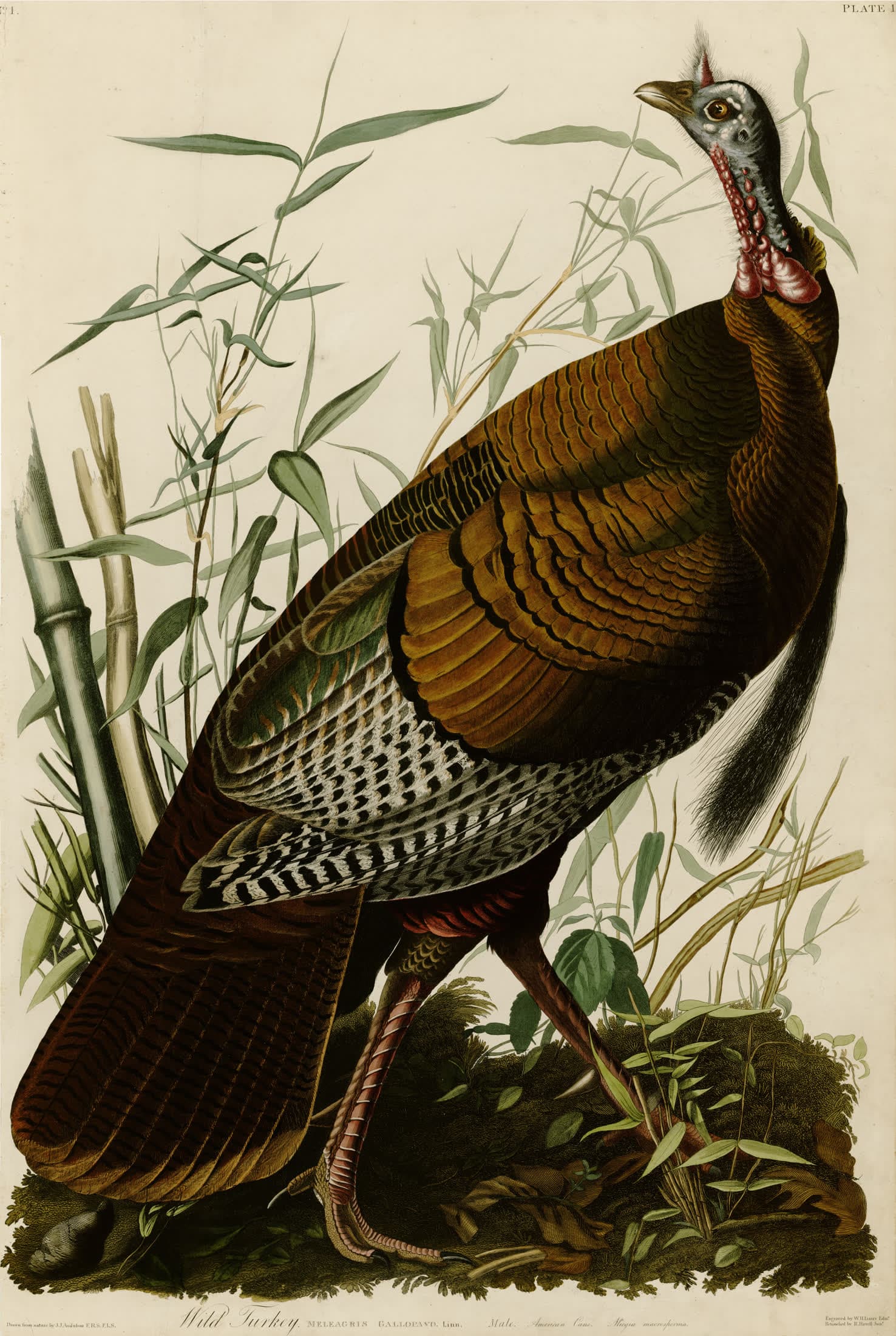
The Wild Turkey
Plate One of The Birds of America — the bird Audubon chose to open the whole work.
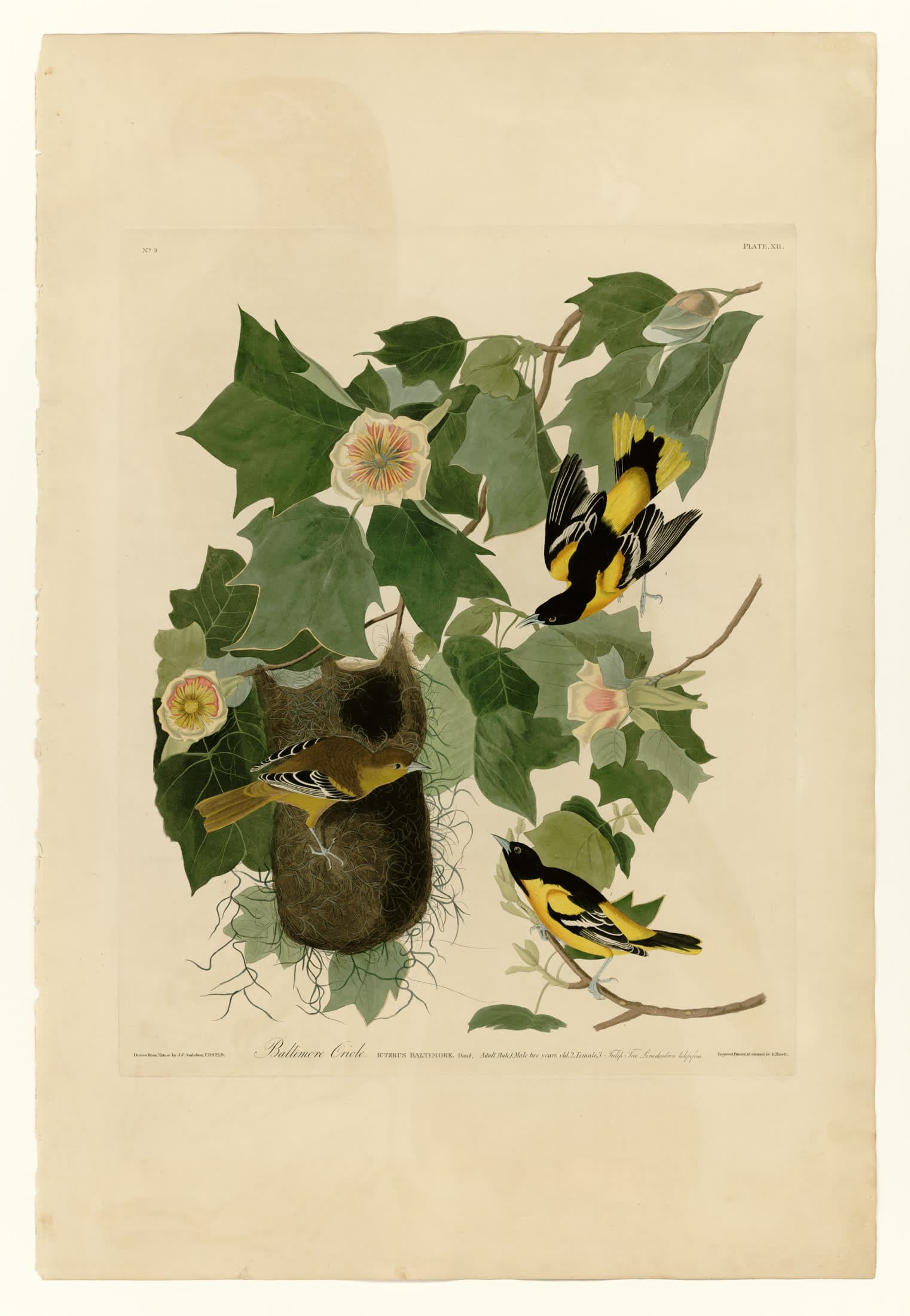
The Baltimore Oriole
A mated pair and their remarkable woven nest, from The Birds of America.
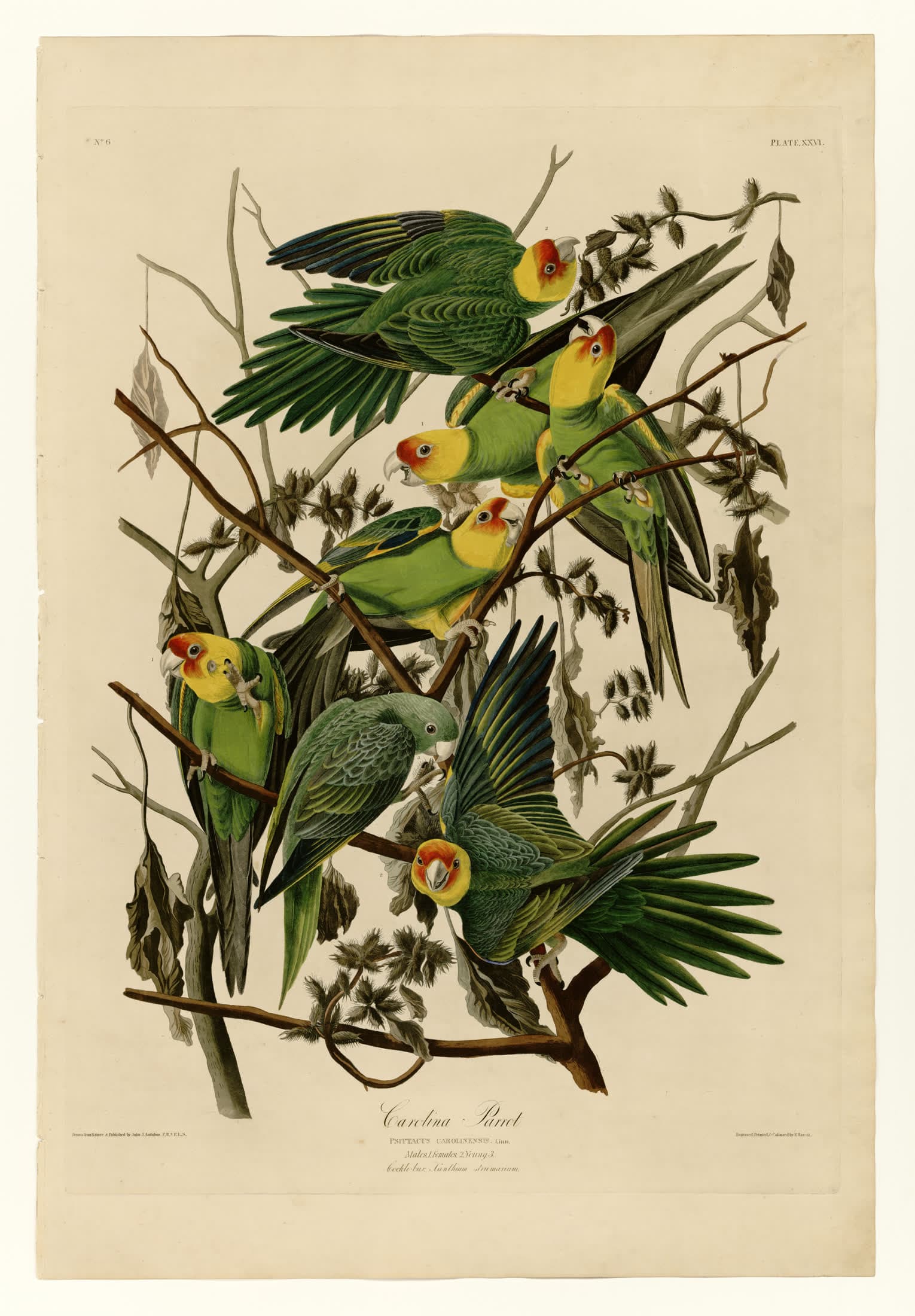
The Carolina Parrot
A flock of the only parrot native to the eastern United States — extinct since 1918.
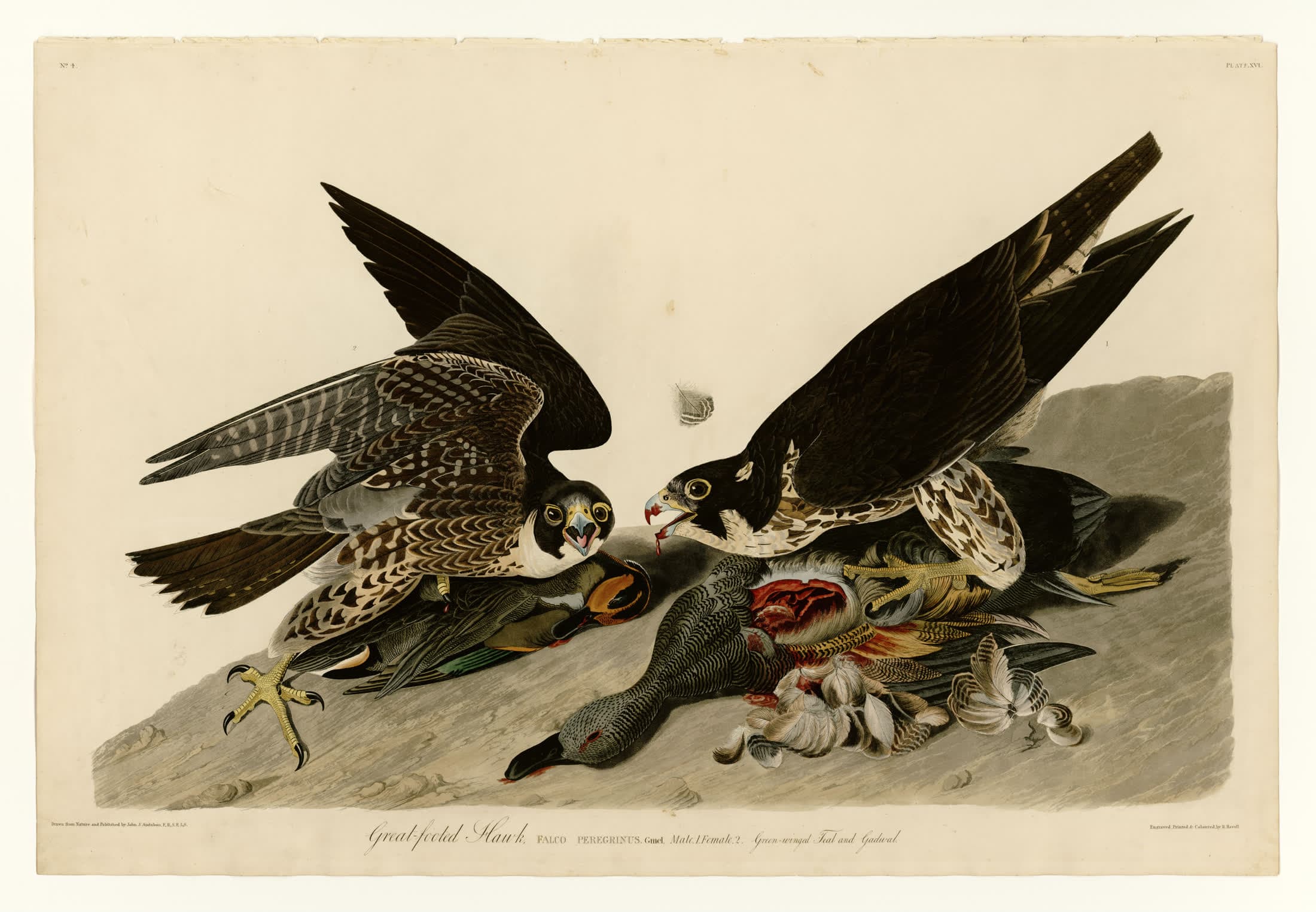
The Great-Footed Hawk
A pair of peregrine falcons over fresh kill — one of Audubon’s most violent plates.
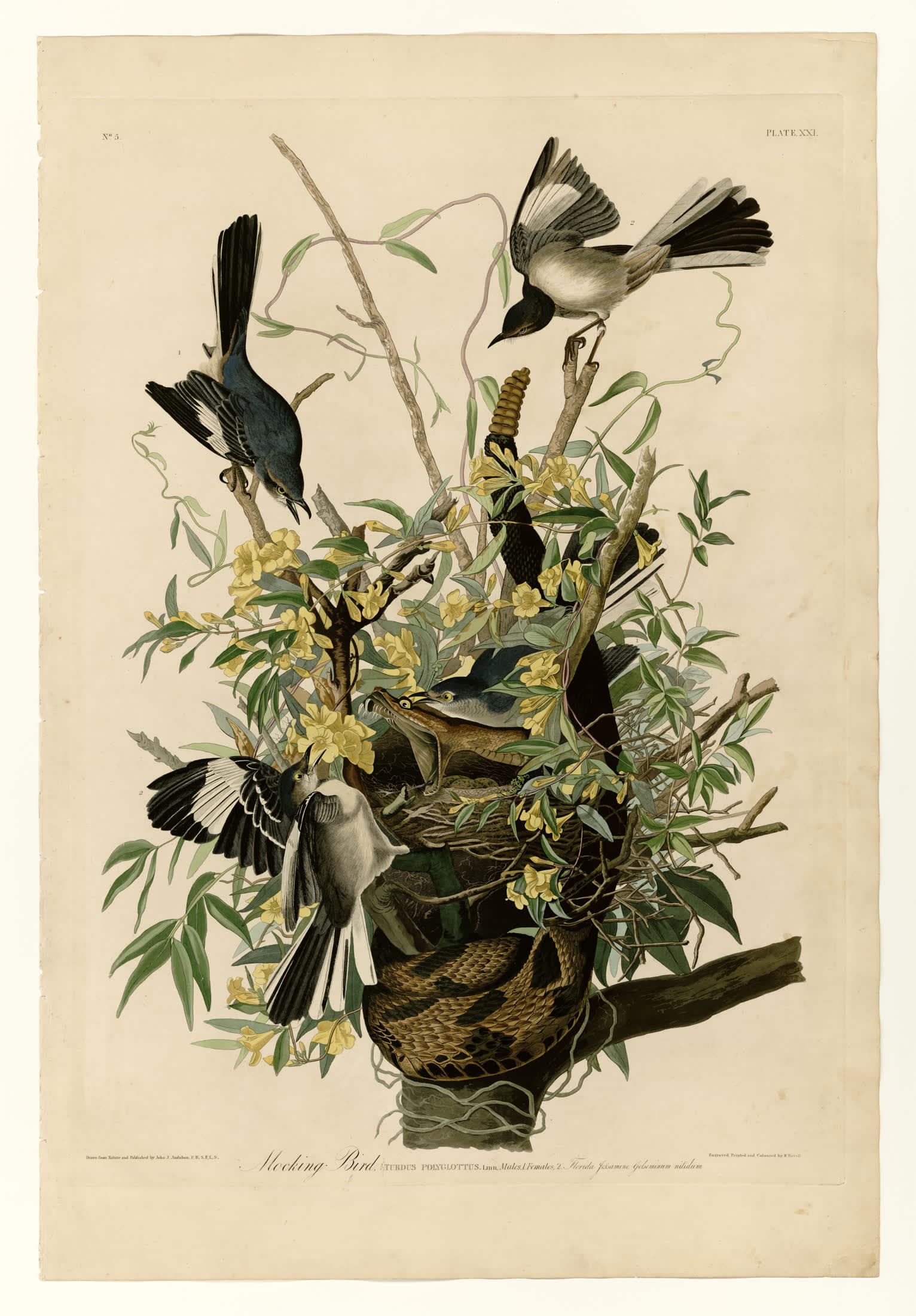
The Mocking Bird
A nest under attack by a rattlesnake — the plate that scandalized 19th-century ornithology.
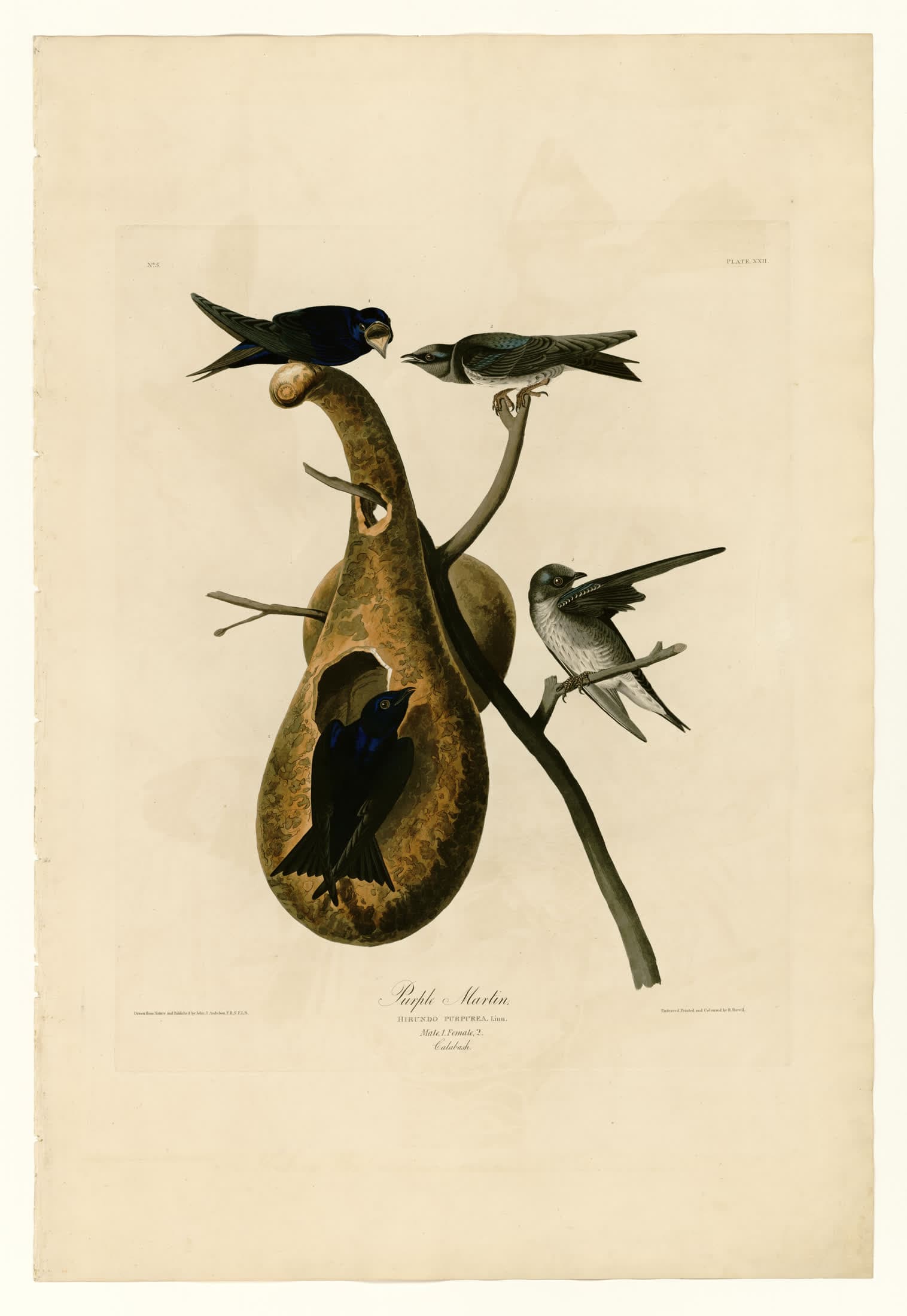
The Purple Martin
A hollow gourd birdhouse — one of the oldest bird-housing traditions in North America.
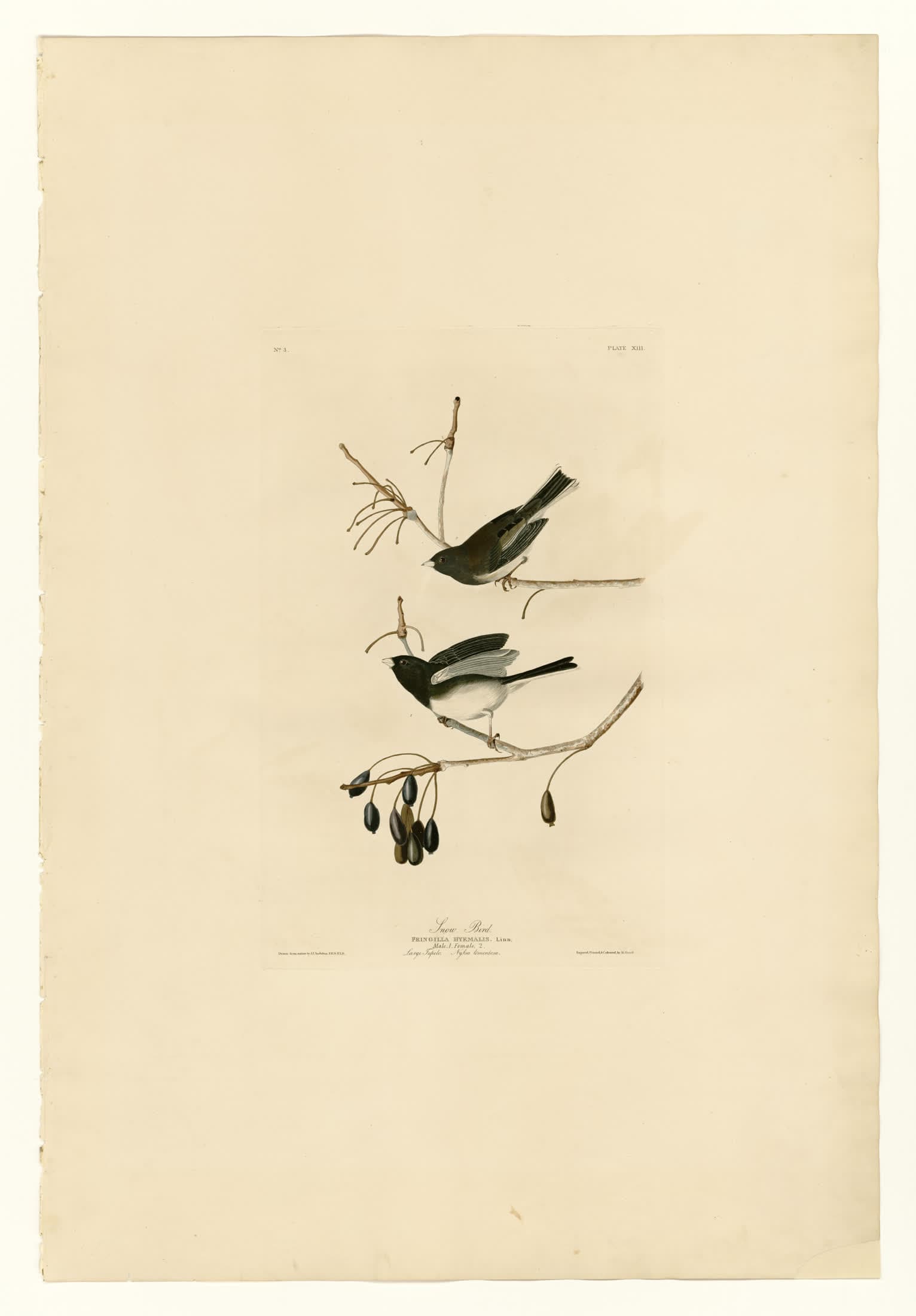
The Snow Bird
A small, unshowy plate — winter finches on a red mulberry branch.
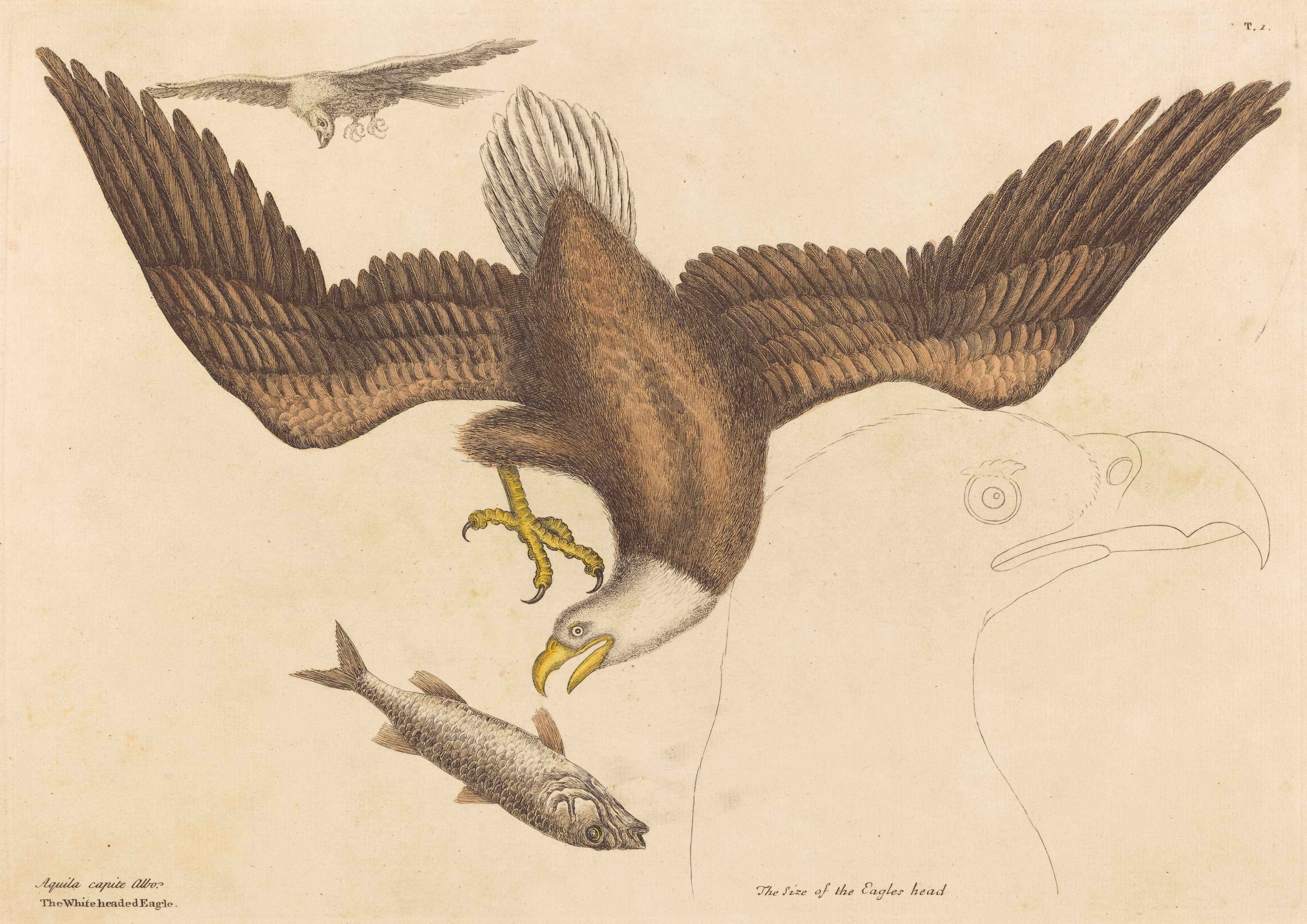
The White-Headed Eagle
The bald eagle, drawn seventy years before it became a national symbol.
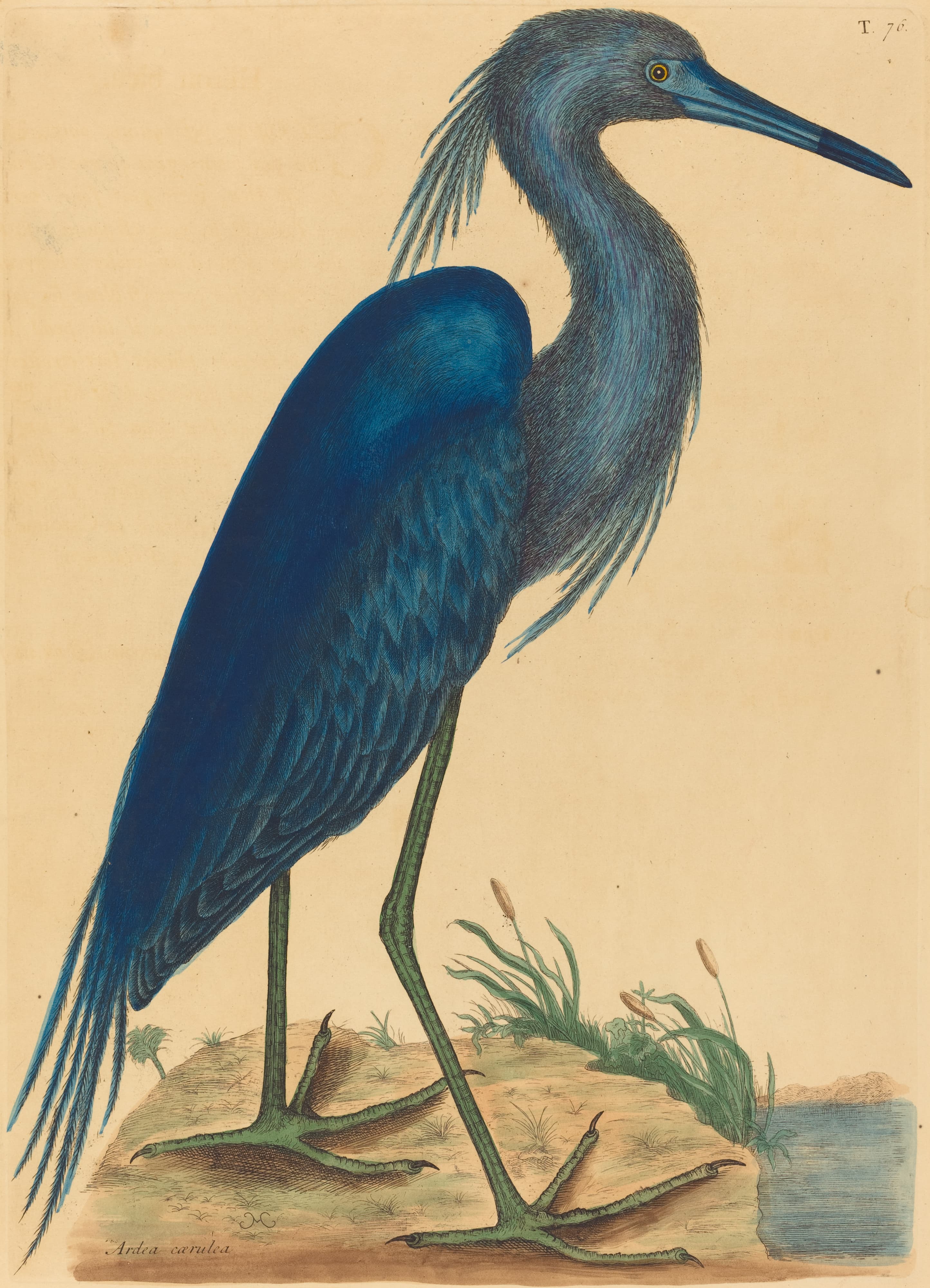
The Blue Heron
A wading bird in saturated blue, standing at the edge of its own habitat.
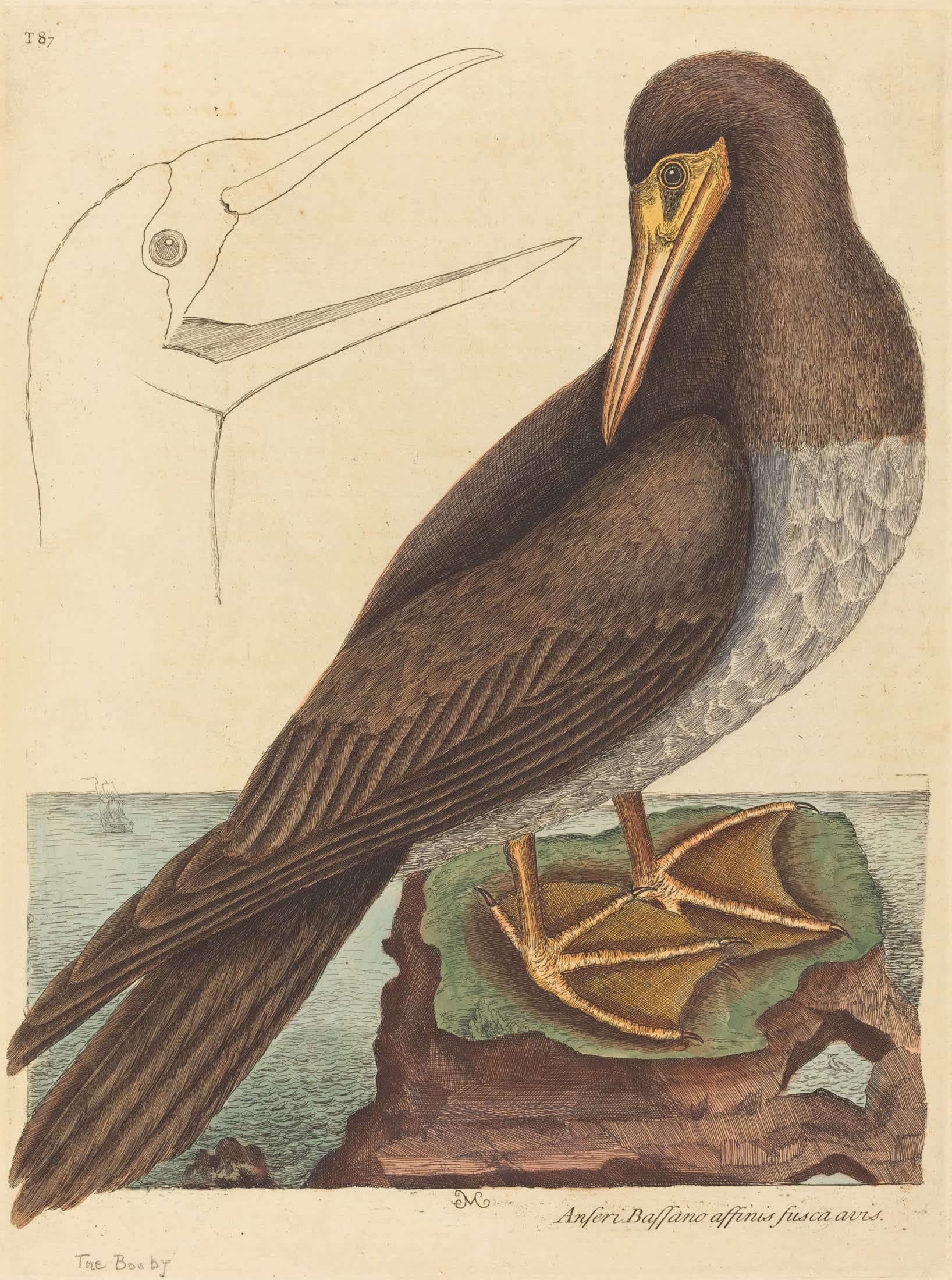
The Booby
A seabird named for its trusting lack of fear — with a ship on the horizon.
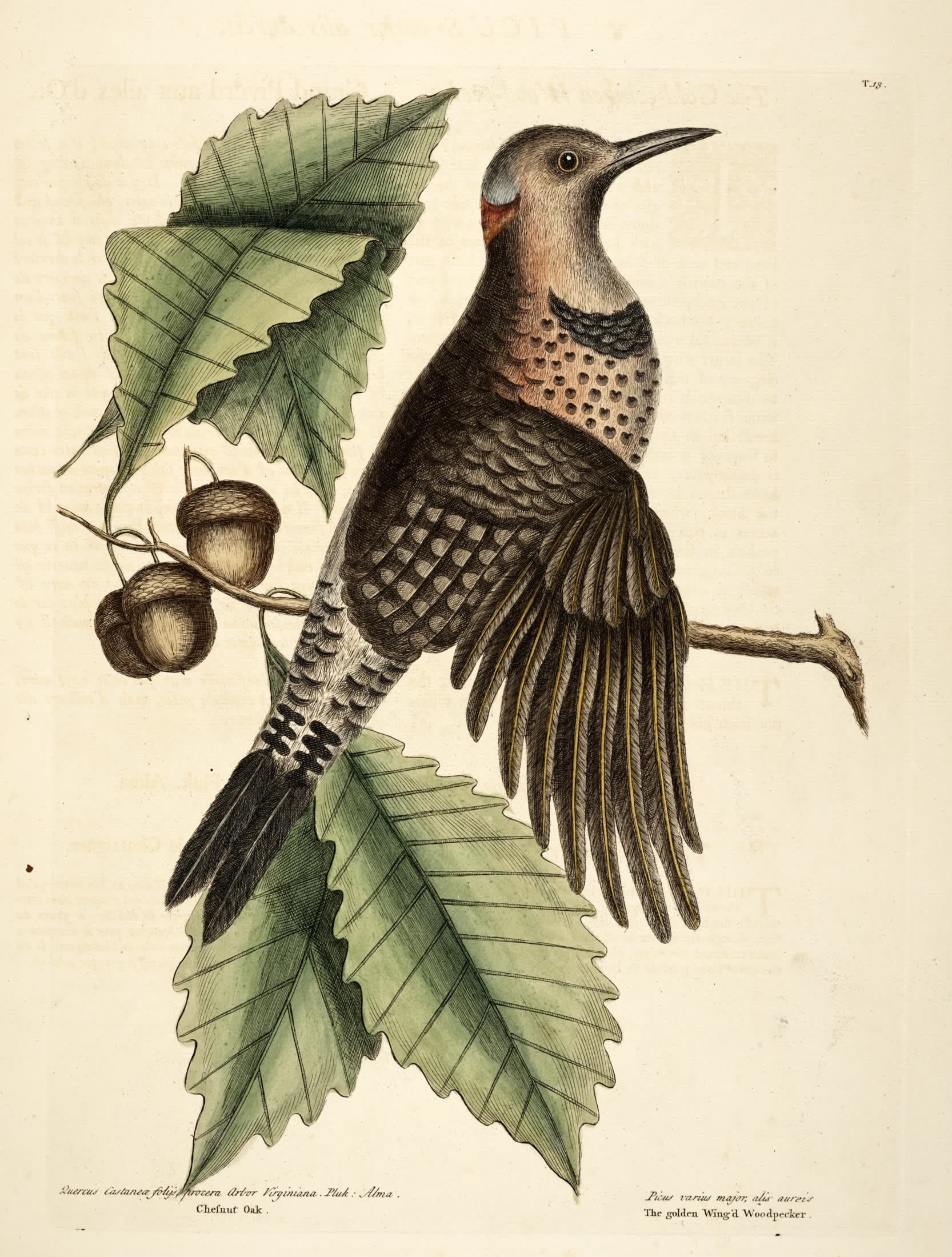
The Golden-Winged Woodpecker
A flicker on a chestnut oak branch, paired the way Catesby paired every specimen.
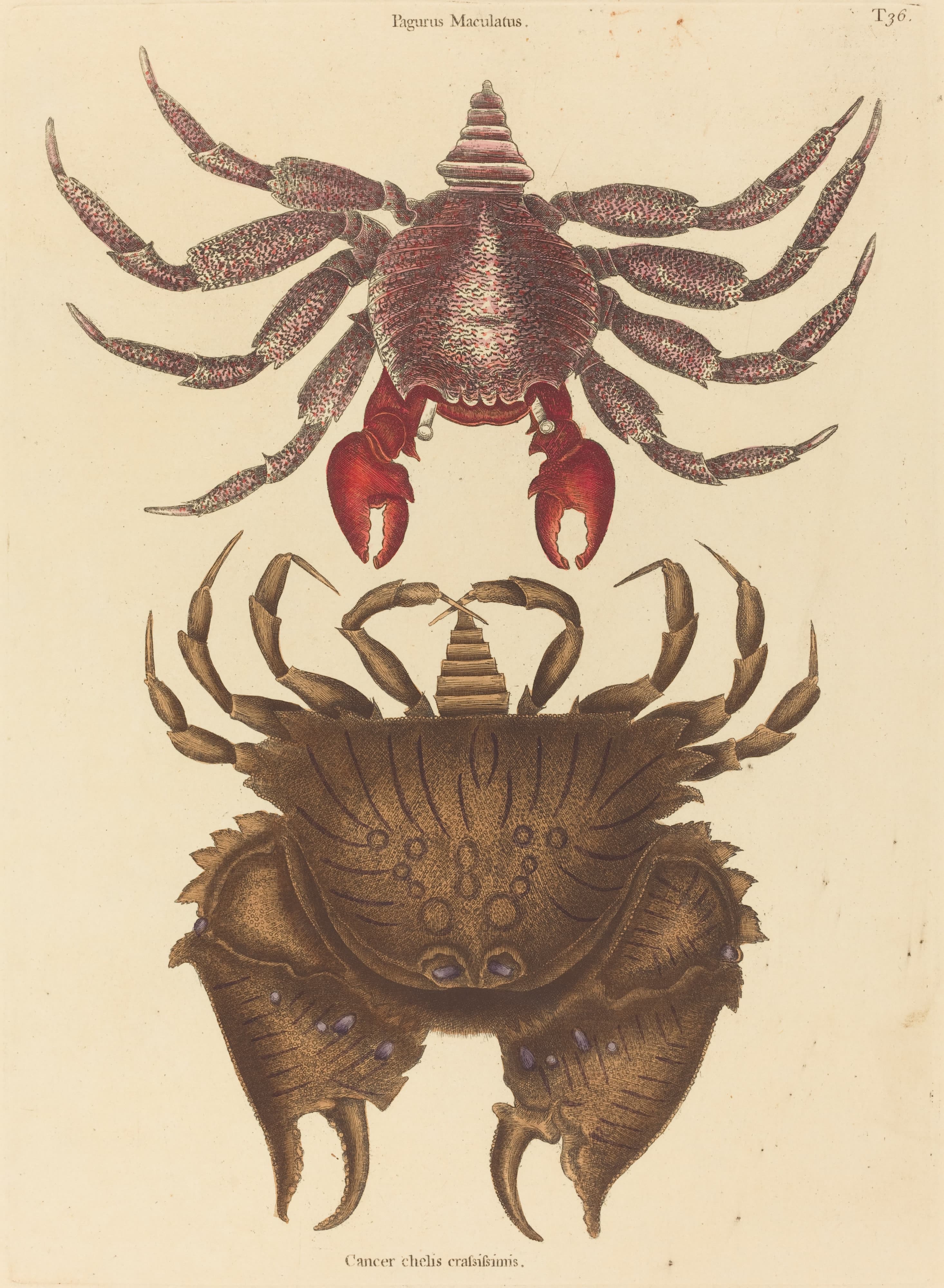
The Red Mottled Rock-Crab
Two crabs, two angles — Catesby’s Natural History steps outside the aviary.
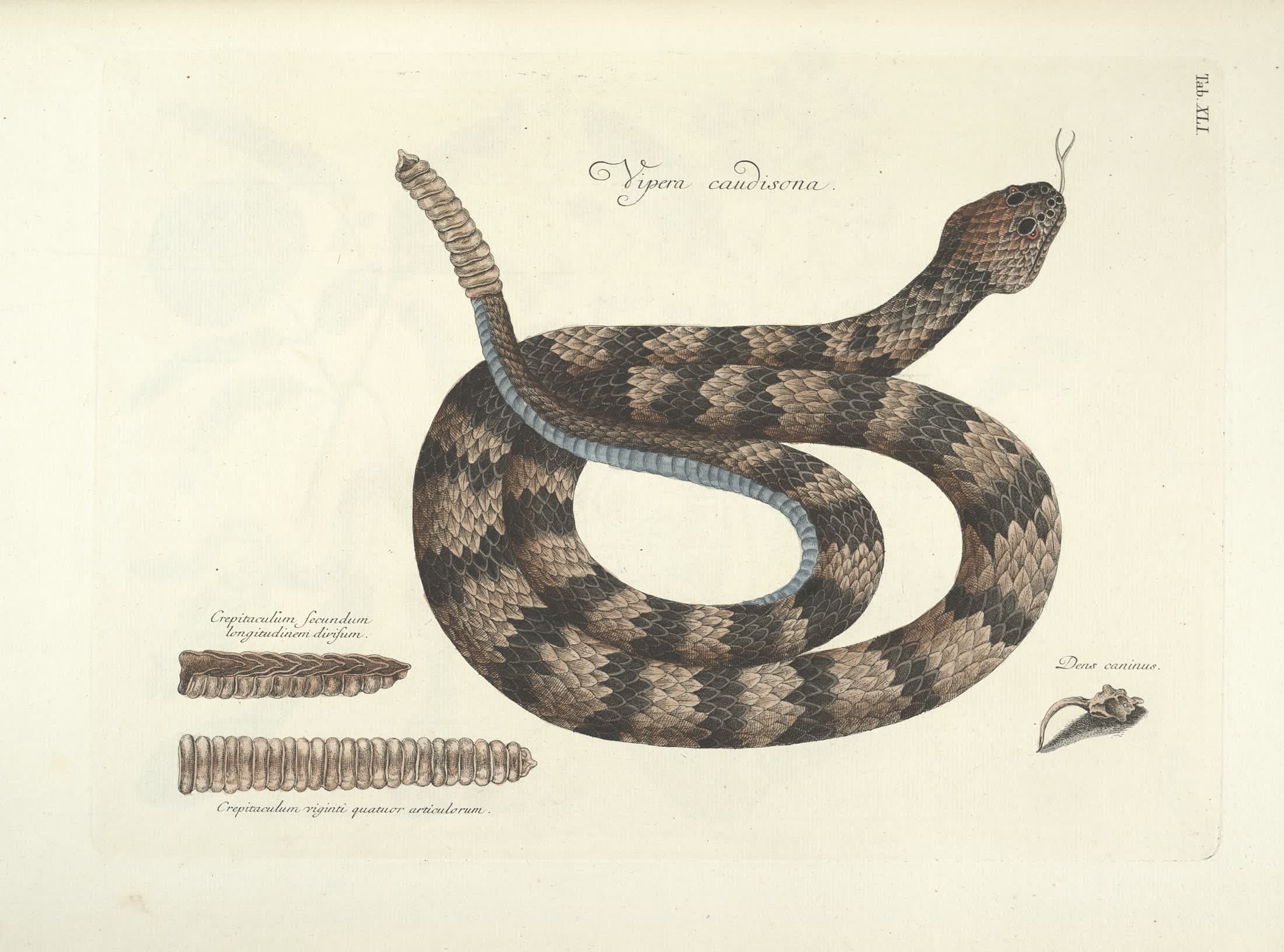
The Timber Rattlesnake
A coiled rattlesnake, with its rattle and fang isolated for study.
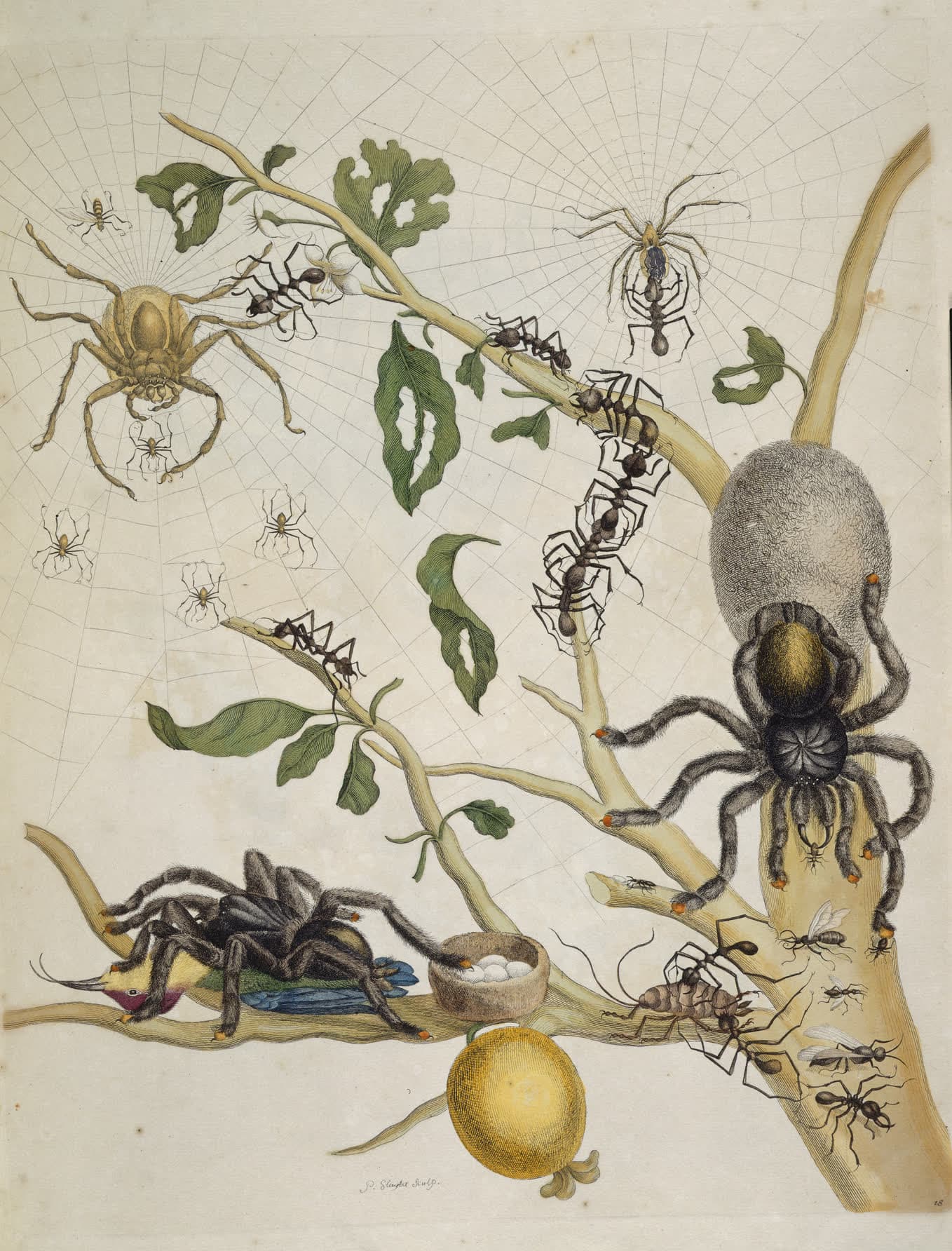
Spiders, Ants, and a Hummingbird
The plate that convinced no one in Europe — until it was confirmed true.
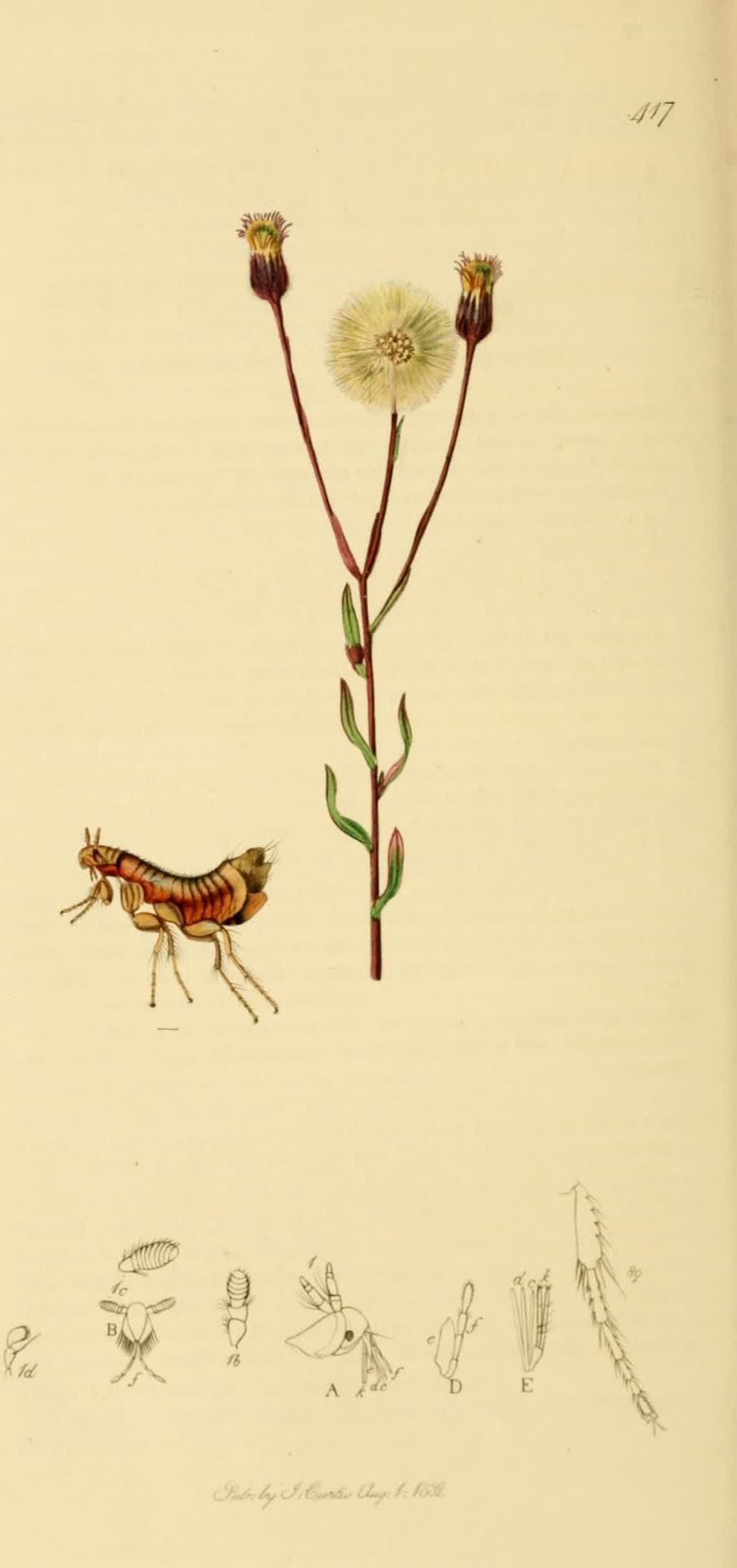
The Bat’s Flea, with Fleabane
A single insect, paired with the plant that supposedly repelled its whole order.
The Cartographer
Piranesi's Rome and the old world's great cities, etched at obsessive scale.
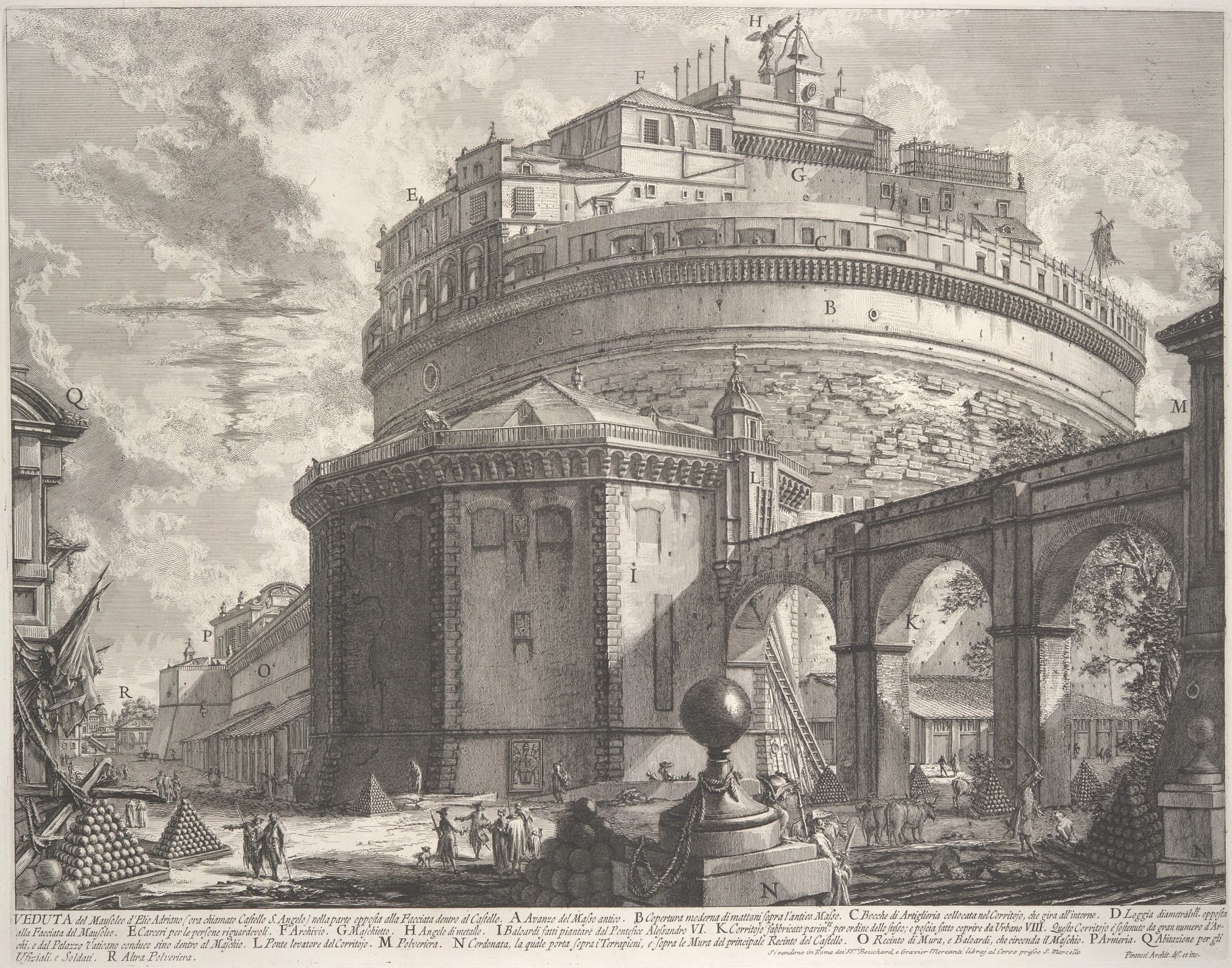
The Mausoleum of Hadrian
Piranesi's Rome — the fortress that was once an emperor's tomb.
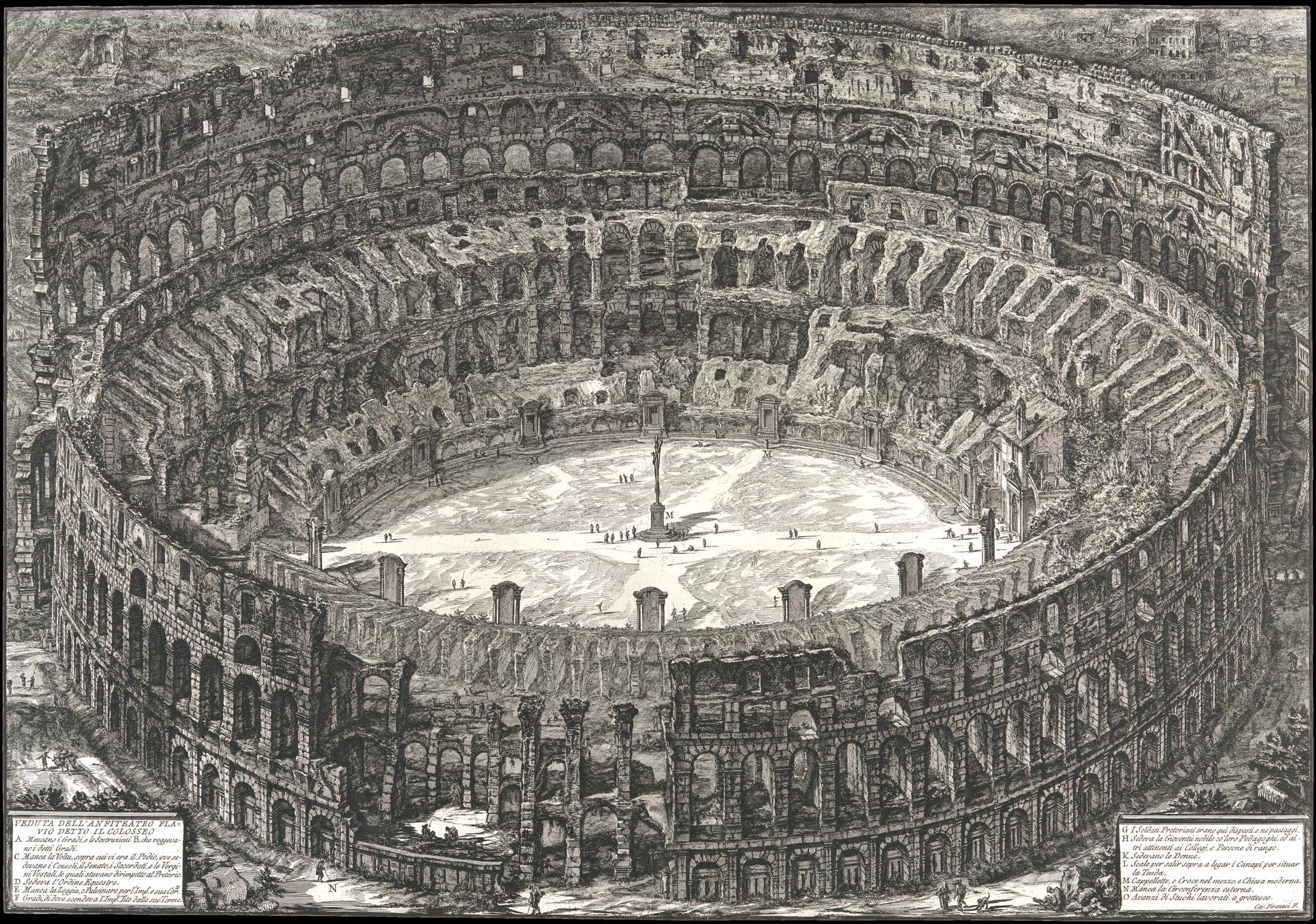
The Colosseum
Piranesi's Rome — the amphitheater that outlasted the empire.
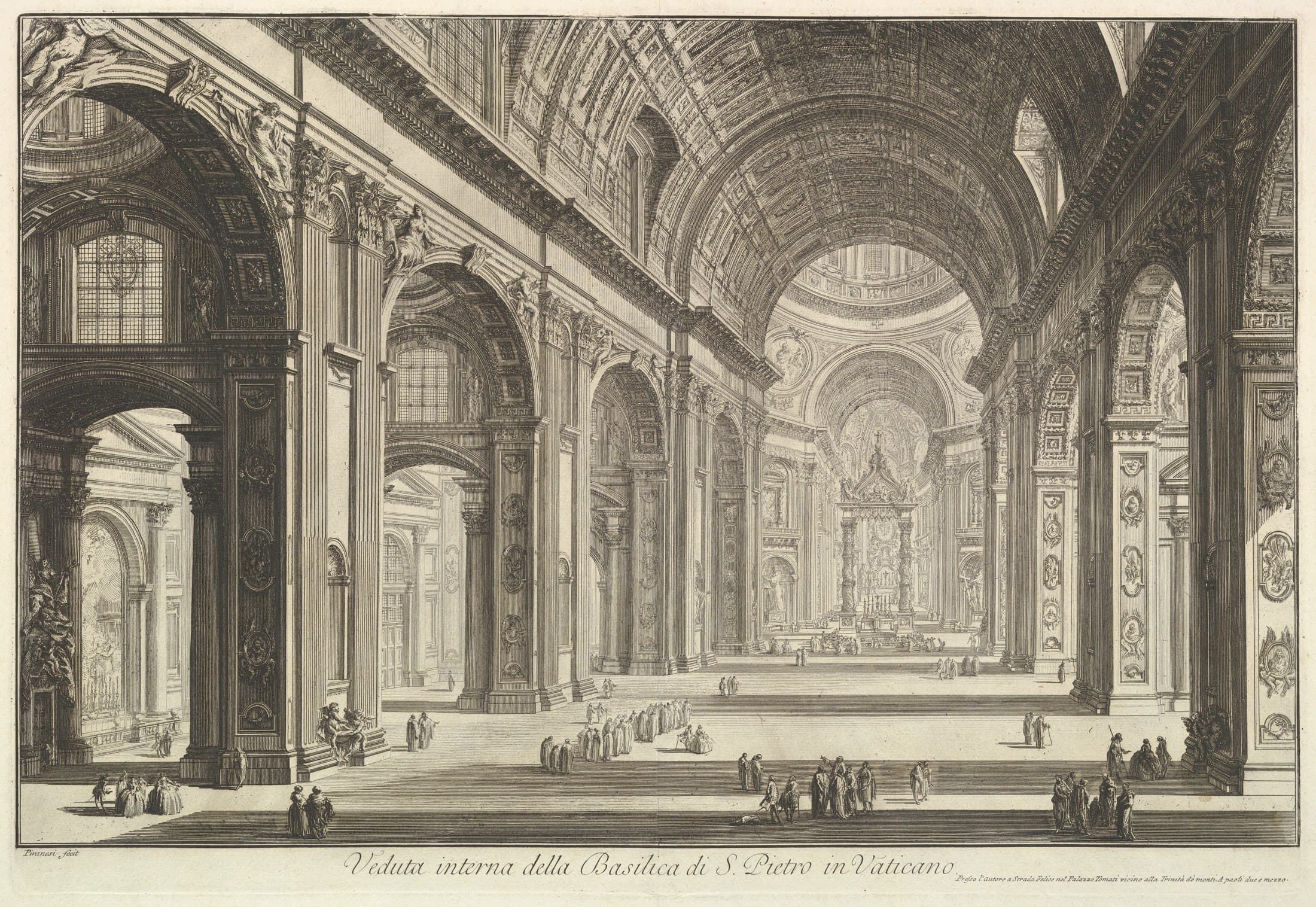
The Interior of St. Peter's Basilica
Piranesi's Rome — the nave built to make a visitor feel small.
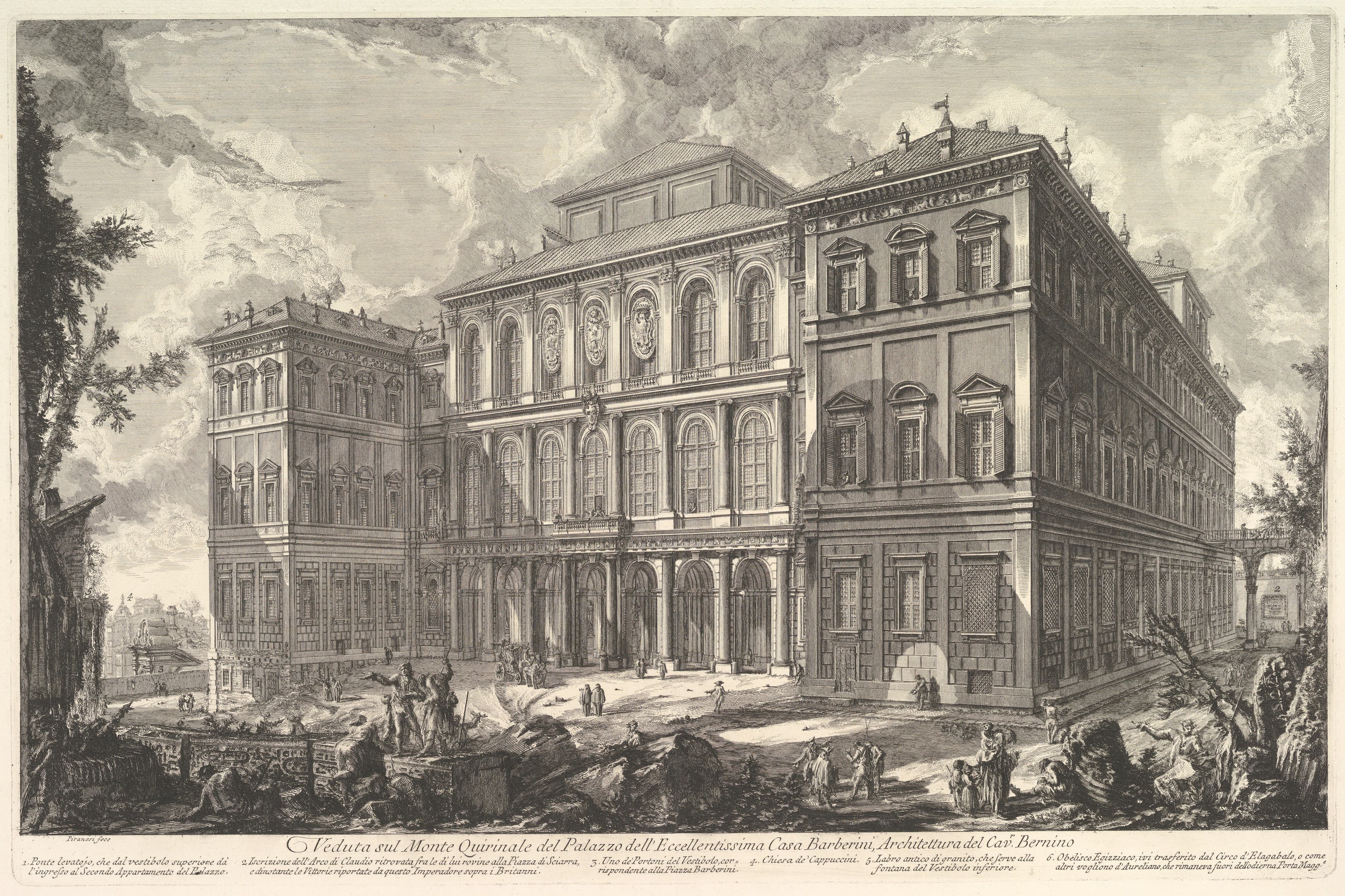
The Palazzo Barberini
Piranesi's Rome — Bernini's palace for one of the city's great dynasties.
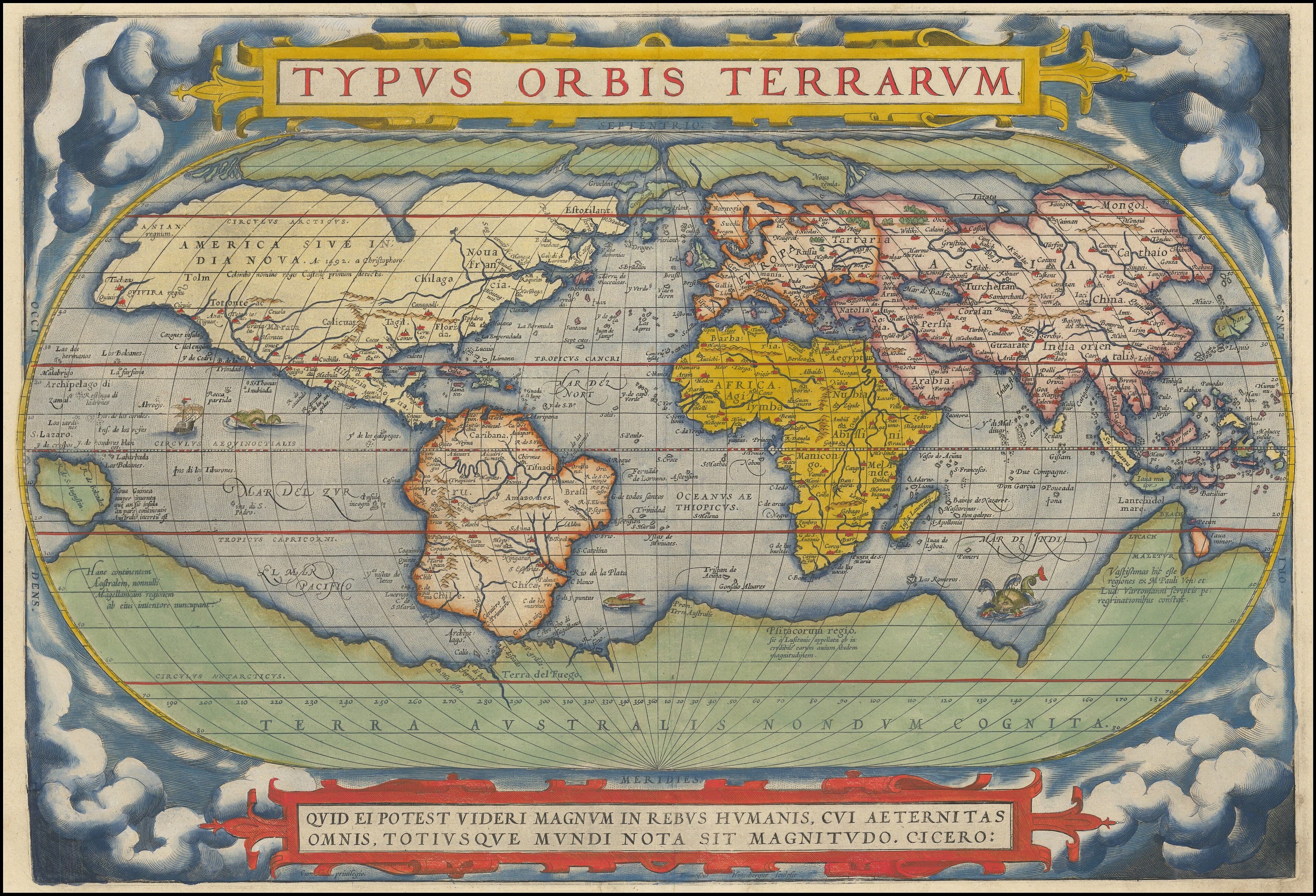
Typus Orbis Terrarum
The first modern atlas map of the whole known world.
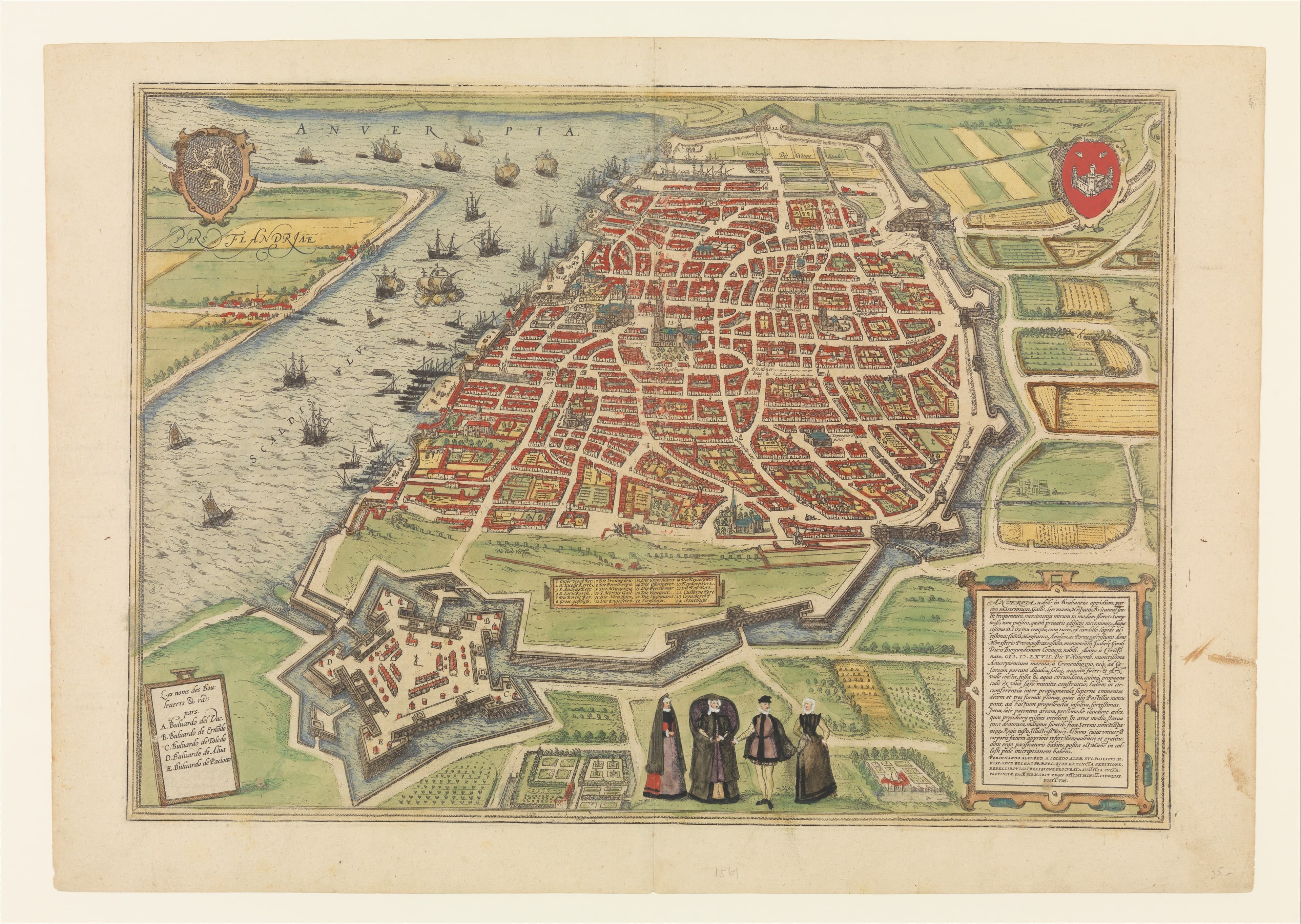
View of Antwerp
A bird’s-eye map of the great Flemish port, ships crowding the Scheldt.
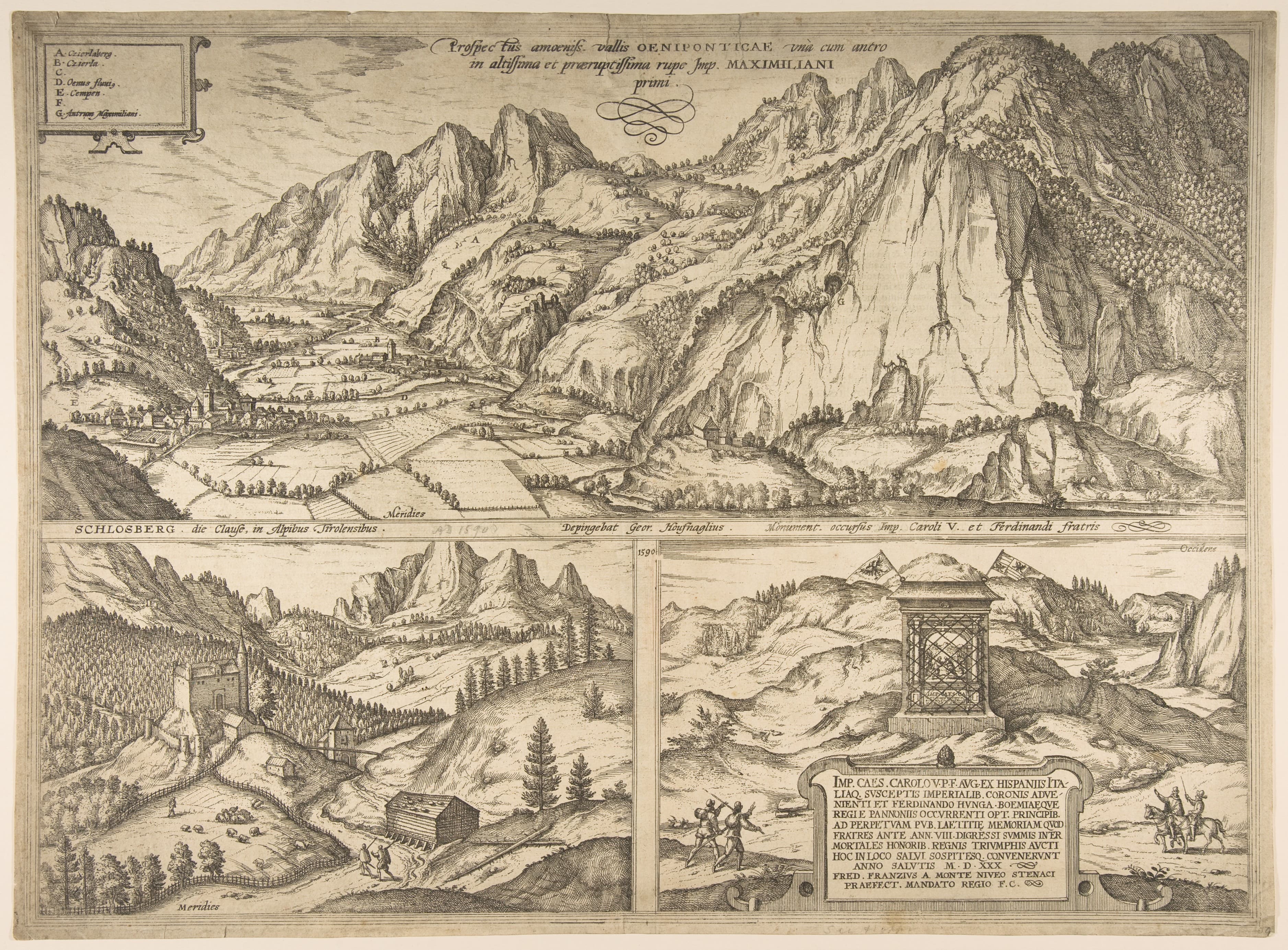
The Inn Valley
An Alpine valley view, with an emperor’s monument set into its own inset panel.
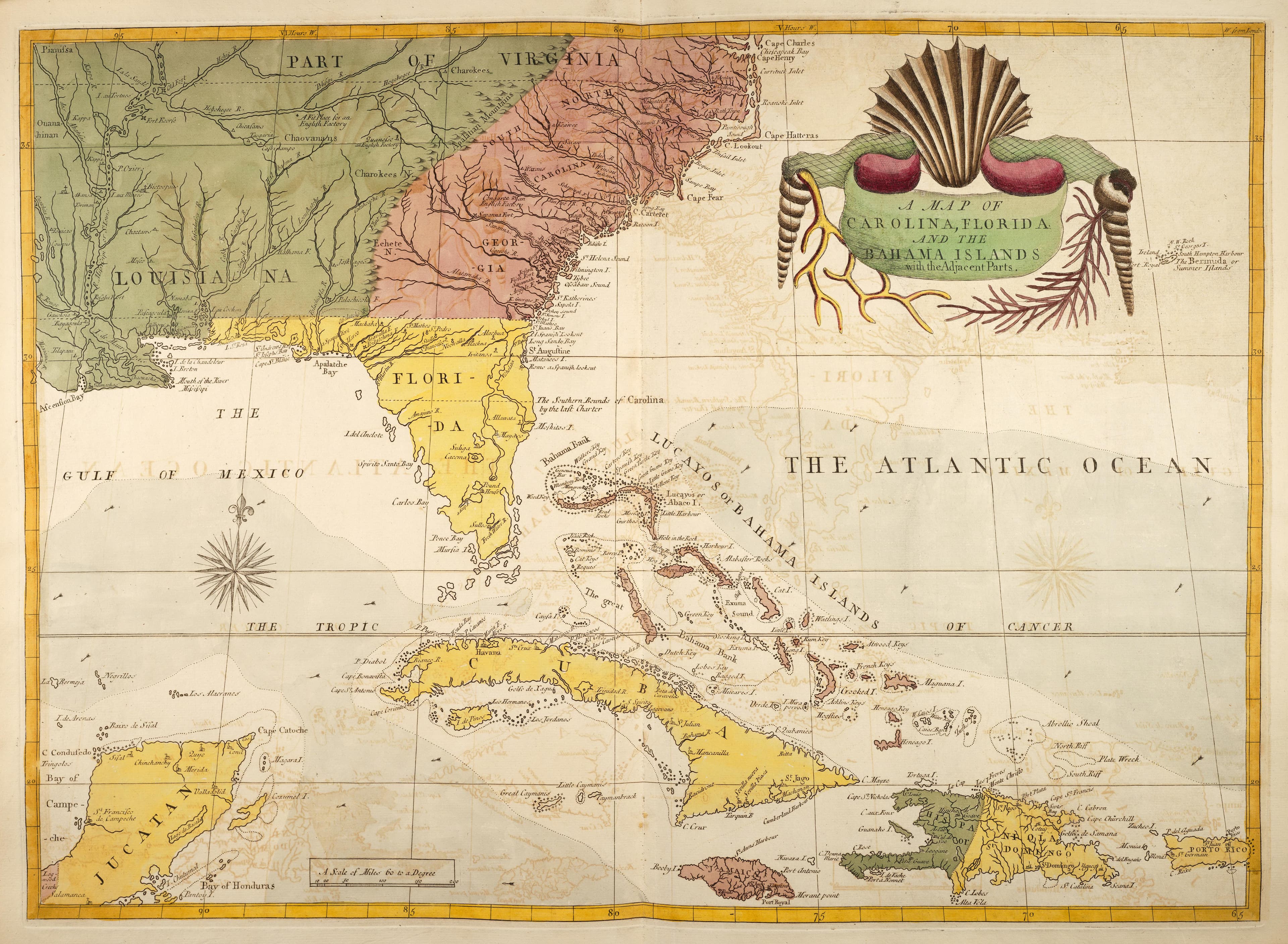
A Map of Carolina, Florida, and the Bahama Islands
A naturalist’s own map of the coastline he spent a decade surveying on foot.
Antiquities & Manuscripts
Engravers beyond Piranesi’s Rome, and a handful of illuminated leaves — see also our sibling shop The Scriptorium for the full manuscript canon.
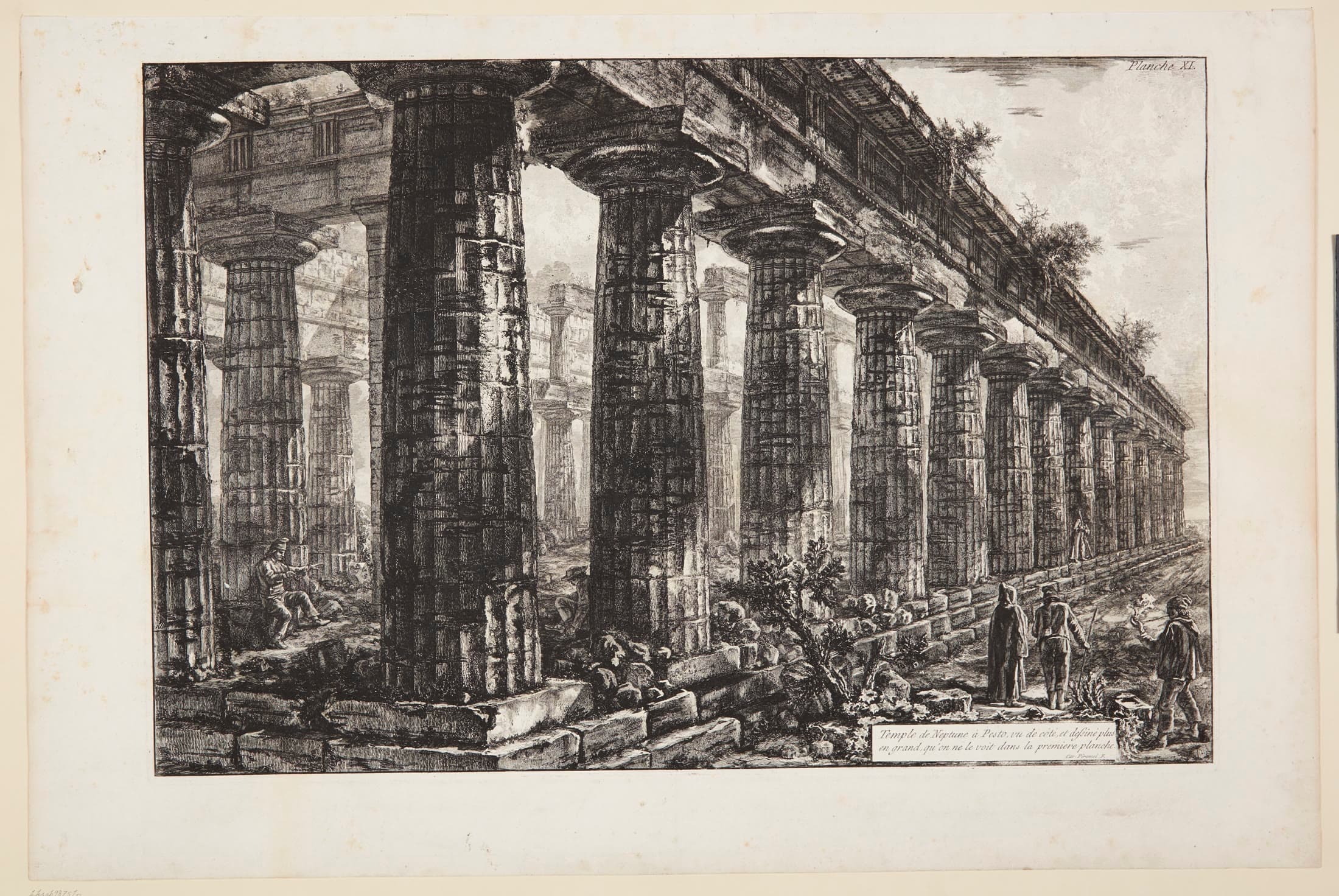
The Temple of Neptune at Paestum
Piranesi's last series — Greek columns older than Rome itself.
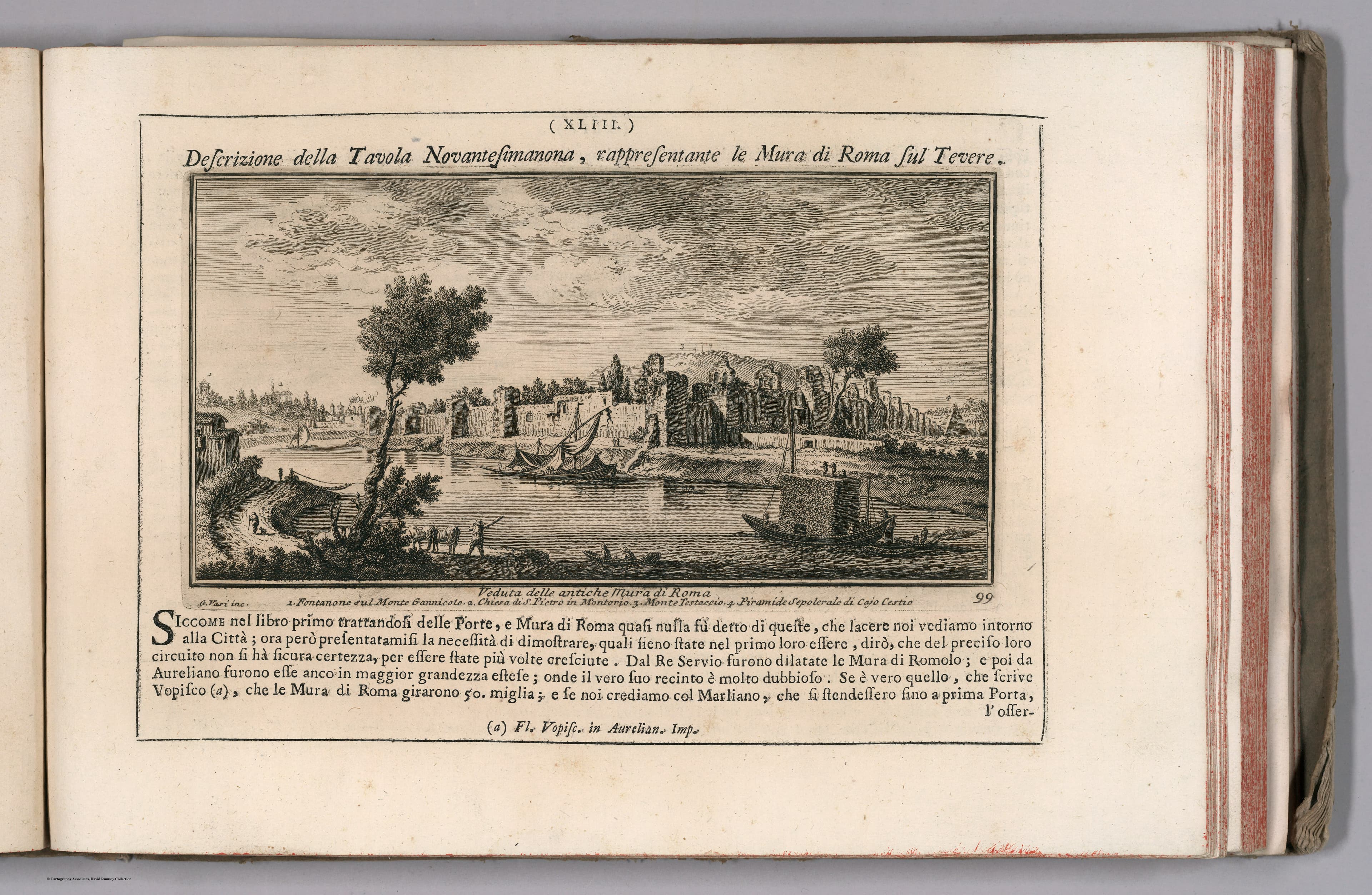
The Ancient Walls of Rome
Piranesi's own teacher, etching the ruins that trained him.
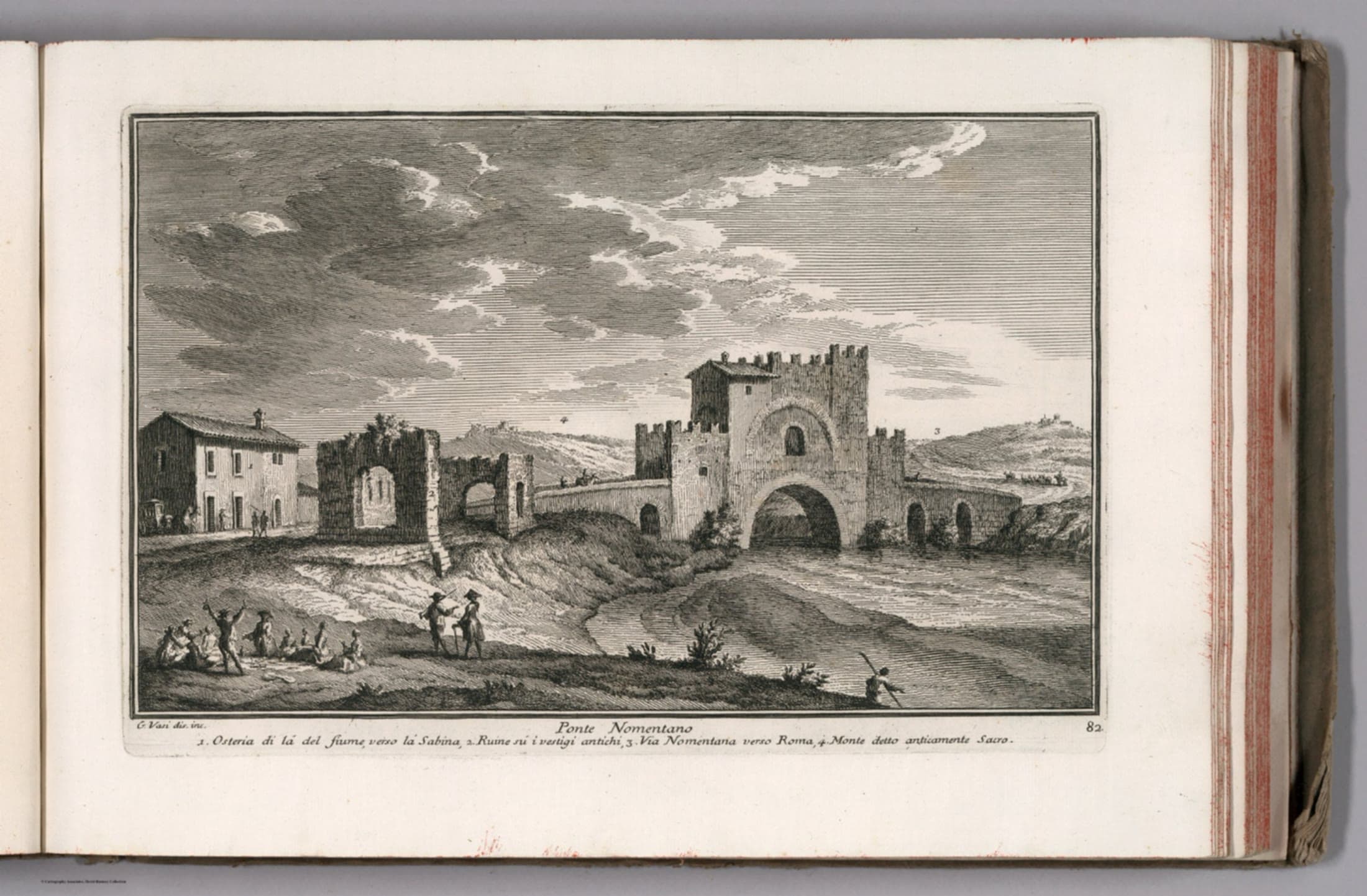
Ponte Nomentano
Vasi's Rome — an ancient bridge still carrying travelers on the Via Nomentana.
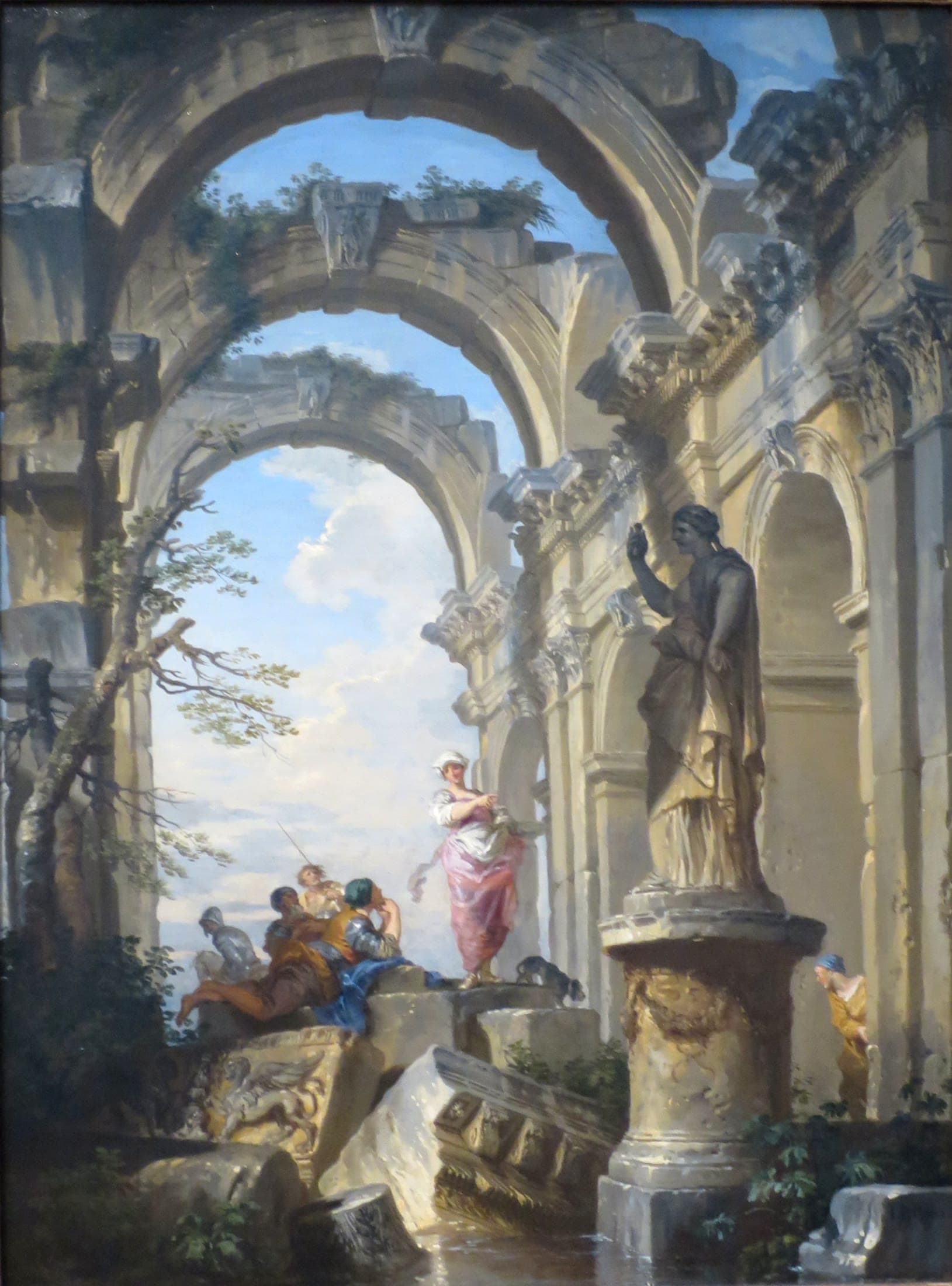
Ruins with the Cumaean Sibyl
A painted capriccio — Roman ruins that never stood together, imagined as one.
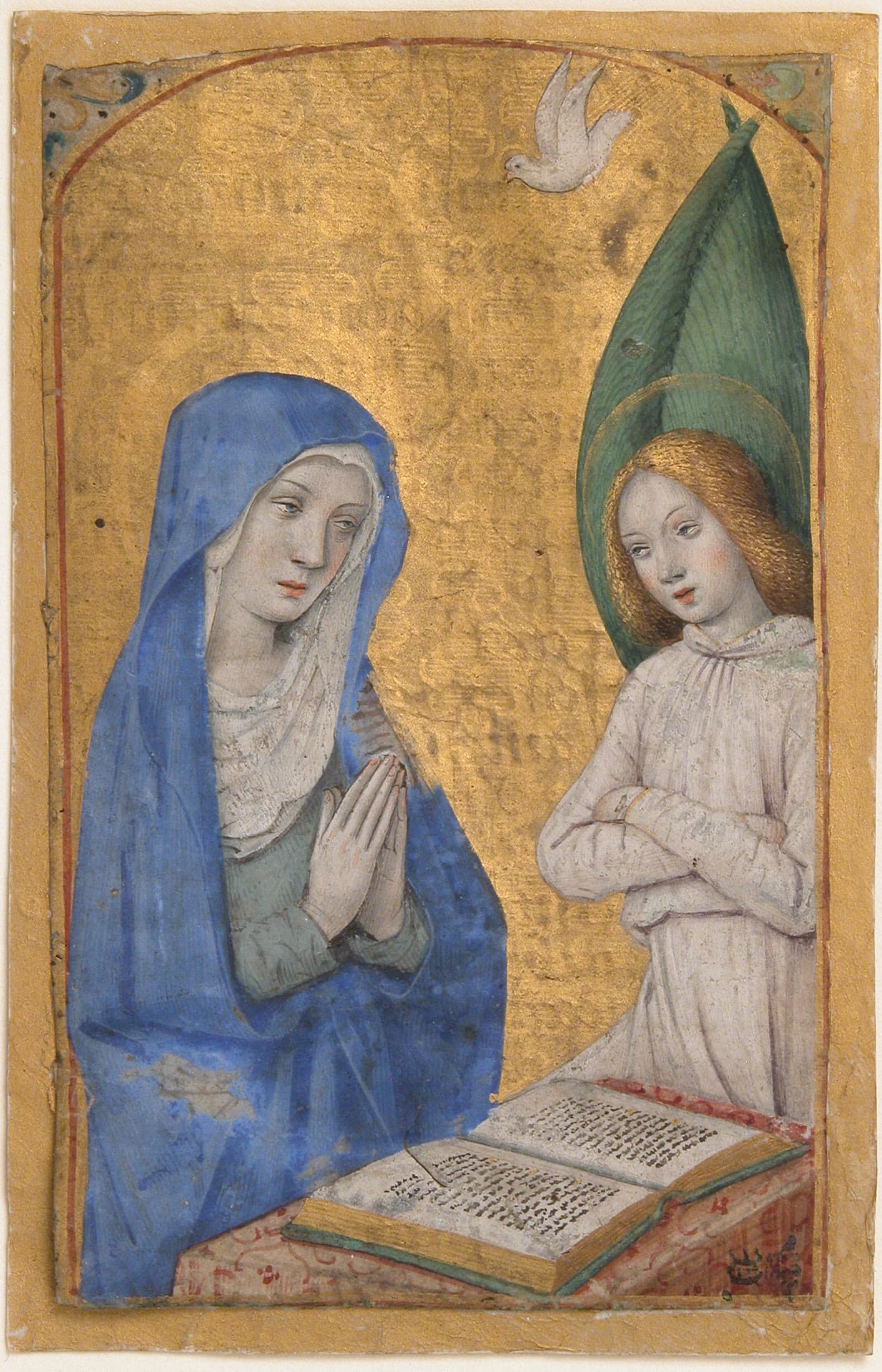
Leaf with the Annunciation
A single page from a medieval Book of Hours, gold leaf still catching the light.
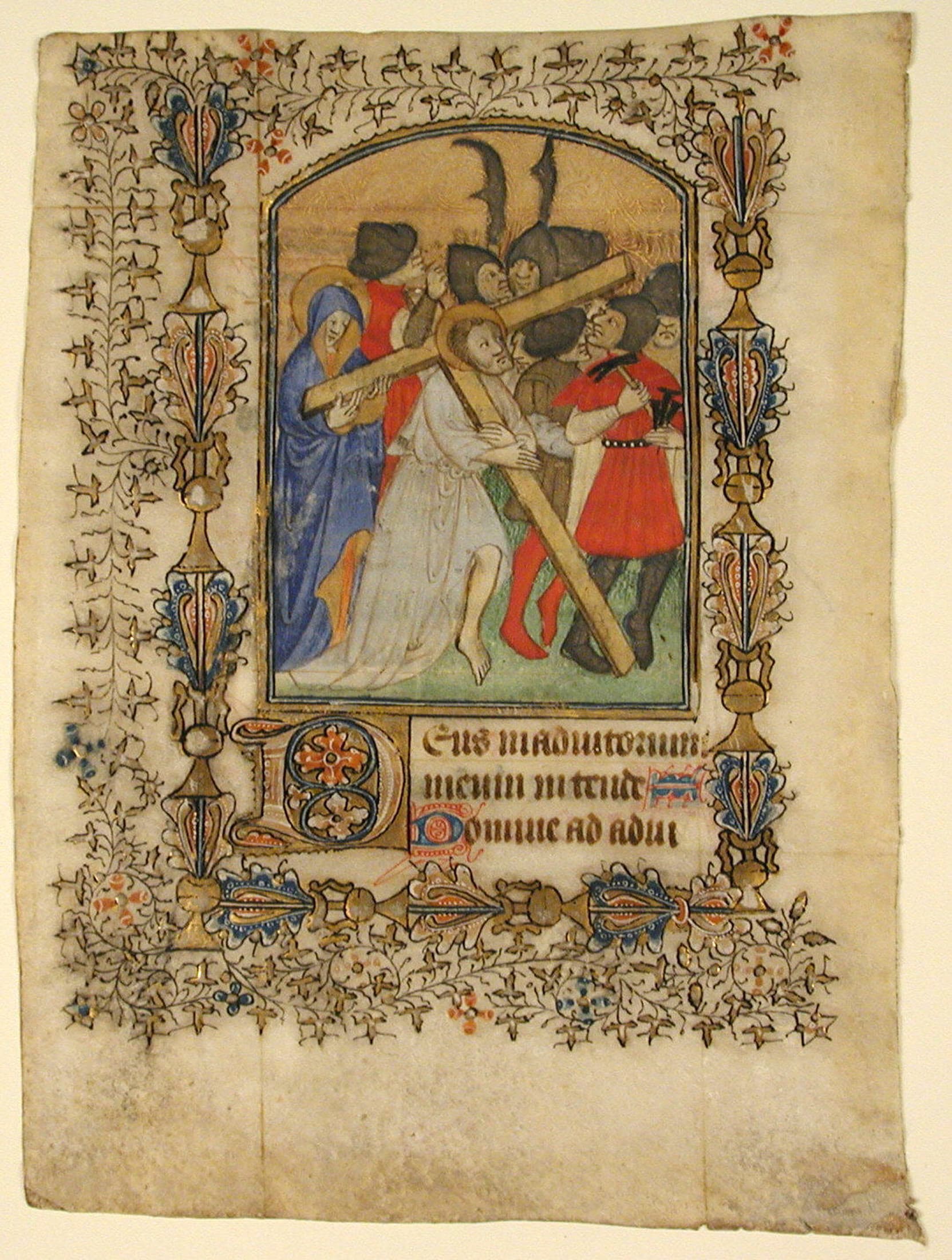
Leaf with an Illuminated Initial D
Christ carrying the cross, framed inside a single gilded letter.
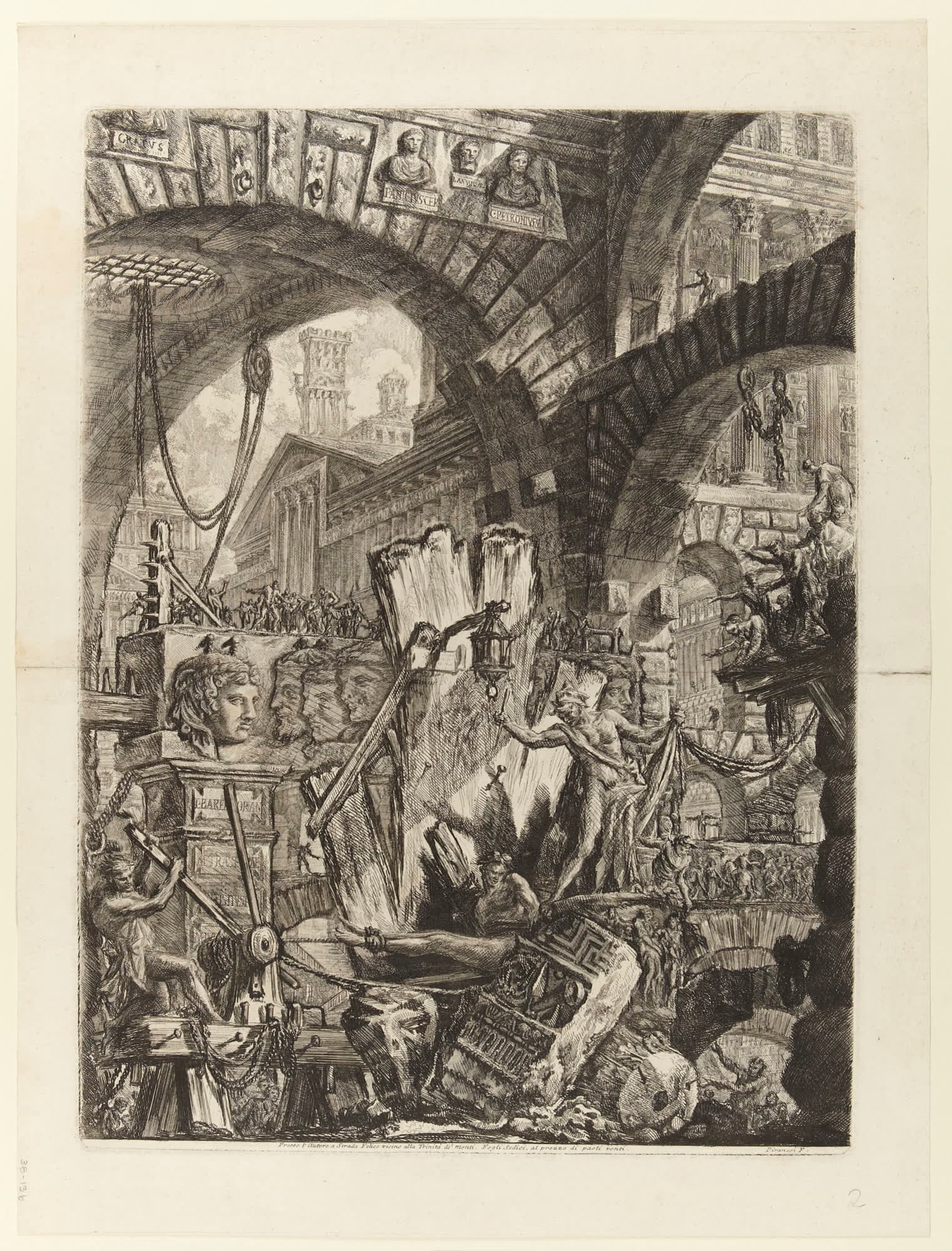
The Man on the Rack
The most famous plate in Piranesi’s Imaginary Prisons — architecture that never existed, imagined into terrifying scale.
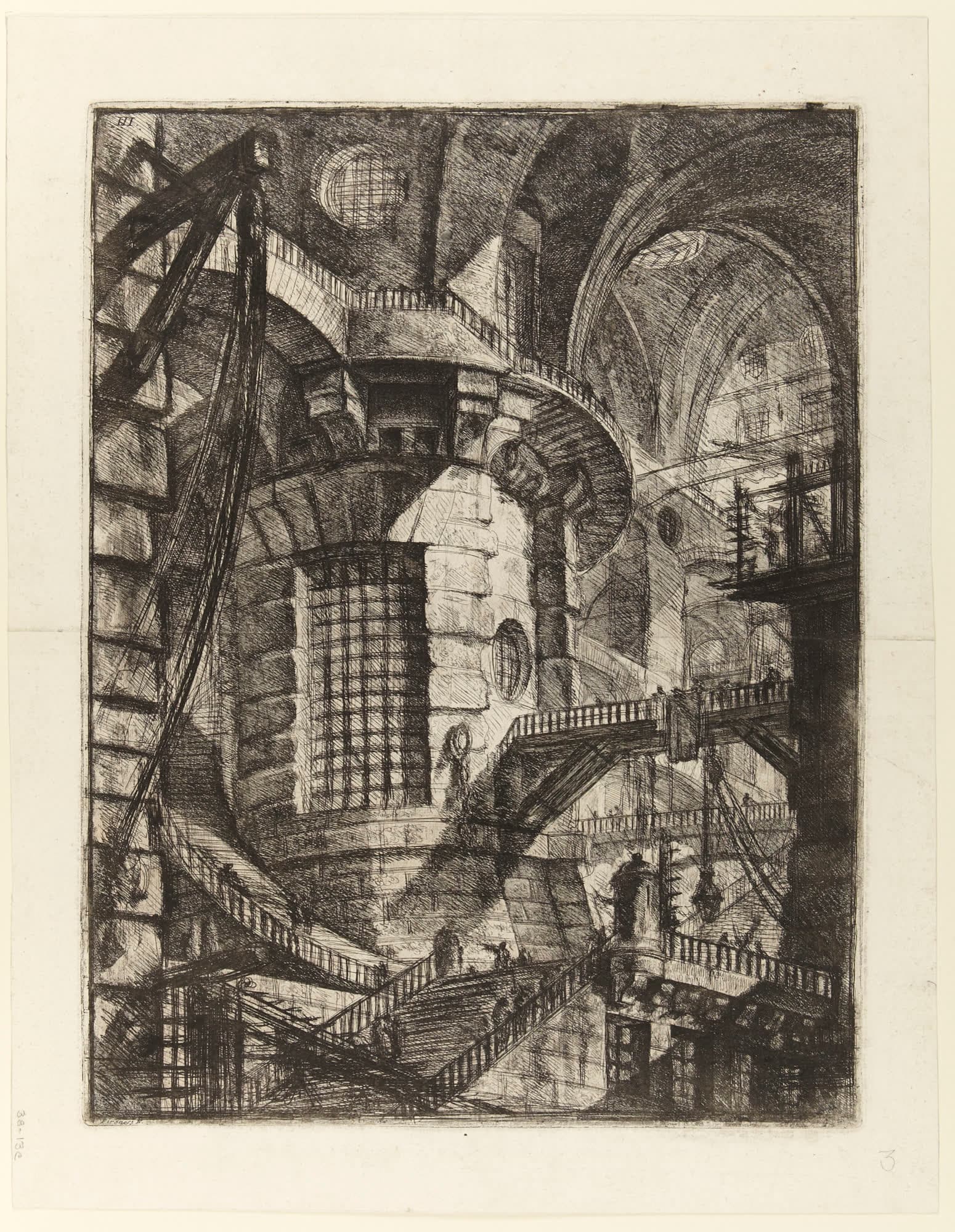
The Round Tower
A drum tower wrapped in spiral stairways, from Piranesi’s Imaginary Prisons.
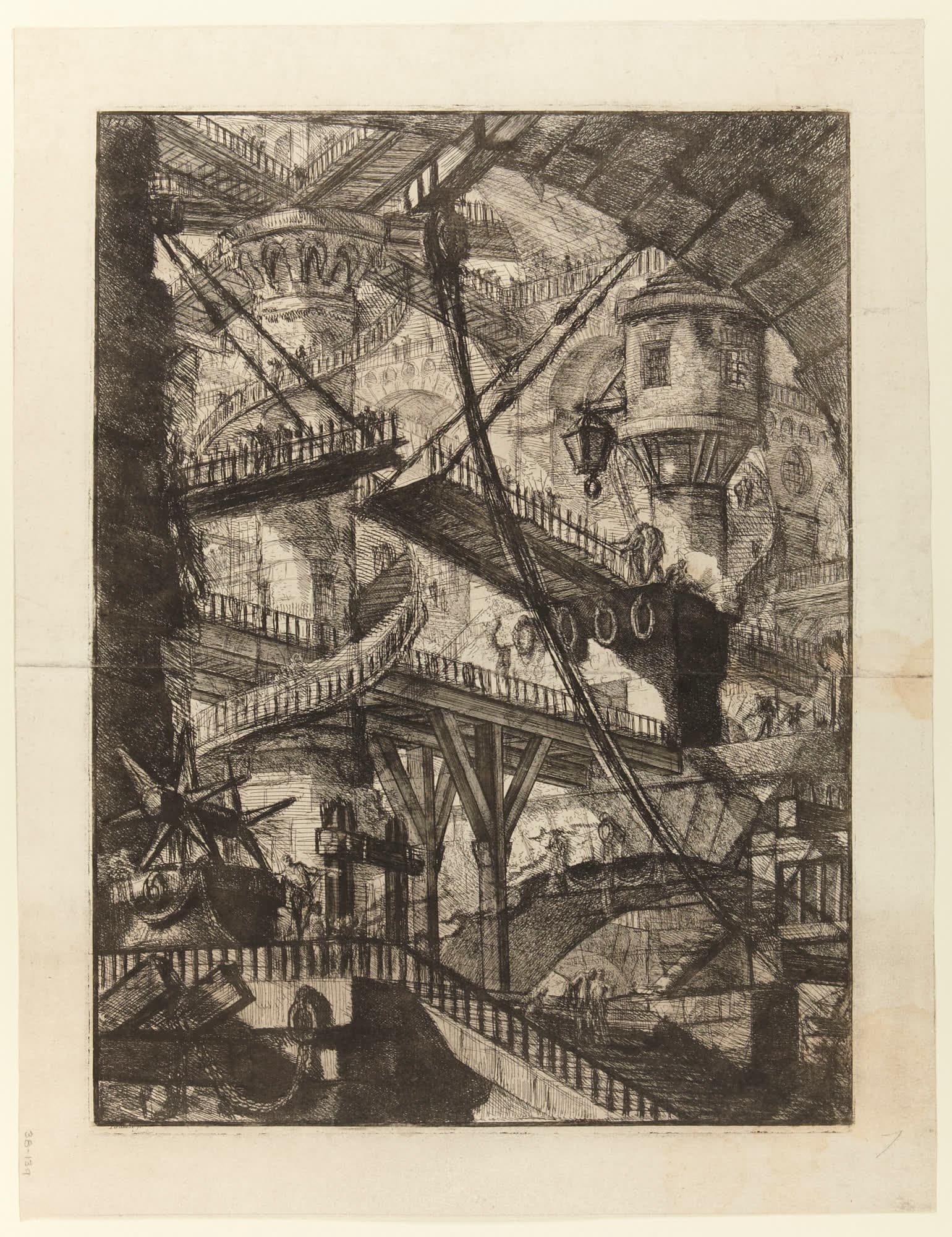
The Drawbridge
A raised drawbridge stranding a stairway mid-span, from Piranesi’s Imaginary Prisons.
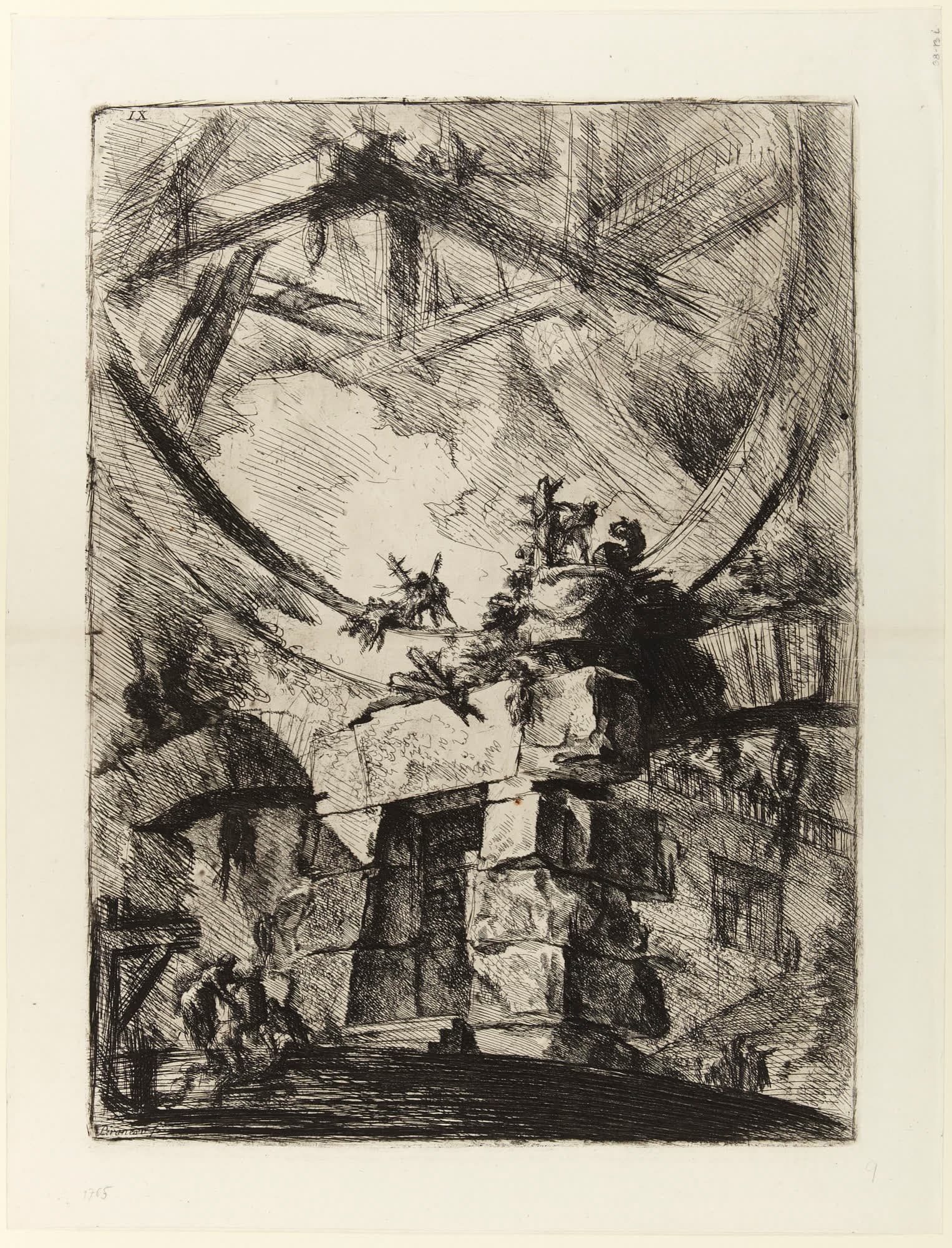
The Giant Wheel
A colossal wheel-and-pulley mechanism looms over a Roman gatehouse, from Piranesi’s Imaginary Prisons.
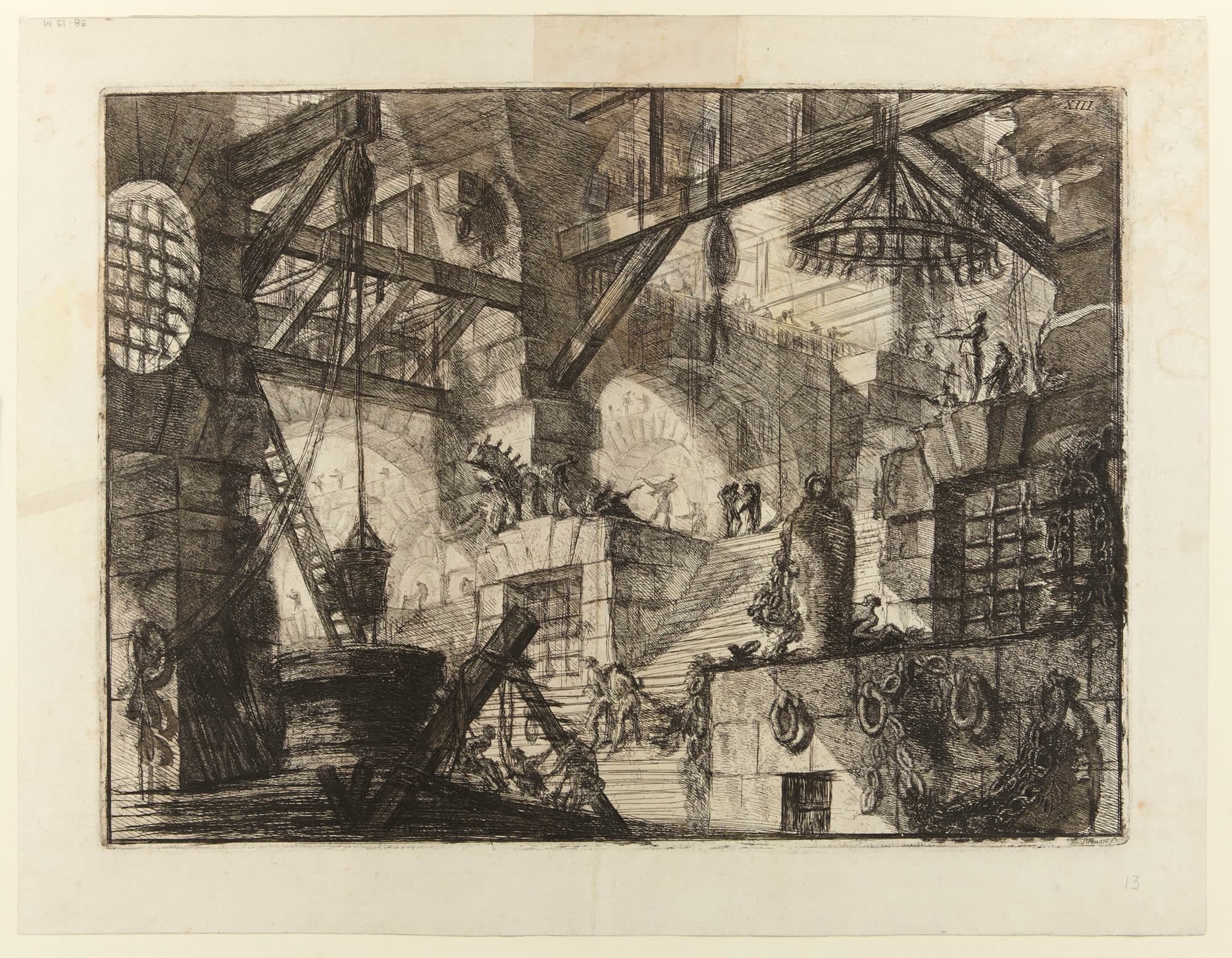
The Well
A deep shaft under a crane and rigging, one of the darkest plates in Piranesi’s Imaginary Prisons.