The Temple of Neptune at Paestum
Piranesi's last series — Greek columns older than Rome itself.
- Work
- Temple de Neptune à Pesto, vu de côté, from Différentes vues de Pesto
- Artist / naturalist
- Giovanni Battista Piranesi
- Origin & date
- Rome, 1778
- Held by
- Wikimedia Commons (Statens Museum for Kunst)
Format
The full-resolution scan, color-managed to the source — yours to print, study, and keep.
Size
$19.00
The story
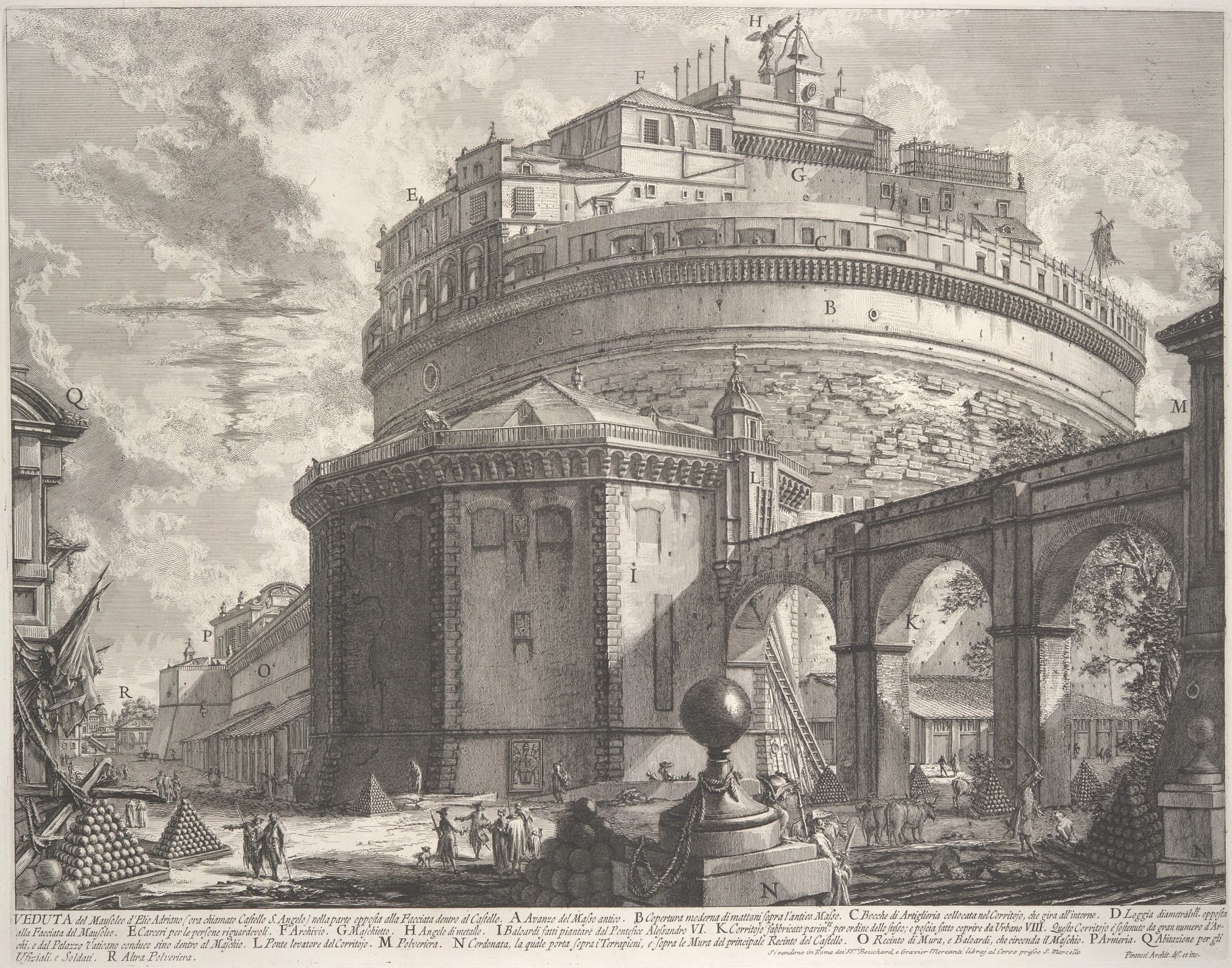
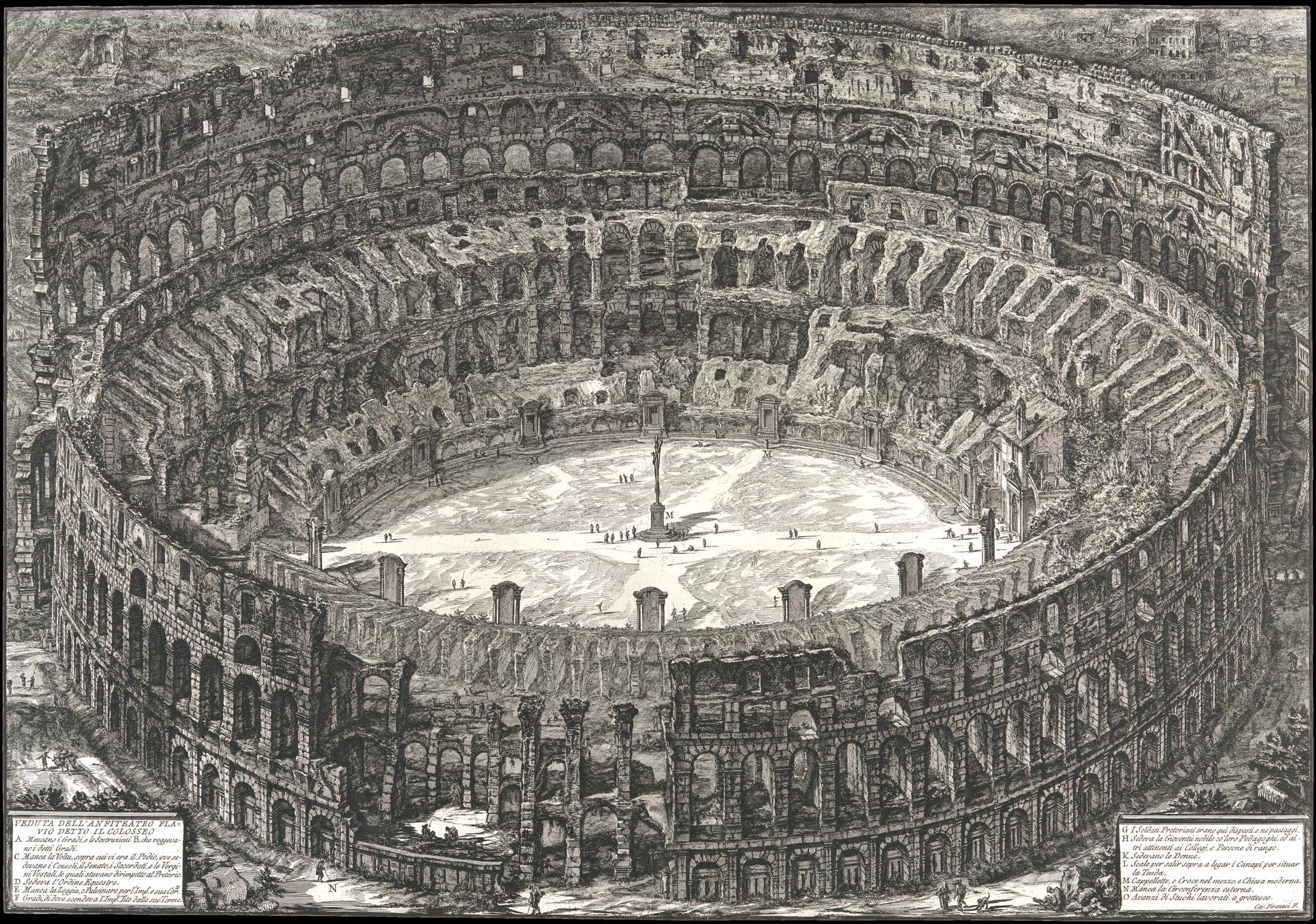
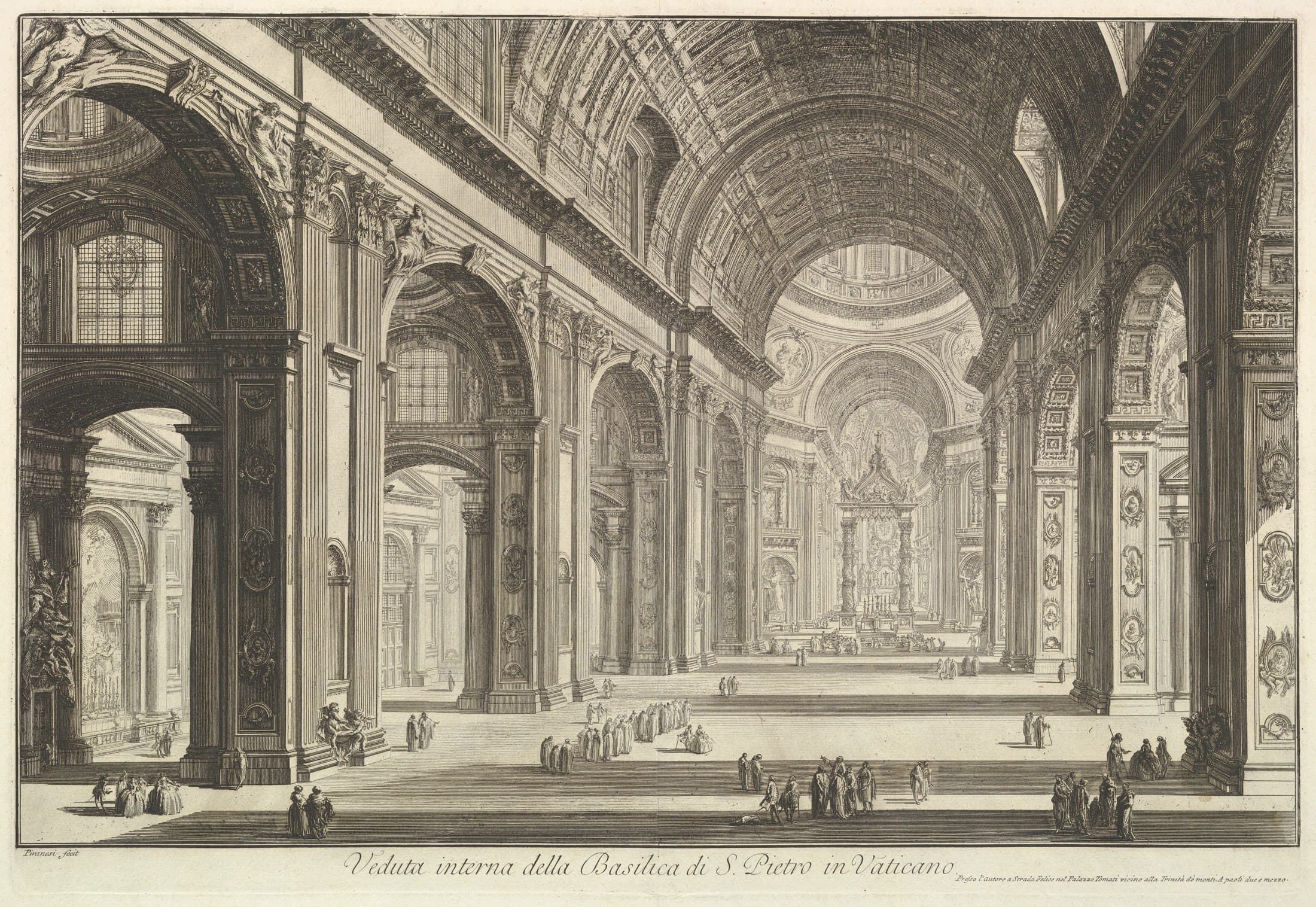
In the final years of his life, Piranesi turned from Rome to Paestum, a Greek colonial city south of Naples whose Doric temples — built centuries before Rome existed as more than a village — had been rediscovered by 18th-century road builders after a millennium buried in coastal scrub. This 1778 plate, from the last series Piranesi completed before his death that same year, shows the so-called Temple of Neptune from a side angle deliberately chosen to show more of the colonnade than his own first plate of the same building had captured. What to notice: Piranesi's late Paestum plates trade the operatic ruin-drama of his Roman Vedute for something closer to architectural record-keeping — tiny figures still populate the scene, but the columns themselves, not the decay around them, carry the whole composition.
About this reproduction
- Faithful reproduction of a public-domain work, sourced from Wikimedia Commons (Statens Museum for Kunst)’s open-access release.
- Printed to order on 200gsm EMA matte art paper: smooth, no glare.
- Color-managed to the source scan.
- Ships in 5–8 business days; satisfaction guarantee.