The Red Mottled Rock-Crab
Two crabs, two angles — Catesby’s Natural History steps outside the aviary.
- Work
- The Red Mottled Rock-Crab (Cancer grapsus), from The Natural History of Carolina, Florida and the Bahama Islands
- Artist / naturalist
- Mark Catesby
- Origin & date
- London, 1731–1743
- Held by
- Wikimedia Commons (National Gallery of Art)
Format
The full-resolution scan, color-managed to the source — yours to print, study, and keep.
Size
$19.00
The story
Not every plate in Catesby's Natural History is a bird: this one records a rock crab from two angles, a full dorsal view above and a study of the underside and claws below, the kind of paired documentation a working naturalist needed to actually identify a specimen rather than just admire it. Catesby collected across the Carolinas, Georgia, Florida, and the Bahamas over roughly a decade of fieldwork funded by English subscribers, and his surveys of marine and reptile life alongside birds and plants made his book the first attempt at a genuinely comprehensive natural history of the American Southeast, not merely an ornithology text. What to notice: the crab's mottled red-and-cream shell pattern, individually hand-colored, still reads as a near-exact match for the Sally Lightfoot and related rock crab species found along the same Caribbean and Atlantic coastline today.
About this reproduction
- Faithful reproduction of a public-domain work, sourced from Wikimedia Commons (National Gallery of Art)’s open-access release.
- Printed to order on 200gsm EMA matte art paper: smooth, no glare.
- Color-managed to the source scan.
- Ships in 5–8 business days; satisfaction guarantee.
From the same naturalist
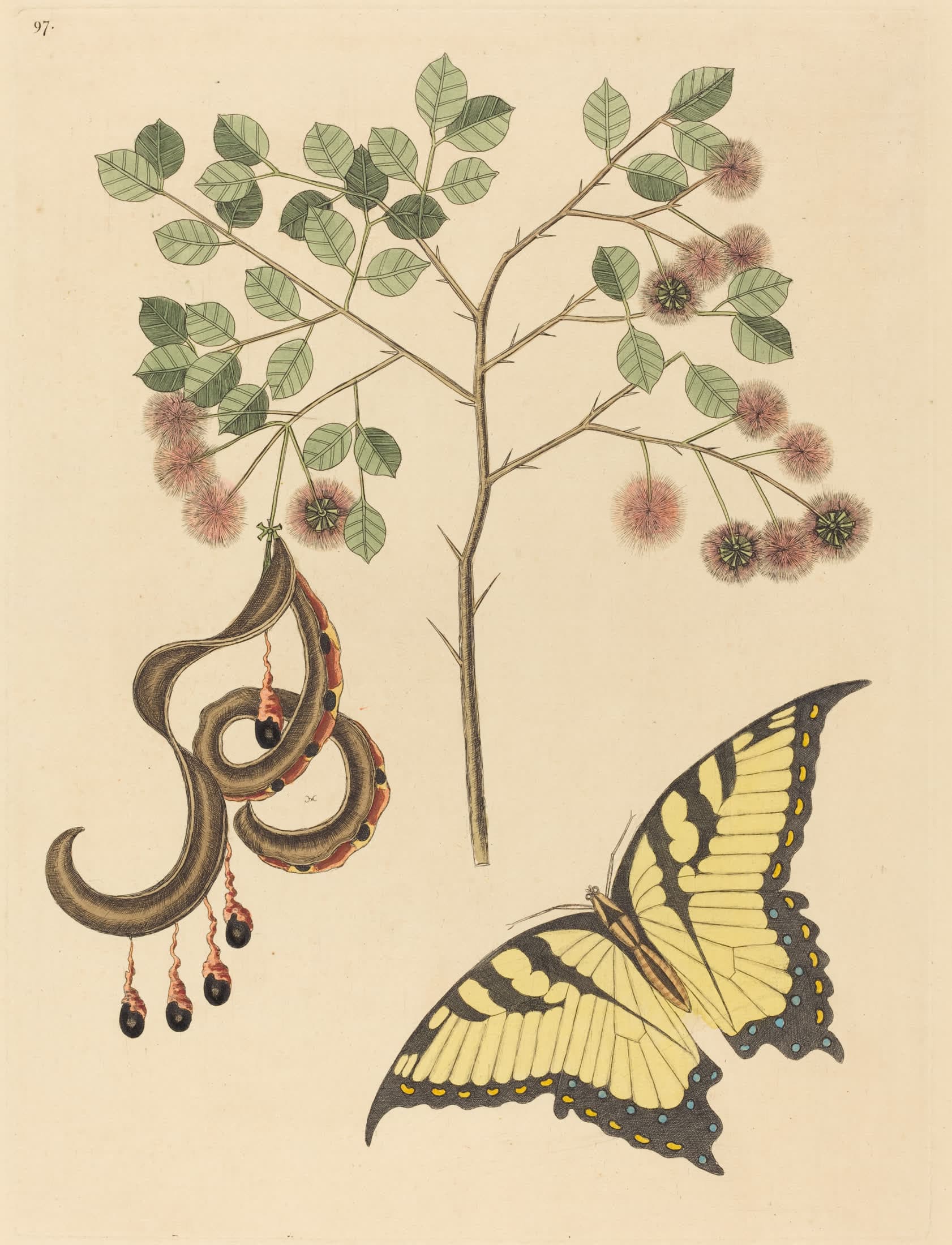
Cat’s Claw, with a Swallowtail
Plant and butterfly, paired the way Catesby paired every specimen in his book.
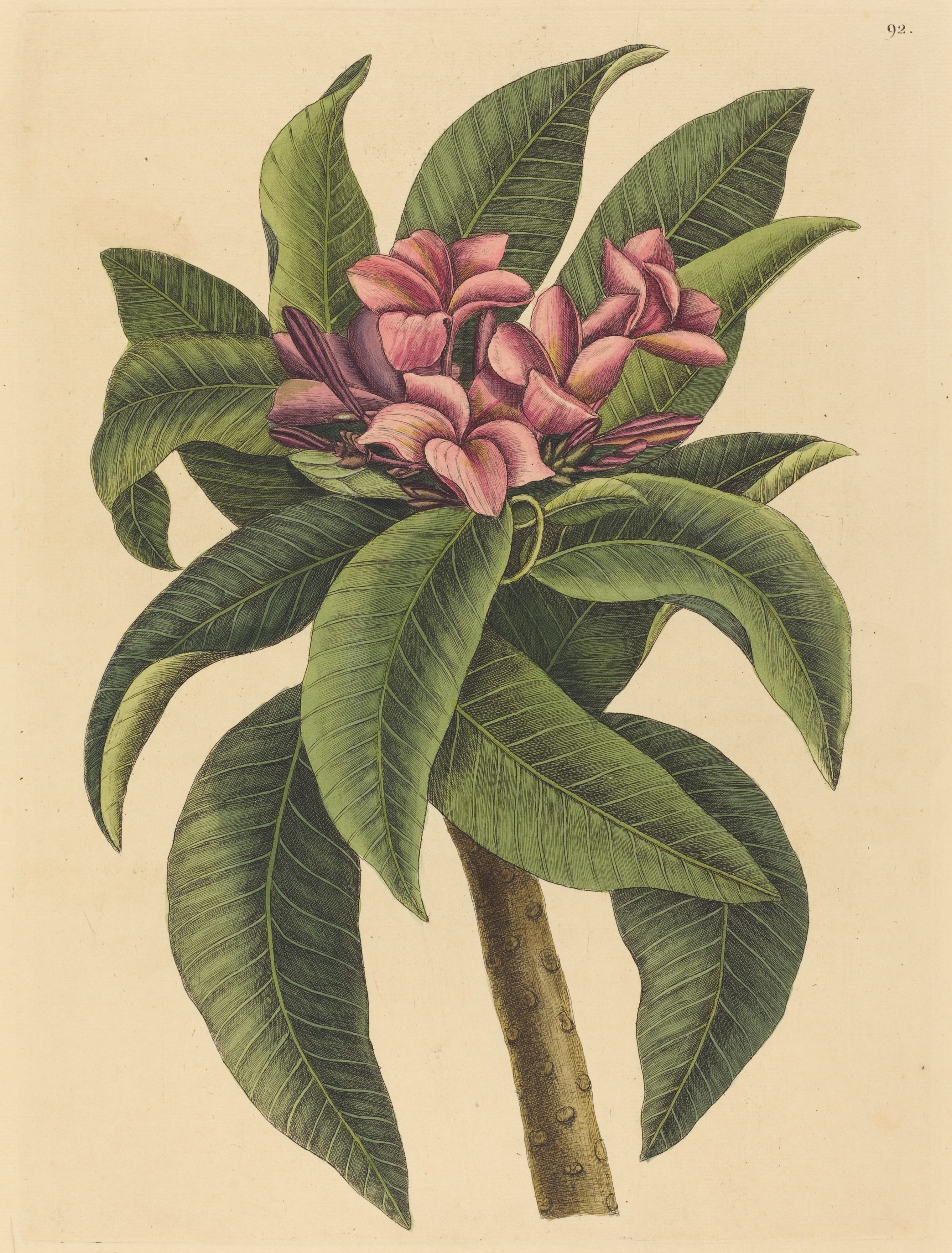
The Red Frangipani
A Caribbean bloom, recorded by the first naturalist to survey the colonial South.
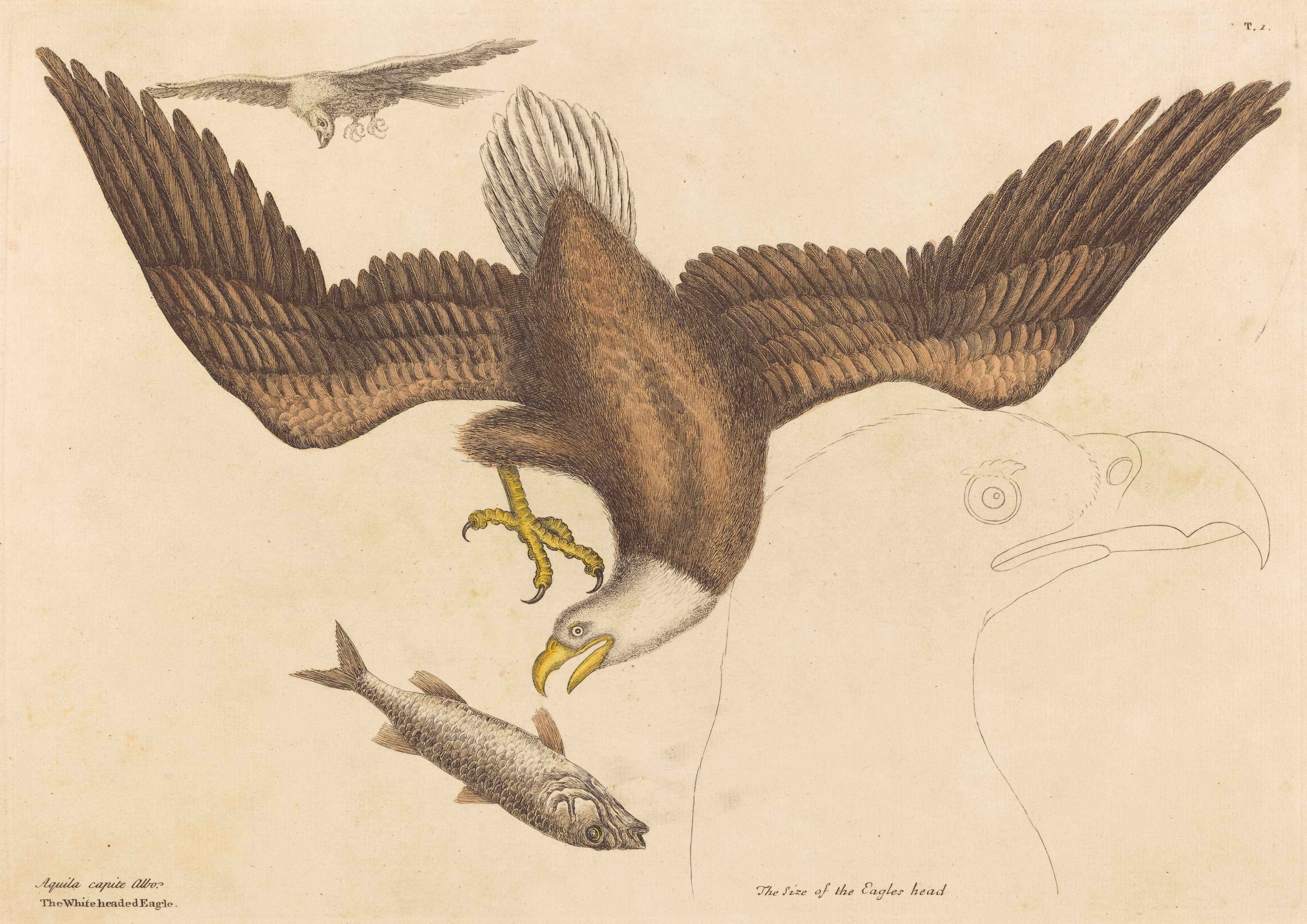
The White-Headed Eagle
The bald eagle, drawn seventy years before it became a national symbol.