Antique botanical plates
The Herbarium
Redouté, Merian, and the Temple of Flora — flowers drawn to be believed.
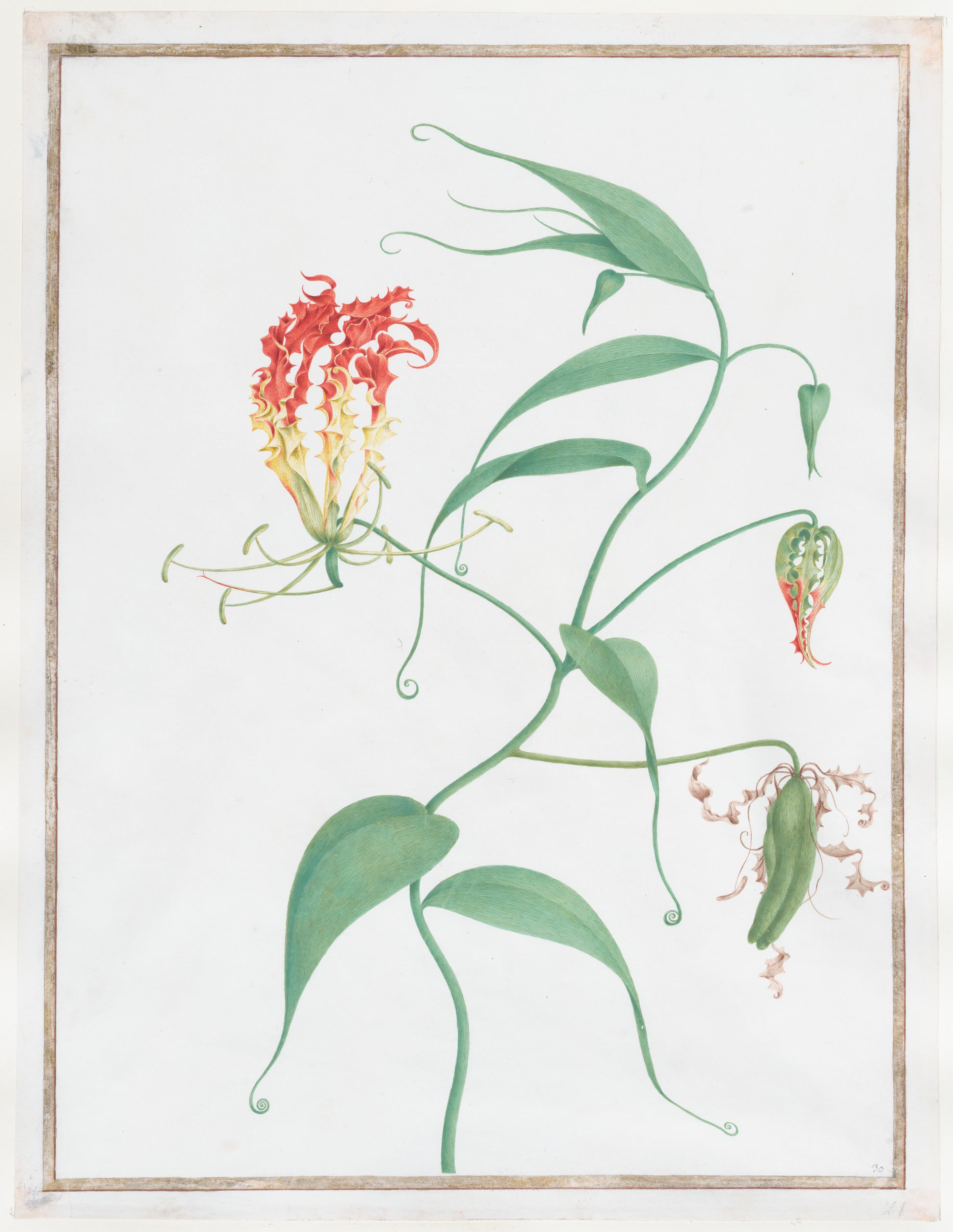
Gloriosa Superba
The climbing lily, in the hand of the man who painted for empresses.
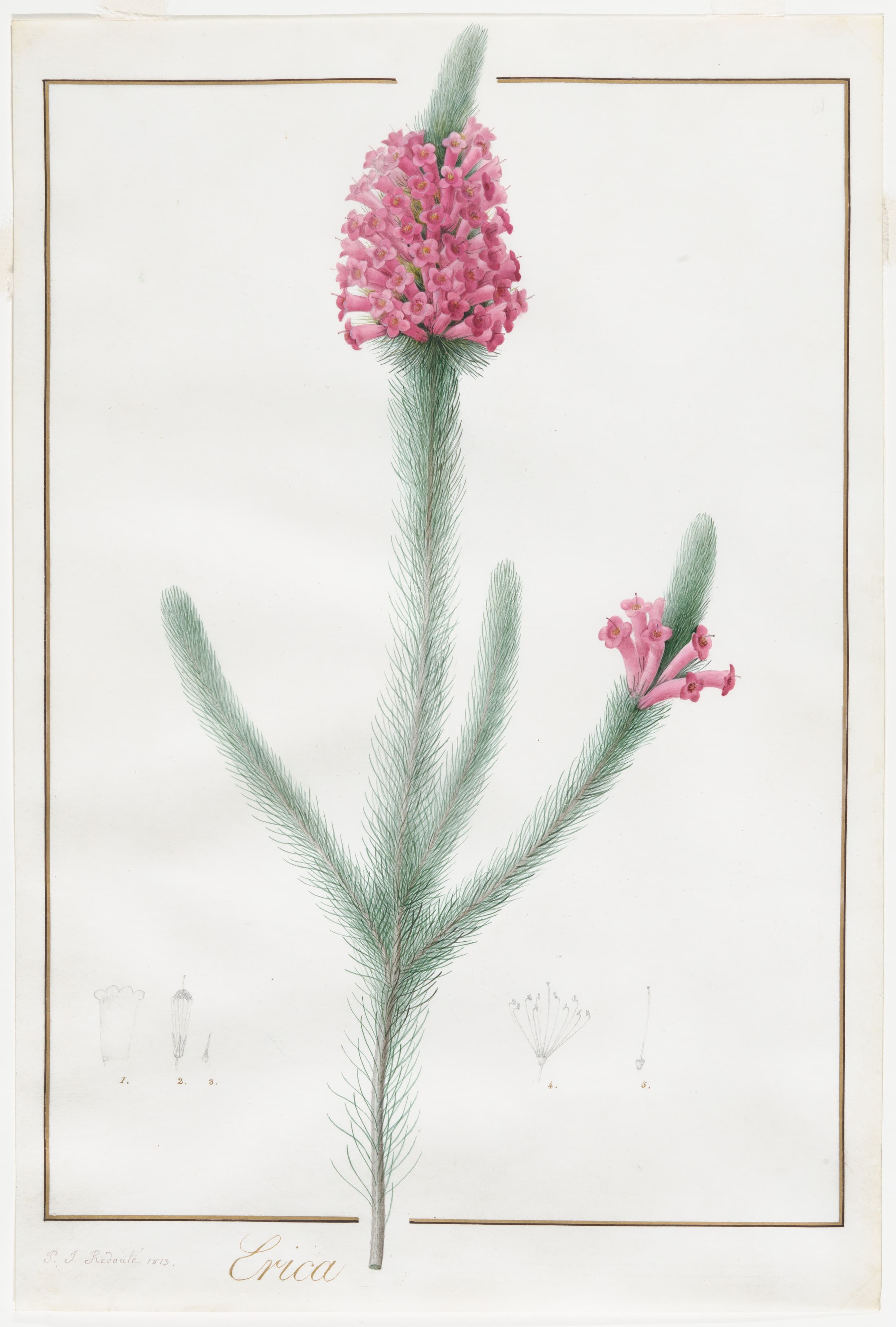
Erica Fulgida
A single heath blossom, painted with an empress’s patience.
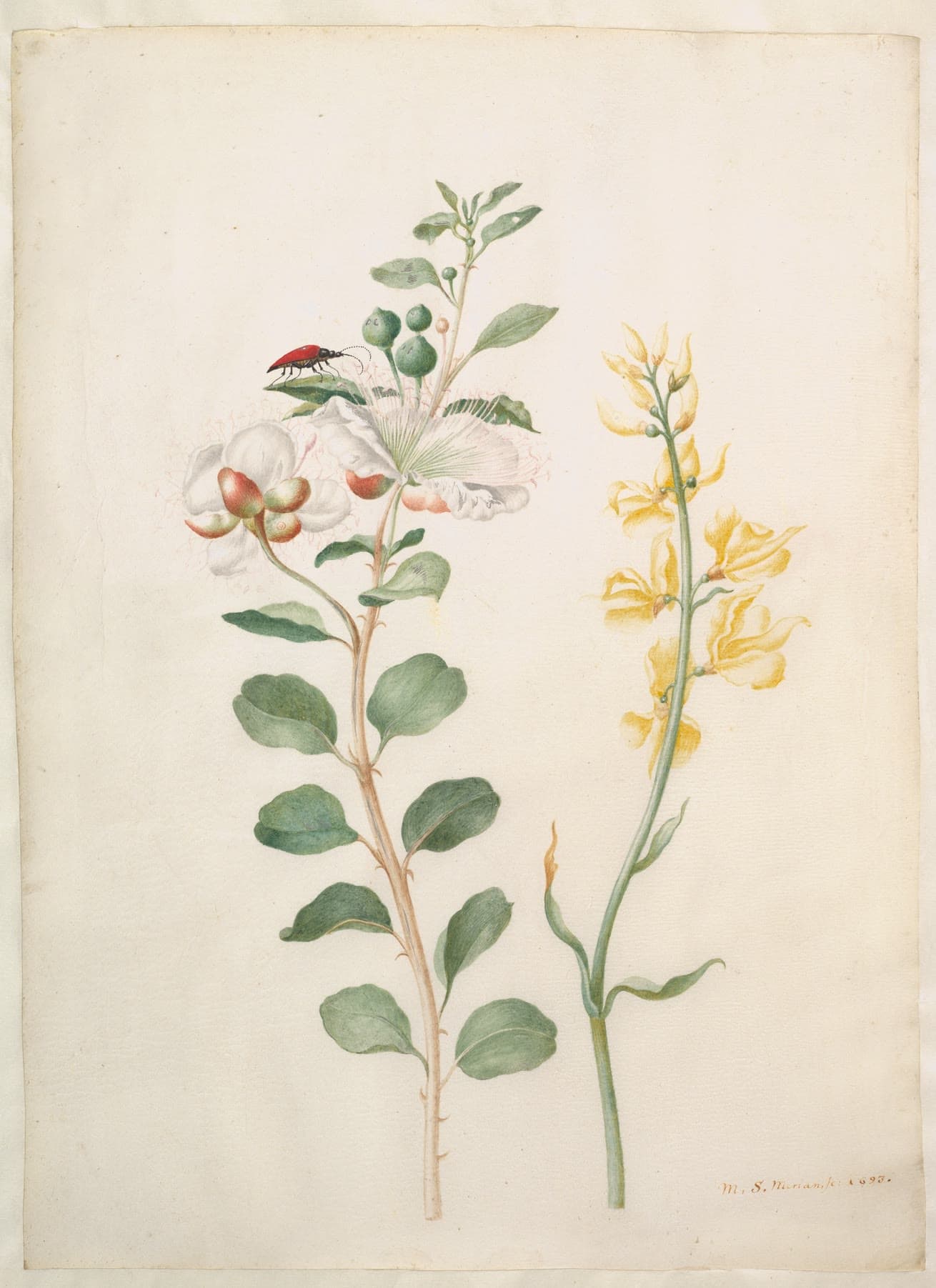
Study of Capers, Gorse, and a Beetle
Plant and insect, observed together, a century before Linnaeus.
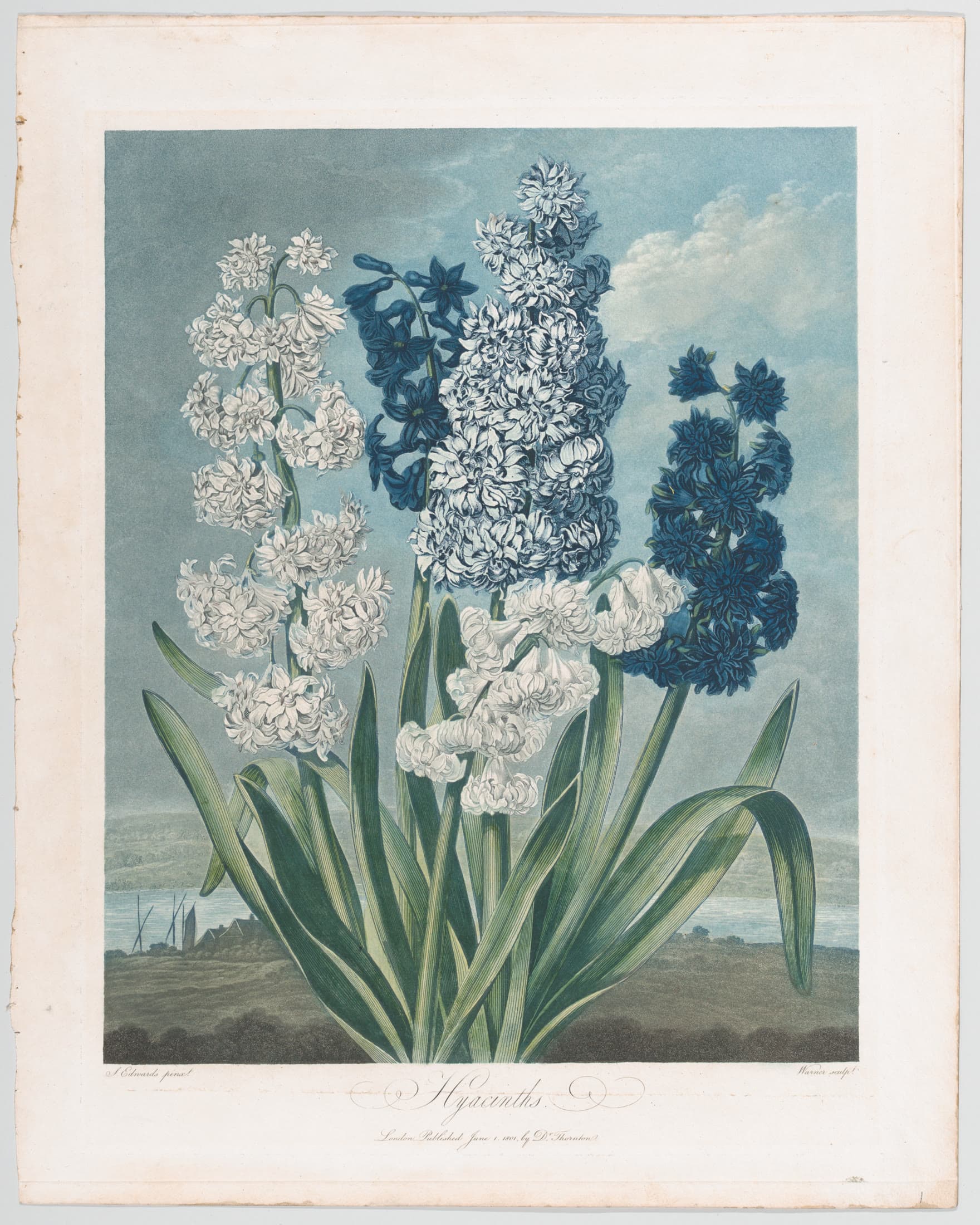
Hyacinths
From The Temple of Flora — flowers staged like Romantic landscape painting.
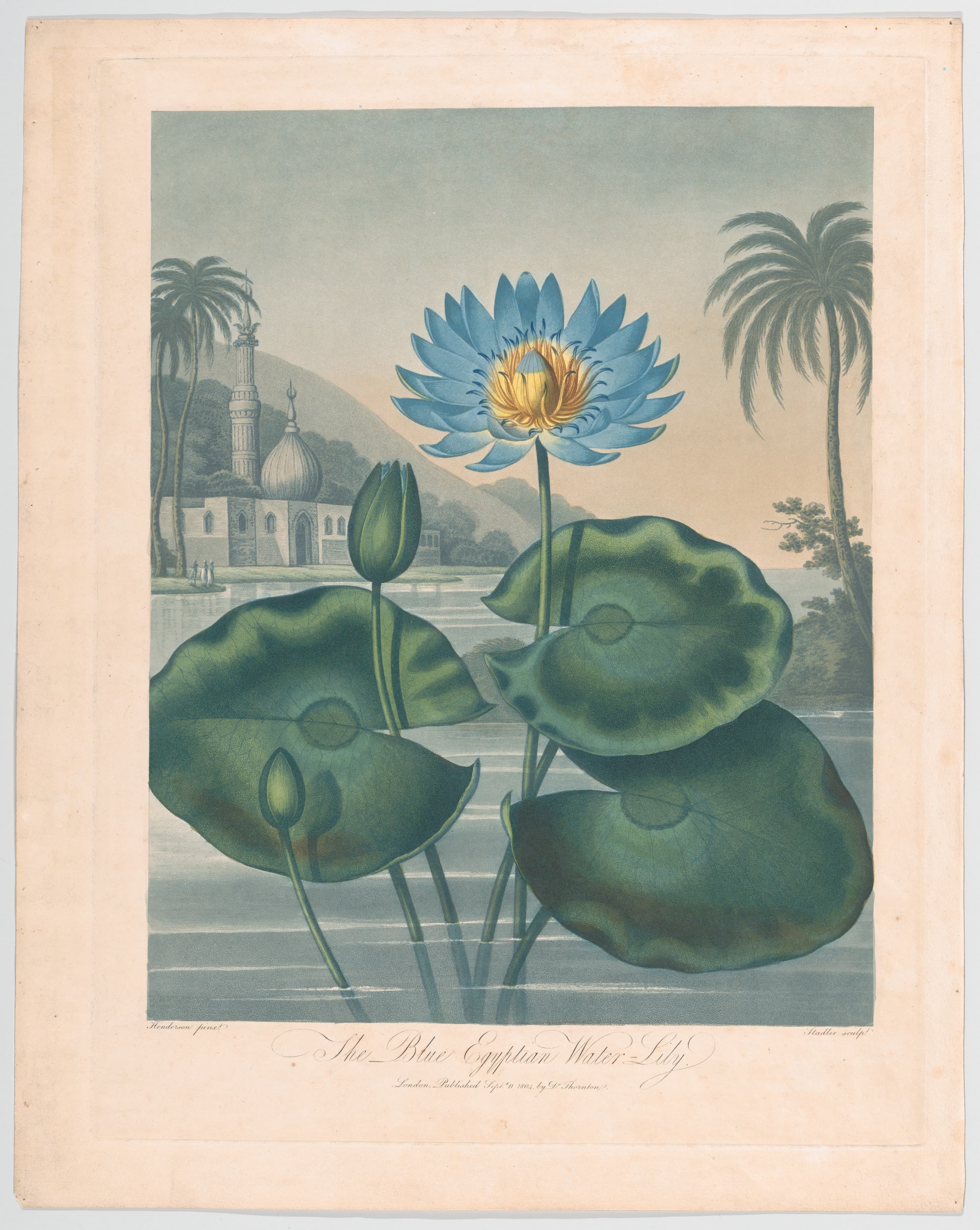
The Blue Egyptian Water Lily
From The Temple of Flora — a lotus staged like a landscape painting.
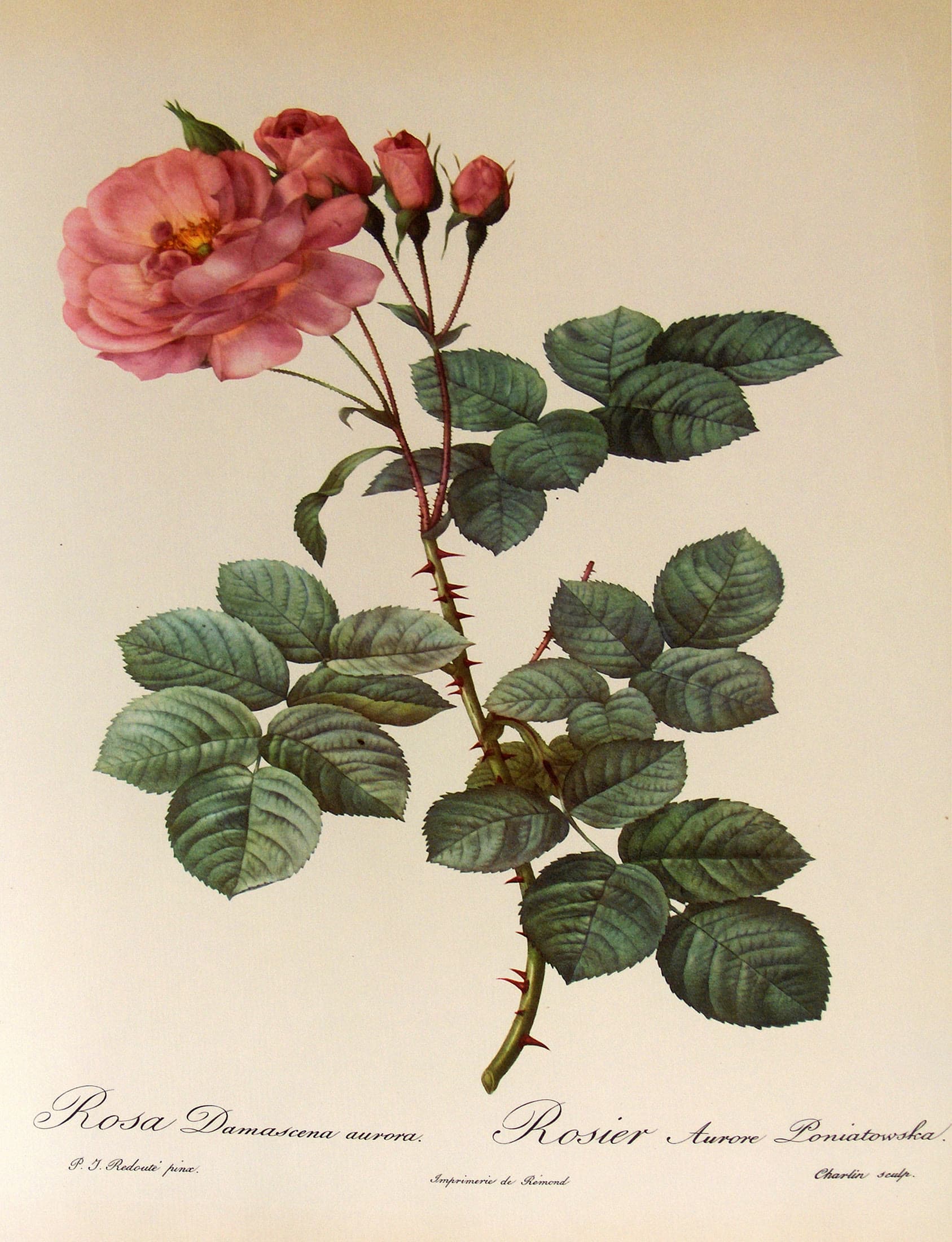
Rosa Damascena Aurora
A damask rose from Redouté's Les Roses — the flower that outlived an empire.
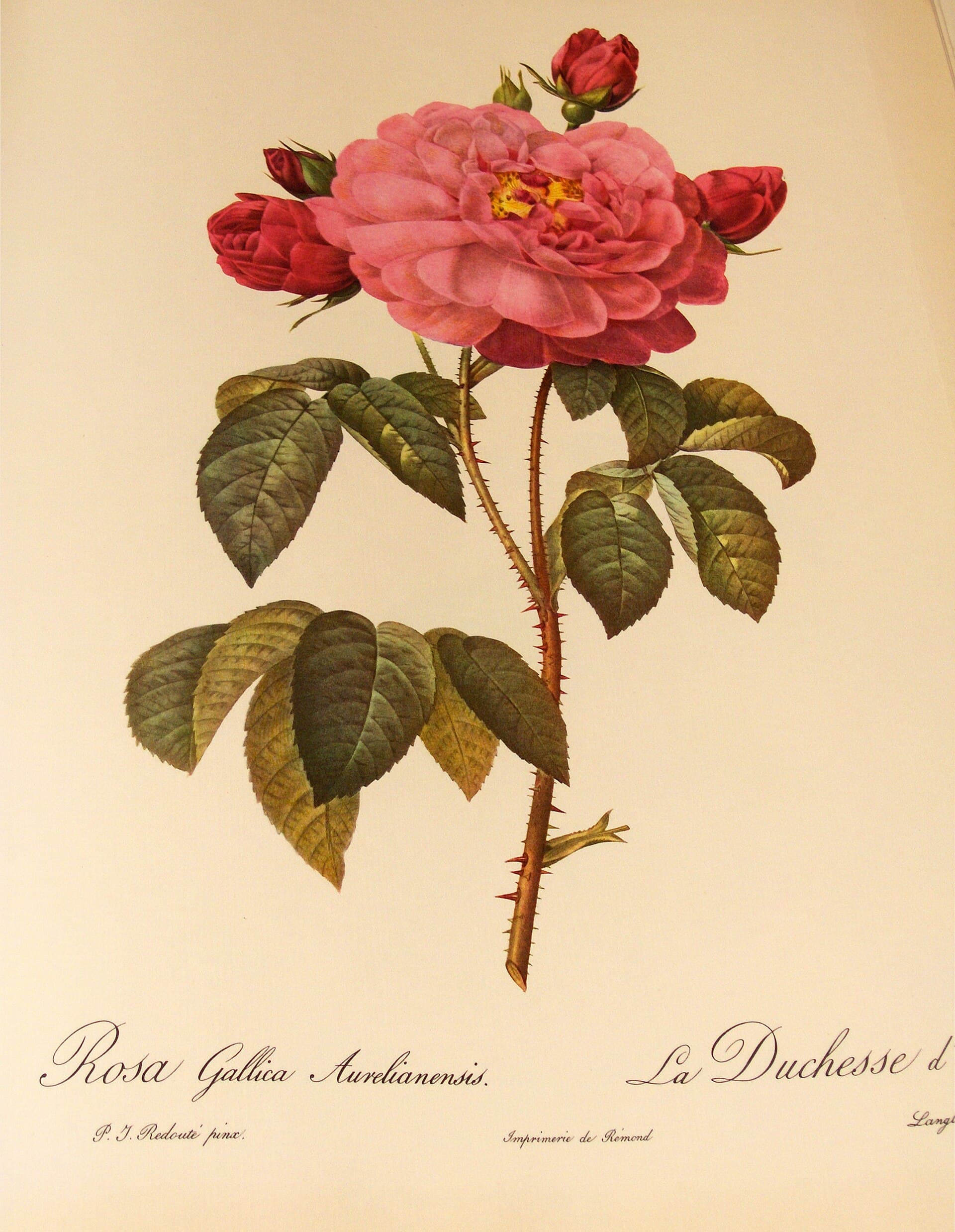
Rosa Gallica Aurelianensis
A French rose from Redouté's Les Roses, the definitive rose portrait book.
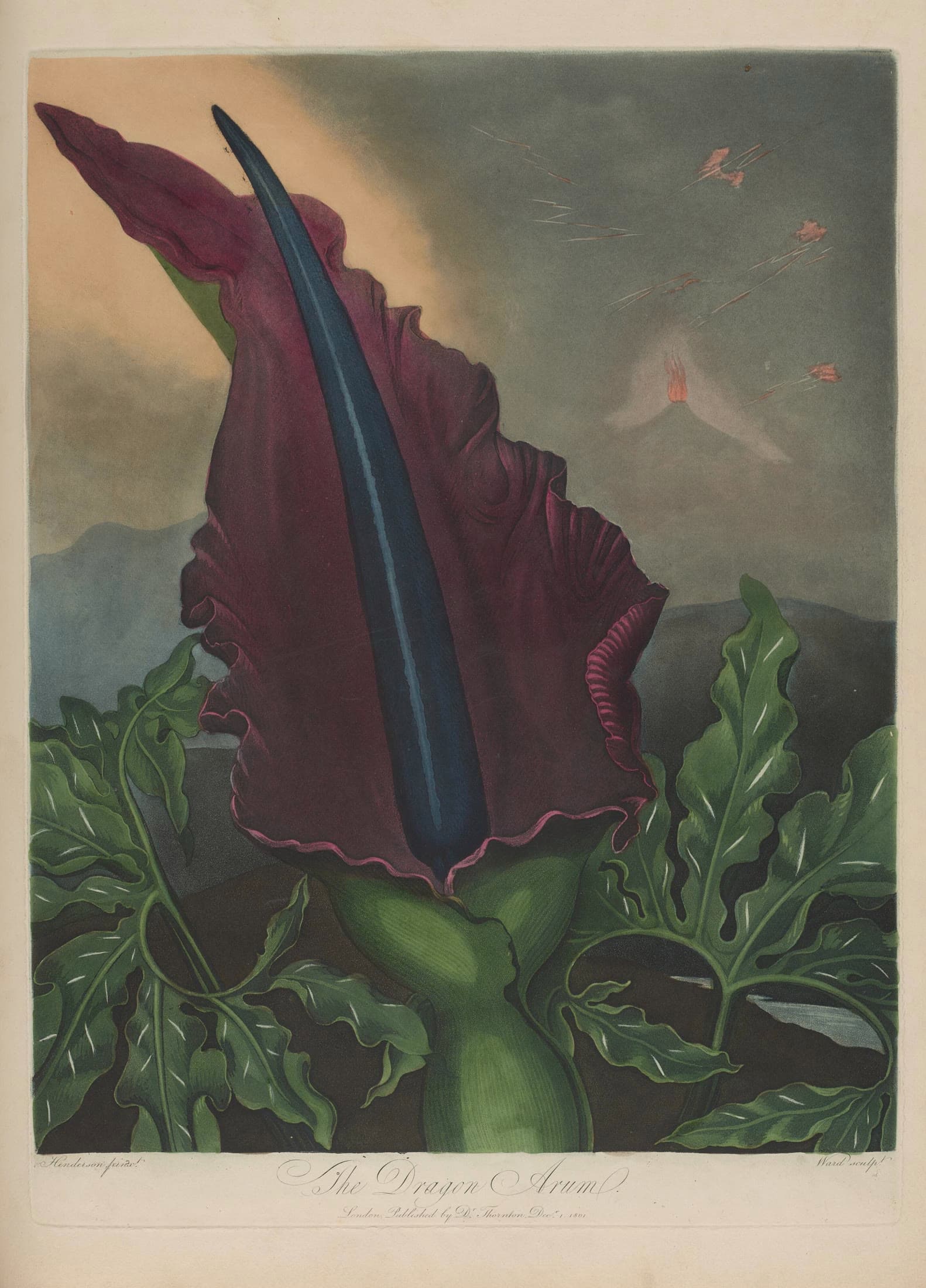
The Dragon Arum
From The Temple of Flora — the strangest, most theatrical plate Thornton ever staged.
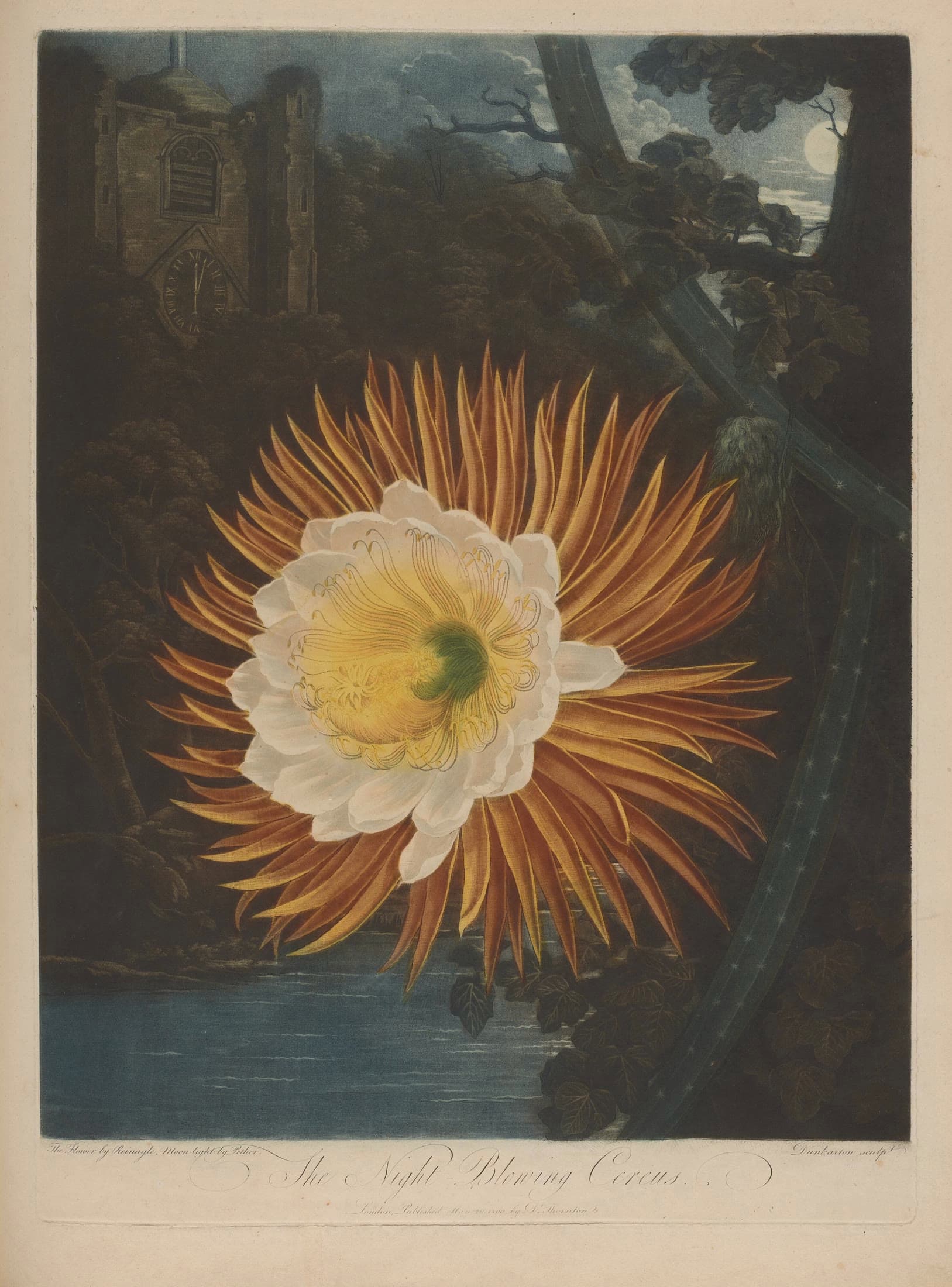
The Night-Blowing Cereus
From The Temple of Flora — a flower that opens once, after dark, and is gone by morning.
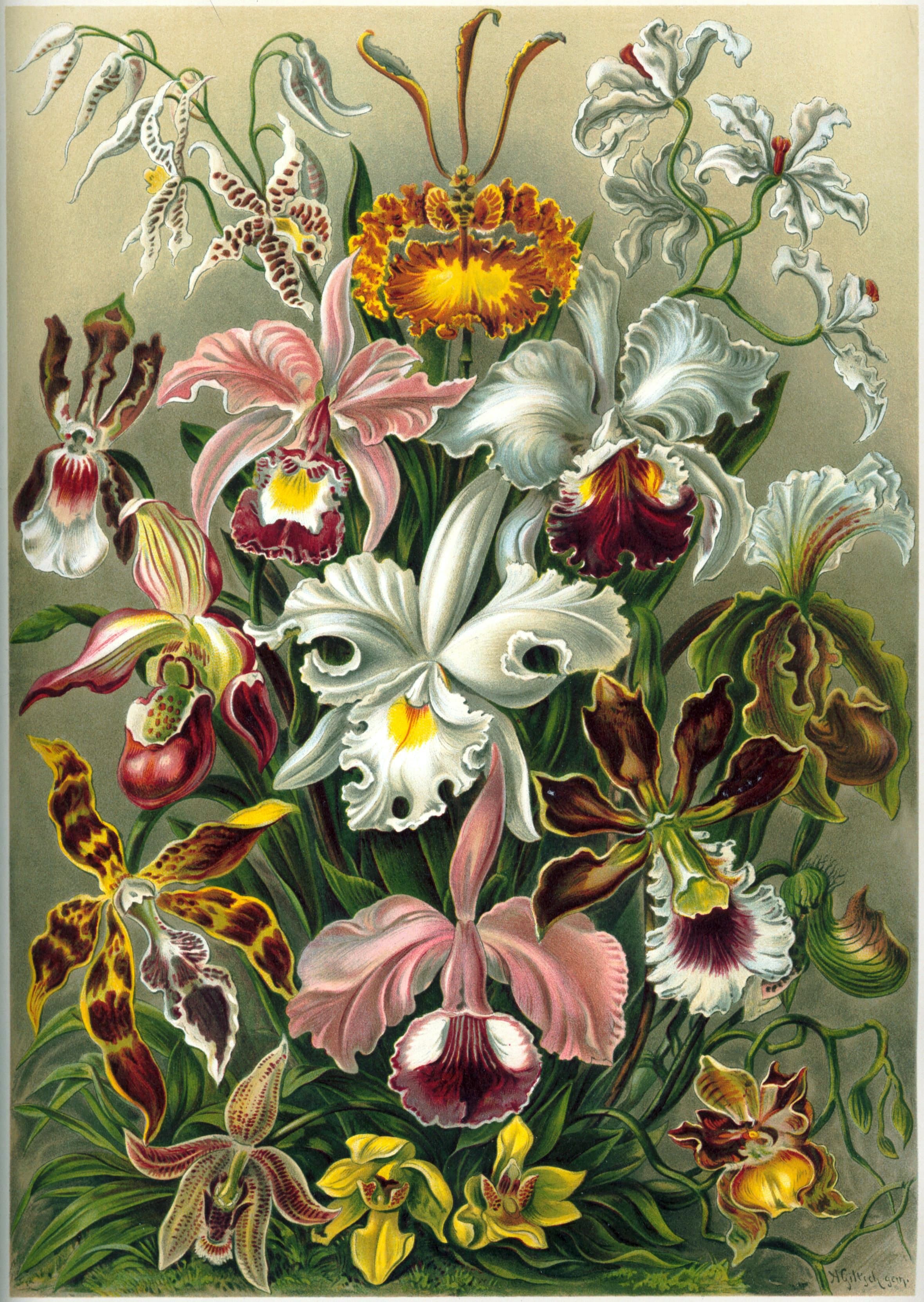
Orchidae
From Haeckel's Kunstformen der Natur — orchids drawn as living geometry.
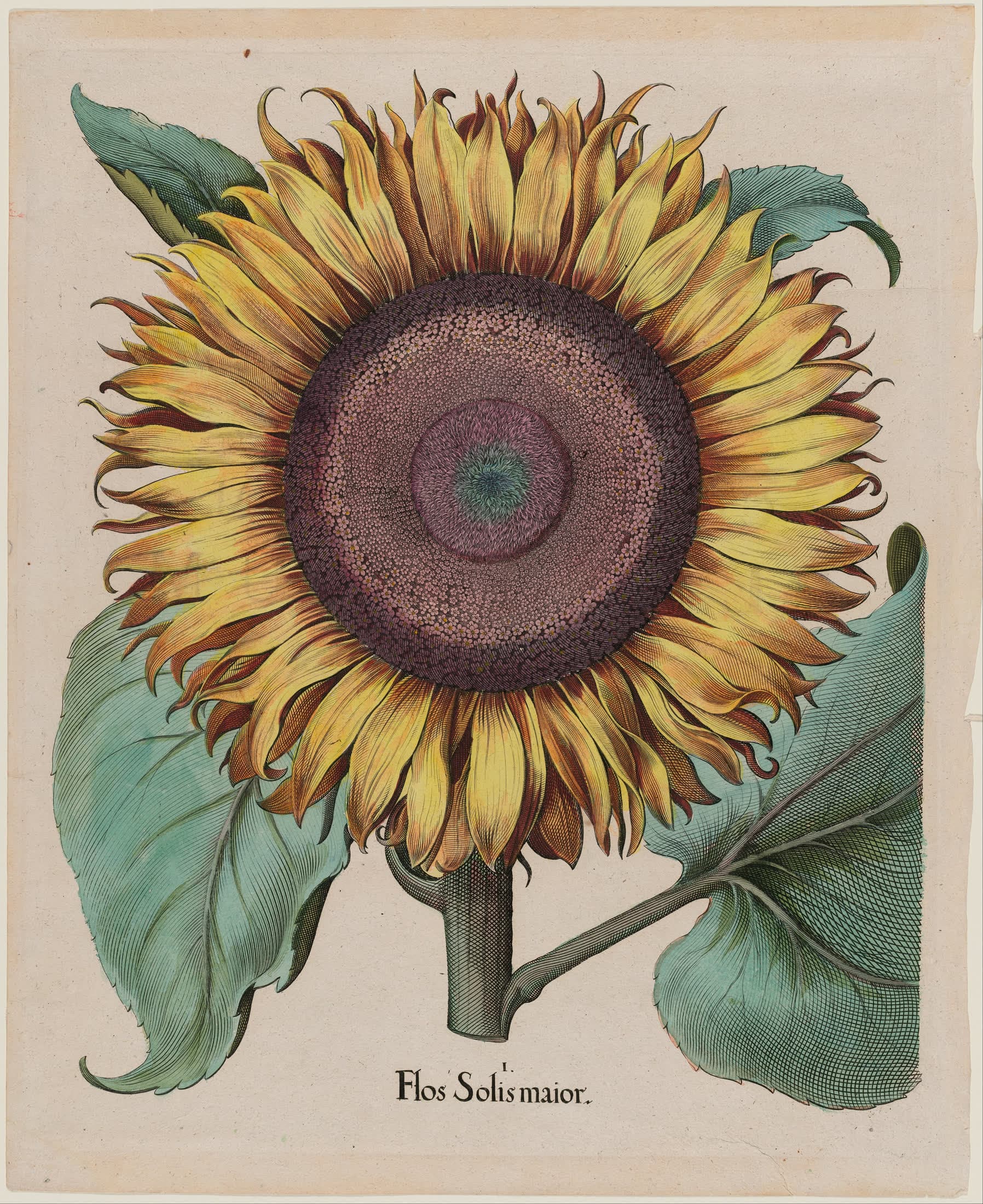
The Large Sunflower
A New World import, drawn life-size for a prince-bishop’s garden catalog.
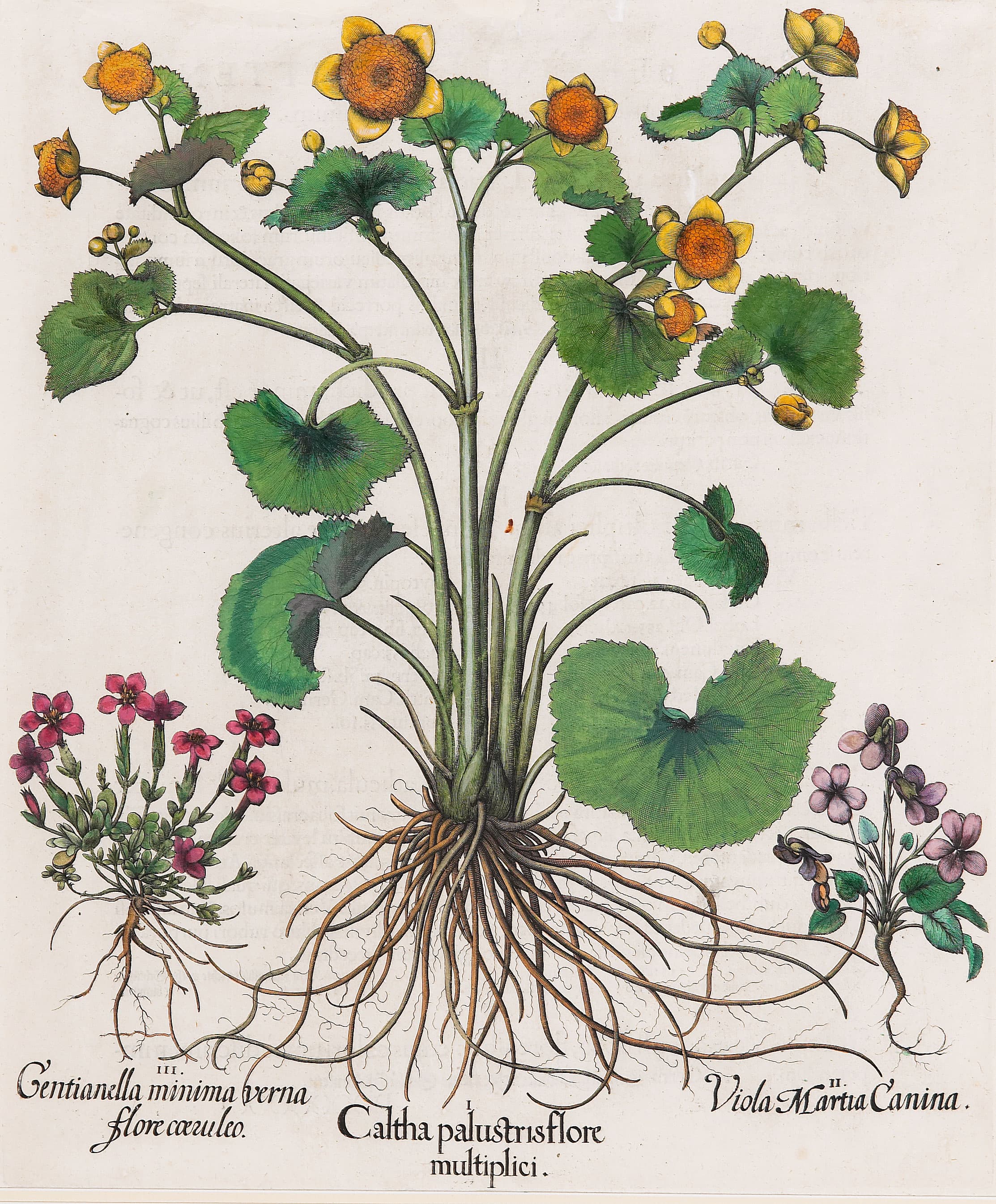
Marsh Marigold, with Companions
Three spring bloomers from the same page of a prince-bishop’s garden book.
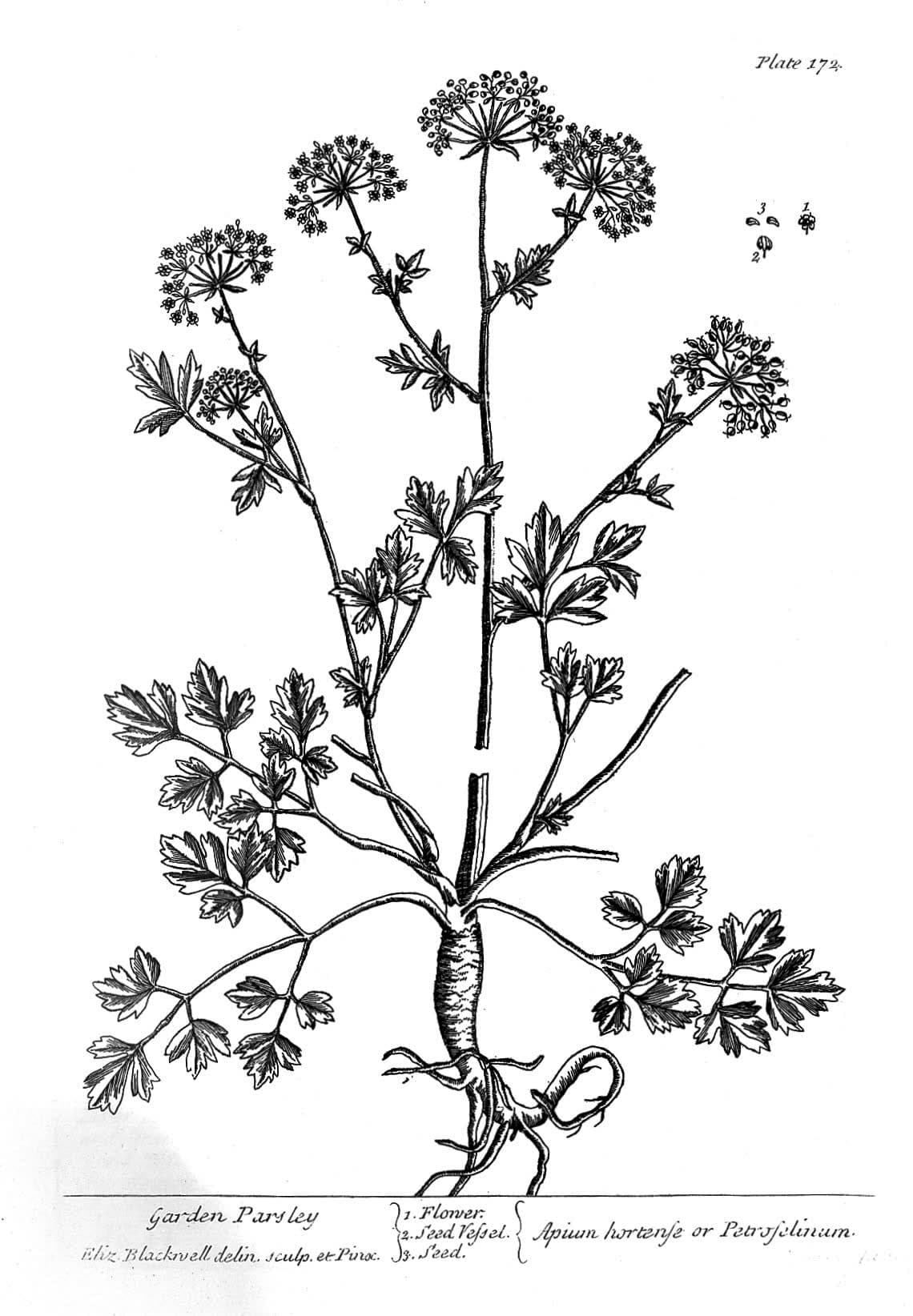
Garden Parsley
A prison-break, drawn one plant at a time.
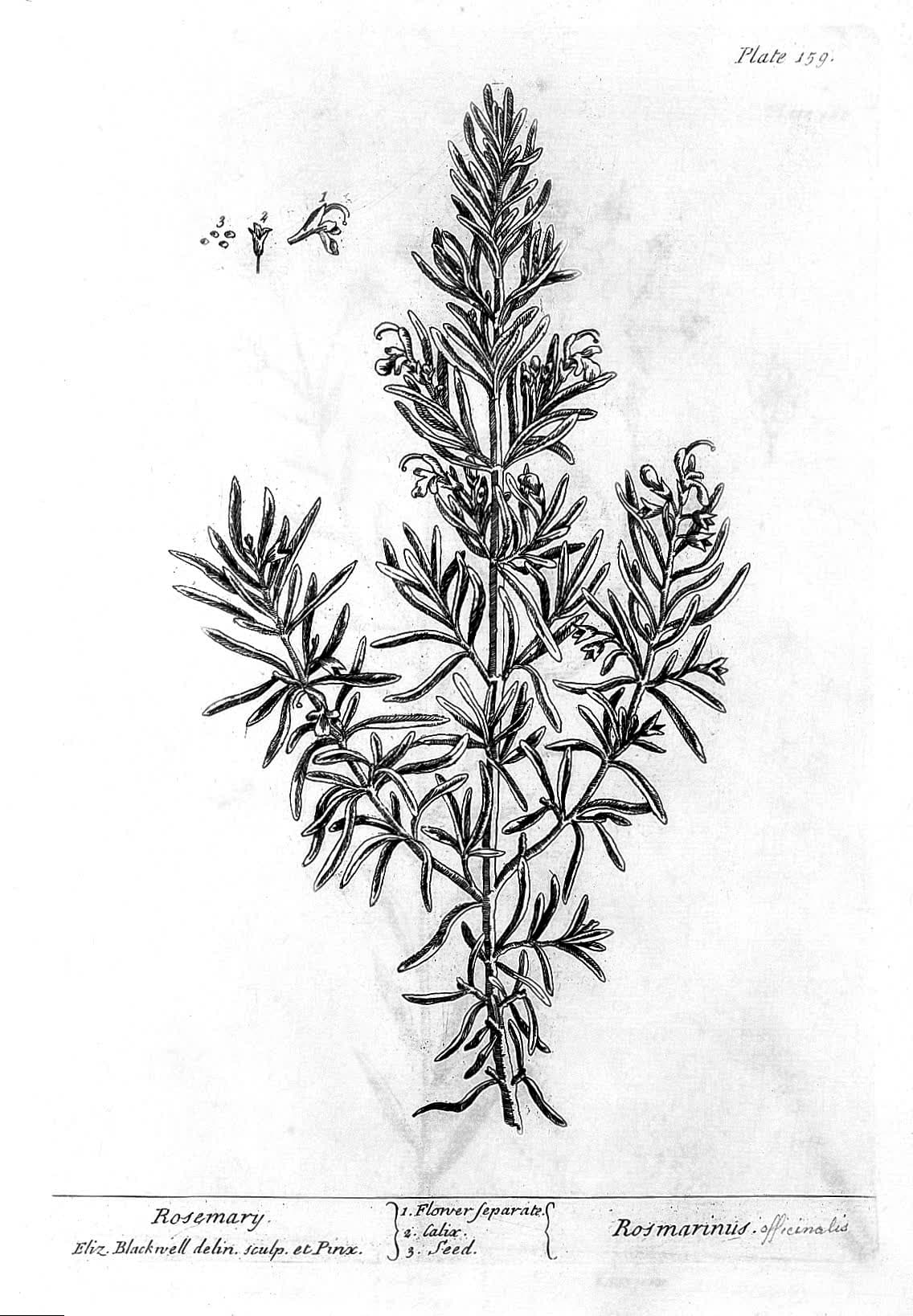
Rosemary
A working apothecary’s reference, drawn by the woman who financed her husband’s freedom with it.
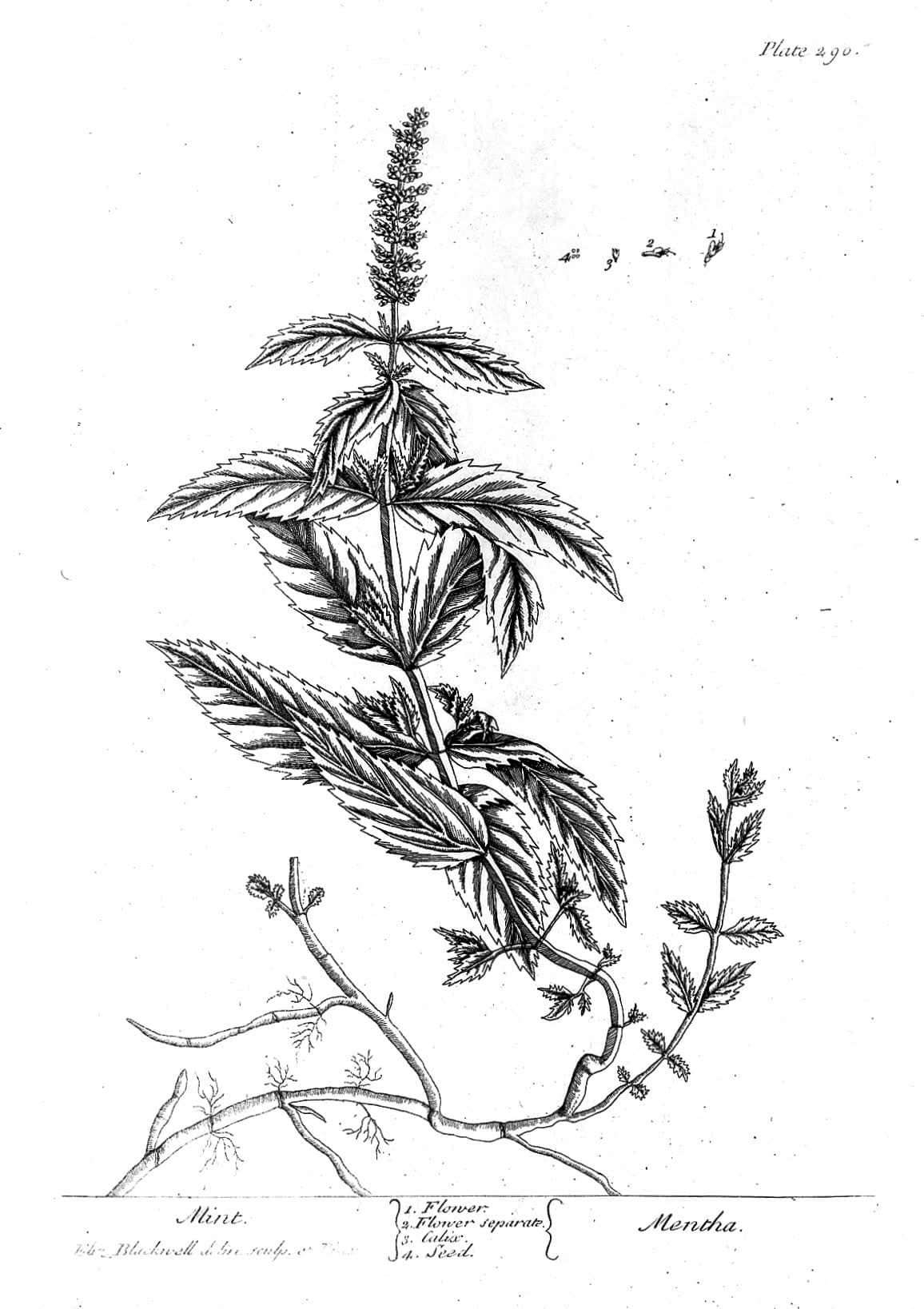
Mint
The third herb from a book drawn to buy a man out of debtors’ prison.
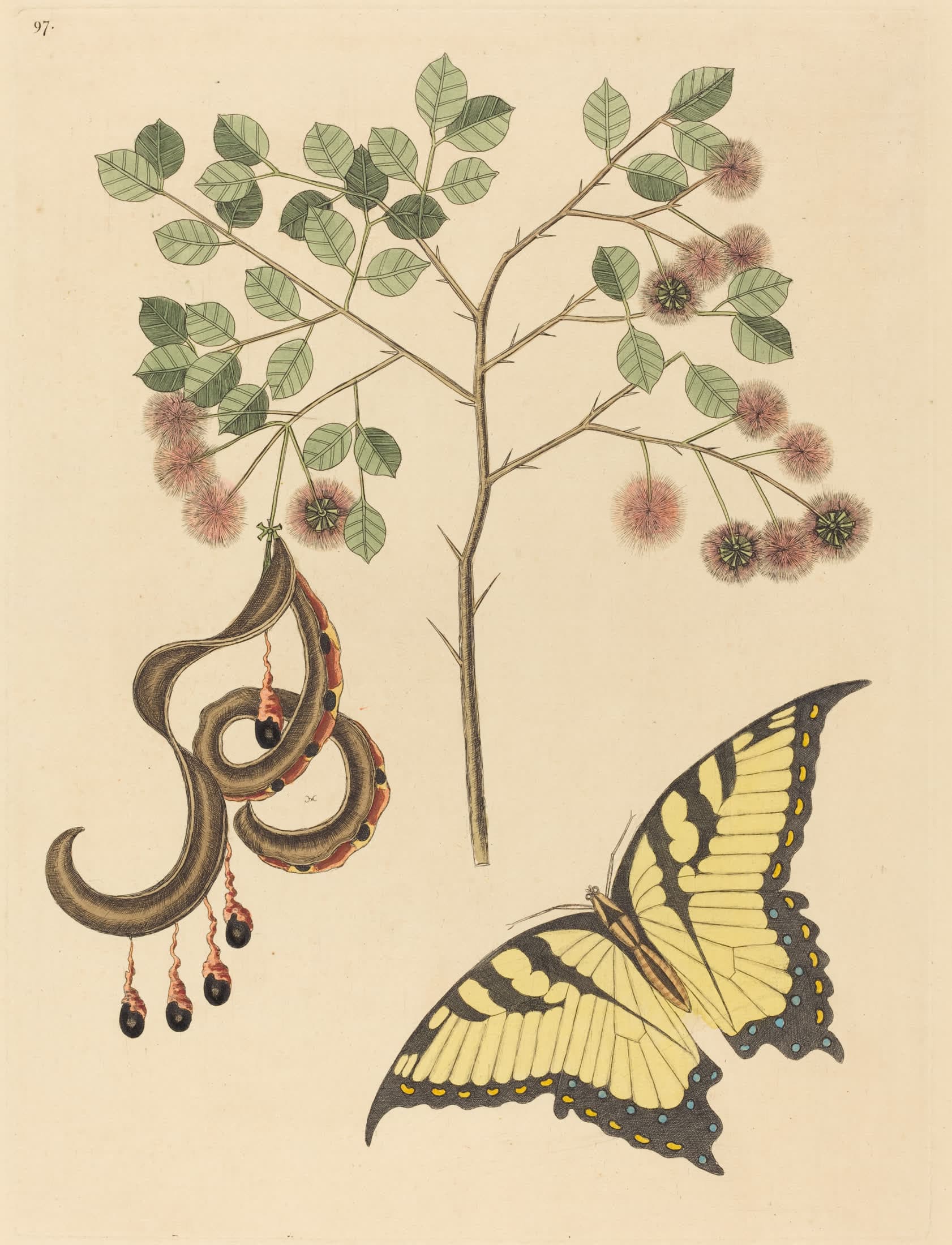
Cat’s Claw, with a Swallowtail
Plant and butterfly, paired the way Catesby paired every specimen in his book.
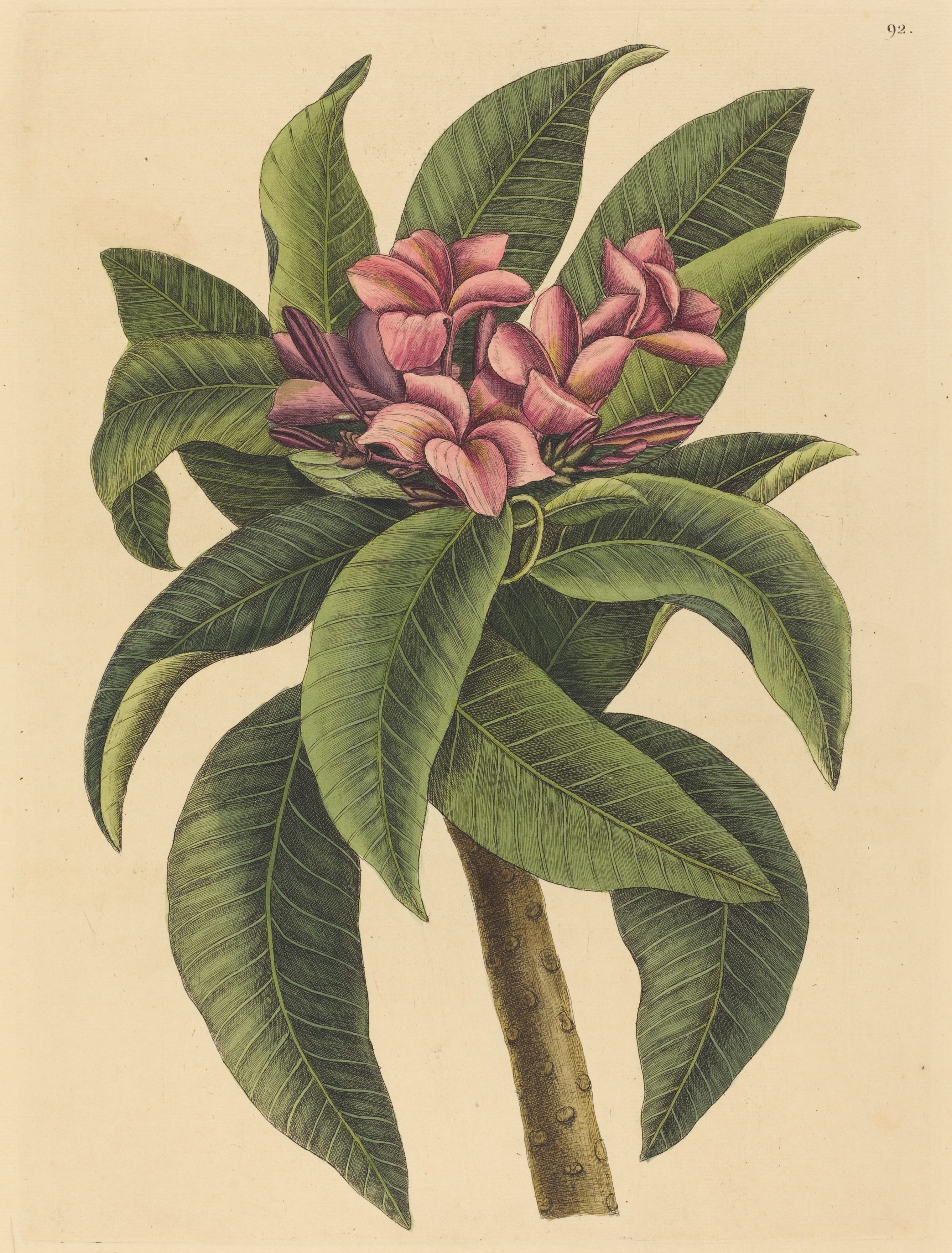
The Red Frangipani
A Caribbean bloom, recorded by the first naturalist to survey the colonial South.